
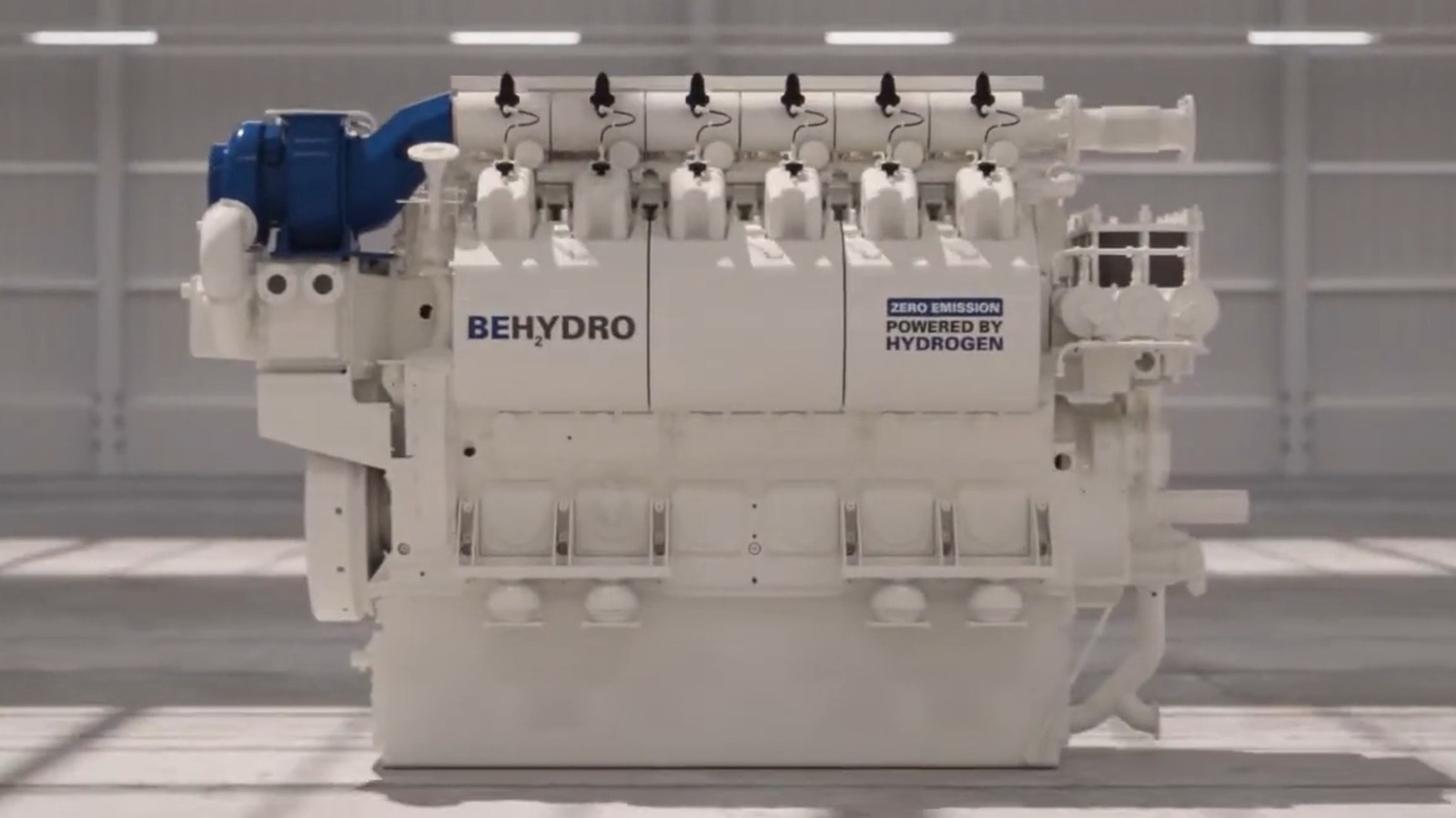
Ship propulsion just hit a headline moment: engineers have pushed a 100 percent hydrogen engine through a key milestone that nudges it closer to real-world service, and that progress could reshape how commercial vessels think about fuel. This development is all about swapping carbon for hydrogen while keeping the power and reliability shipowners expect. The focus now turns to testing, certification, and whether ports and suppliers can keep up.
The milestone itself was a full-scale demonstration showing the engine can run on pure hydrogen under sustained load, with engineers reporting steady performance and controllable combustion. That kind of bench or sea-trial success is the jump from theory to practice, the point where prototypes stop being laboratory curiosities and start behaving like marine workhorses. It does not mean mass adoption tomorrow, but it’s the sort of step investors and regulators watch closely.
Hydrogen brings big environmental upside at the point of use because it emits no carbon dioxide when burned, but the technical picture is complex. Handling a light, leaky gas at the pressures or cryogenic temperatures needed for marine storage requires new tanks, safety regimes, and materials that tolerate embrittlement. Engineers also have to manage nitrogen oxides and design engines that stay efficient across the messy realities of ocean service.
For ship operators, the appeal is clear: a pathway to deep decarbonization without the massive operational changes that come with some alternative fuels. Yet swapping fuels is only part of the puzzle — ships need refueling networks, bunkering procedures, and crew training tailored to hydrogen. Ports will have to decide where to invest in bunkering infrastructure, and early movers could gain a competitive edge on green cargo contracts.
Regulators and classification societies will play a decisive role in turning successful demonstrations into everyday reality. Certification processes are already evolving to cover hydrogen storage, fuel systems, and firefighting protocols, and class approvals will make insurers and lenders comfortable financing conversions or new builds. That regulatory momentum has to keep pace with the technology without lowering safety standards.
Economic questions remain loud and clear: green hydrogen is still pricier than fossil fuels, and supply chains are limited to a handful of production hubs today. Scaling up electrolyzers, renewable power for hydrogen production, and reliable shipping or pipelining of hydrogen will take time and capital. The most likely early use cases will be short sea routes and niche vessels where the carbon premium can be justified by regulation or customer demand.
Next steps are practical and immediate: more sea trials, partnerships between engine makers and ports, and pilot shipping routes that test fueling logistics under real schedules. If these pieces line up, hydrogen engines could move from headline milestones to quiet routines in the engine room, offering a new option for shipowners looking to cut emissions without sacrificing performance.
