
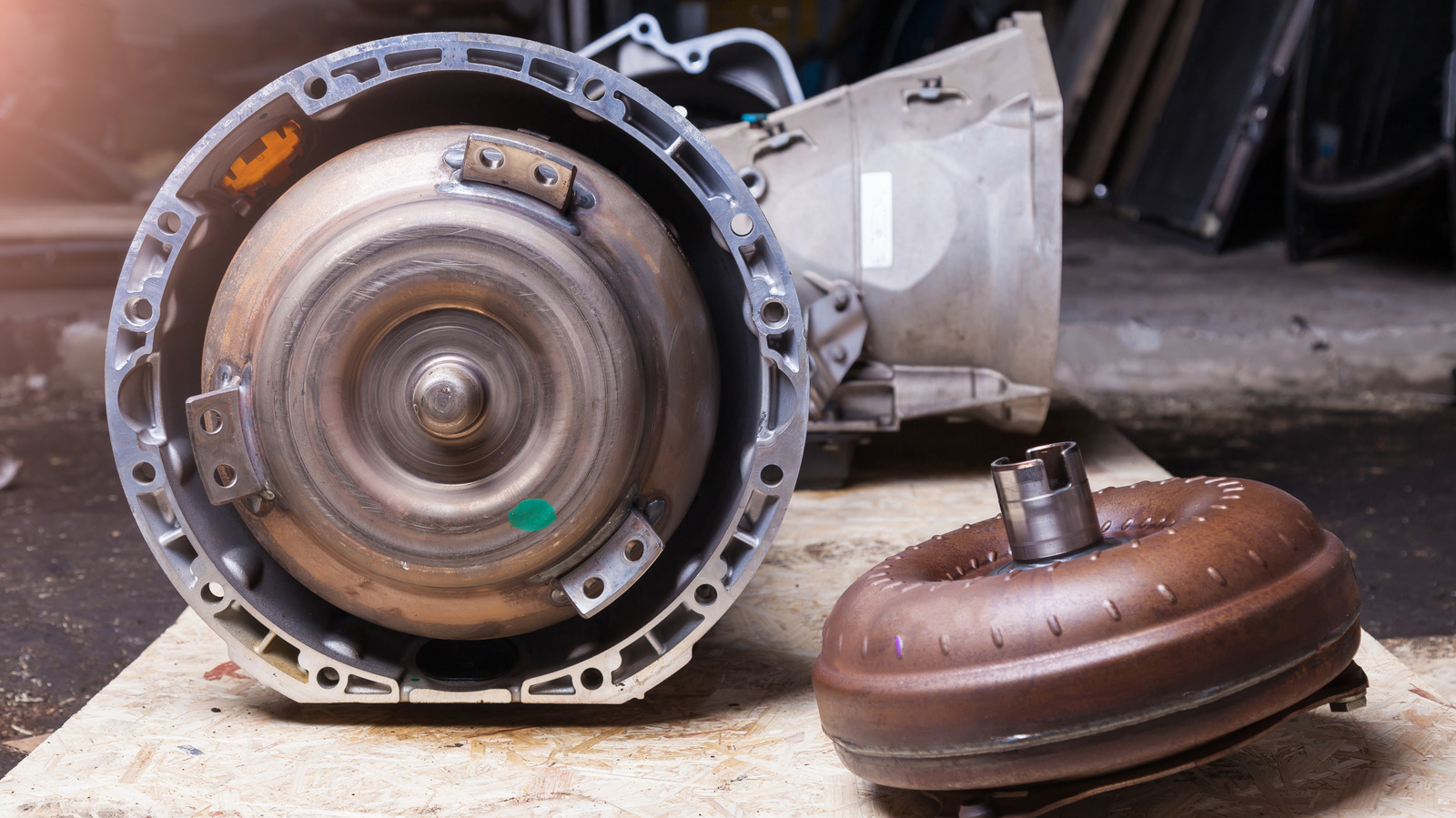
A torque converter sits between an automatic transmission and the engine, letting your car move smoothly without a clutch. This piece explains what a torque converter does, how its main parts work together, what goes wrong with them, and the practical steps drivers and mechanics use to keep a transmission healthy.
At its core, a torque converter transfers power from the engine to the transmission using transmission fluid instead of a clutch plate. It allows the engine to keep running while the car is stopped and provides a multiplying effect at low speeds for stronger initial acceleration. Inside, three main components move fluid and torque around in a controlled flow.
The impeller, or pump, is bolted to the engine and pushes transmission fluid outward with centrifugal force. That fluid then hits the turbine, which is connected to the transmission input and spins the gears forward. Between them sits the stator, a clever vane assembly that redirects returning fluid to boost efficiency and increase torque under load.
Fluid dynamics are what make a torque converter behave like a smooth coupler instead of a rigid link. When the engine revs, the impeller accelerates the fluid; that flow carries energy to the turbine and moves the vehicle. At cruising speeds the lockup clutch engages to create a direct drive, eliminating slippage and improving fuel economy.
Common symptoms of torque converter trouble are often mistaken for other transmission issues, but a few signs stand out. You might notice shuddering during acceleration, slipping where the engine revs but the car hesitates to move, or overheating and burnt transmission fluid smell. A failing lockup clutch or contaminated fluid will usually show itself in one of these ways before total failure.
Diagnosing a torque converter problem starts with fluid inspection and a road test while observing engine and transmission behavior. Mechanics also check transmission pressure and examine the lockup clutch operation. In many cases a torque converter replacement is necessary once internal vanes or the clutch assembly are damaged beyond repair.
Maintenance is straightforward and pays off: regular transmission fluid changes and proper cooling keep the torque converter and transmission parts working longer. Clean fluid reduces wear and keeps valves and clutches operating as designed. If a vehicle tows heavy loads or spends a lot of time in stop and go traffic, more frequent service is a smart move.
When replacement is required, costs vary with vehicle make and model but generally include the converter itself plus labor for dropping the transmission. Using a quality remanufactured unit and fresh transmission fluid is a practical way to balance cost and reliability. A properly installed torque converter will restore smooth engagement and help prevent further transmission damage.
Understanding the torque converter helps you read warning signs early and avoid bigger expenses later. It is a fluid-based coupling that multiplies torque at low speeds and locks up for efficiency at high speeds. Keeping fluid clean and addressing slipping or shuddering quickly will protect both the converter and the transmission for the long run.
