
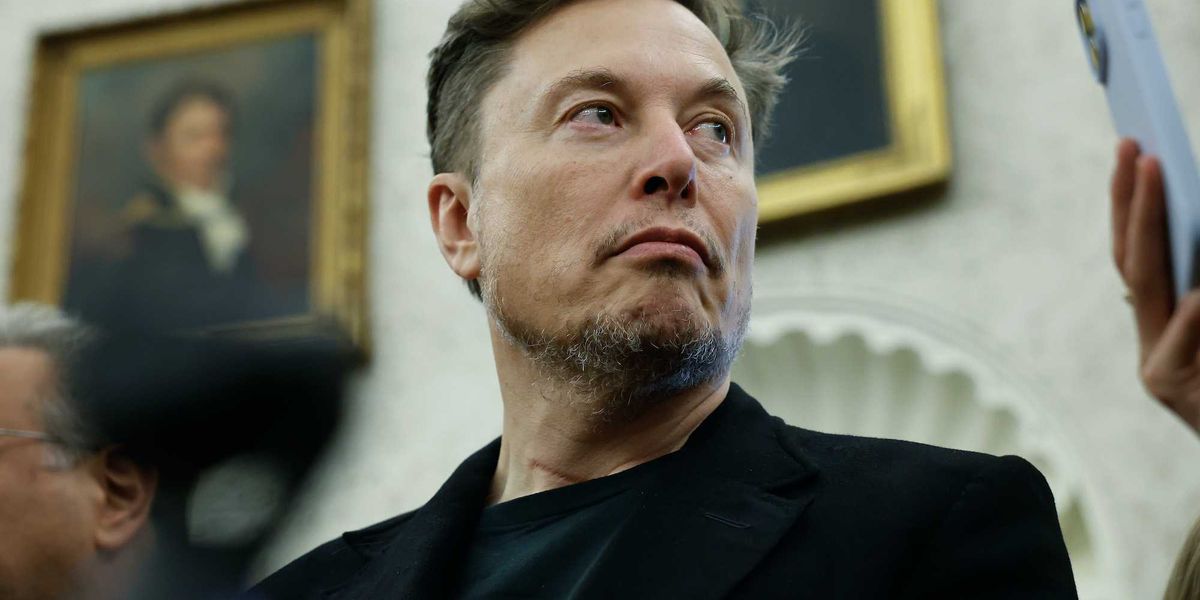
Elon Musk is pushing back hard after Rep. Ro Khanna suggested cuts overseen by Musk’s short-lived Department of Government Efficiency might have led to mass child deaths, and the back-and-forth is now a loud fight about responsibility, political theater, and whether efficiency reforms were ever really harmful.
Musk, who briefly ran the Department of Government Efficiency and then returned to his companies, says he slashed wasteful foreign aid spending that amounted to fraud and abuse. From a Republican angle, those moves were about getting value for taxpayer dollars, not punishing vulnerable people. The row erupted when Khanna framed those cuts as potentially deadly, claiming large numbers of child deaths could result by 2030.
https://x.com/elonmusk/status/2069083221300576664
‘The richest man in the world announced that he plans to sue me and called for my arrest. I will not be intimidated.’
Critics seized on a study and turned it into a campaign weapon, using worst-case scenarios to argue for higher taxes and bigger federal programs. Republicans see that as classic progressive politics: stoke fear, demand money, and centralize more control. Musk fired back, saying the claims are lies and that he will pursue legal action to clear his name.
Musk pushed consistency on procedure, insisting DOGE required basic recipient contact info to confirm payments weren’t going to fraud. He also emphasized that legitimate medical or lifesaving aid continued under other state-run channels. That defense undercuts the accusation that his brief tenure caused broad, preventable harm.
All DOGE required was contact information of the recipients to confirm that funding was not fraudulent. No validated medical funding was stopped.
Anything that appeared to be legitimate lifesaving funding continued and is now administered by the State Department.
If anyone had actually died as a result of DOGE, their names would be worldwide headline news!
Khanna, meanwhile, has suggested Musk should be subpoenaed if Democrats pick up seats and regain leverage in Congress. He framed the request as accountability for policy that allegedly cost lives, and he tied it to a broader push for taxing the wealthy to fund social programs. From the Republican side, that kind of linkage looks opportunistic and politically motivated.
Musk has not only denied the allegation but also publicly urged investigations into Khanna’s conduct, pointing to insider-trading accusations as part of his counterattack. The interplay has a theater quality to it: tweets and statements traded like punches, with each side calling for arrests and subpoenas. It’s loud, messy, and very public.
Observers on the right argue the real issue is whether government programs were actually delivering results before DOGE cut the waste. Republicans point out countless examples where oversight was sorely lacking and where billions disappeared into opaque contracts and ghost recipients. For them, cleaning house was overdue and the proper response is stronger verification, not recriminations aimed at executives who tried to fix the mess.
The timing of the feud made it worse. Musk hit trillionaire status after a boom in SpaceX valuation, which intensified attacks on his wealth and motives. Progressives seized on that number as evidence that more punitive taxes are needed, while conservatives warned that demonizing private success chills innovation and entrepreneurship. The debate about taxing billionaires became tightly bound to personal attacks against Musk.
Musk’s defenders shrug off the worst-case death tallies as speculative and politically convenient. They note that any real, documented fatalities would have been impossible to hide and would have dominated headlines worldwide. That practical point is meant to shift the argument back to facts rather than projections and to keep the focus on fixing aid delivery instead of scoring political points.
At its core, this fight is about trust — in government processes, in accountability, and in whether dramatic claims are backed by concrete evidence. Republicans inclined to favor efficiency over expansion see Musk as a scapegoat for systemic breakdowns, while Democrats like Khanna see an opening to rally voters for bigger spending and regulatory purges. Either way, the clash shows how quickly policy disagreements can turn into personal, high-stakes political warfare.
Musk also previously praised Khanna as “great” in December 2022 during a free-speech debate, which makes the current animosity feel less like ideological distance and more like a sharp personal falling out. The episode will keep unfolding in public, with subpoenas, lawsuits, and political messaging shaping the next chapter.
