
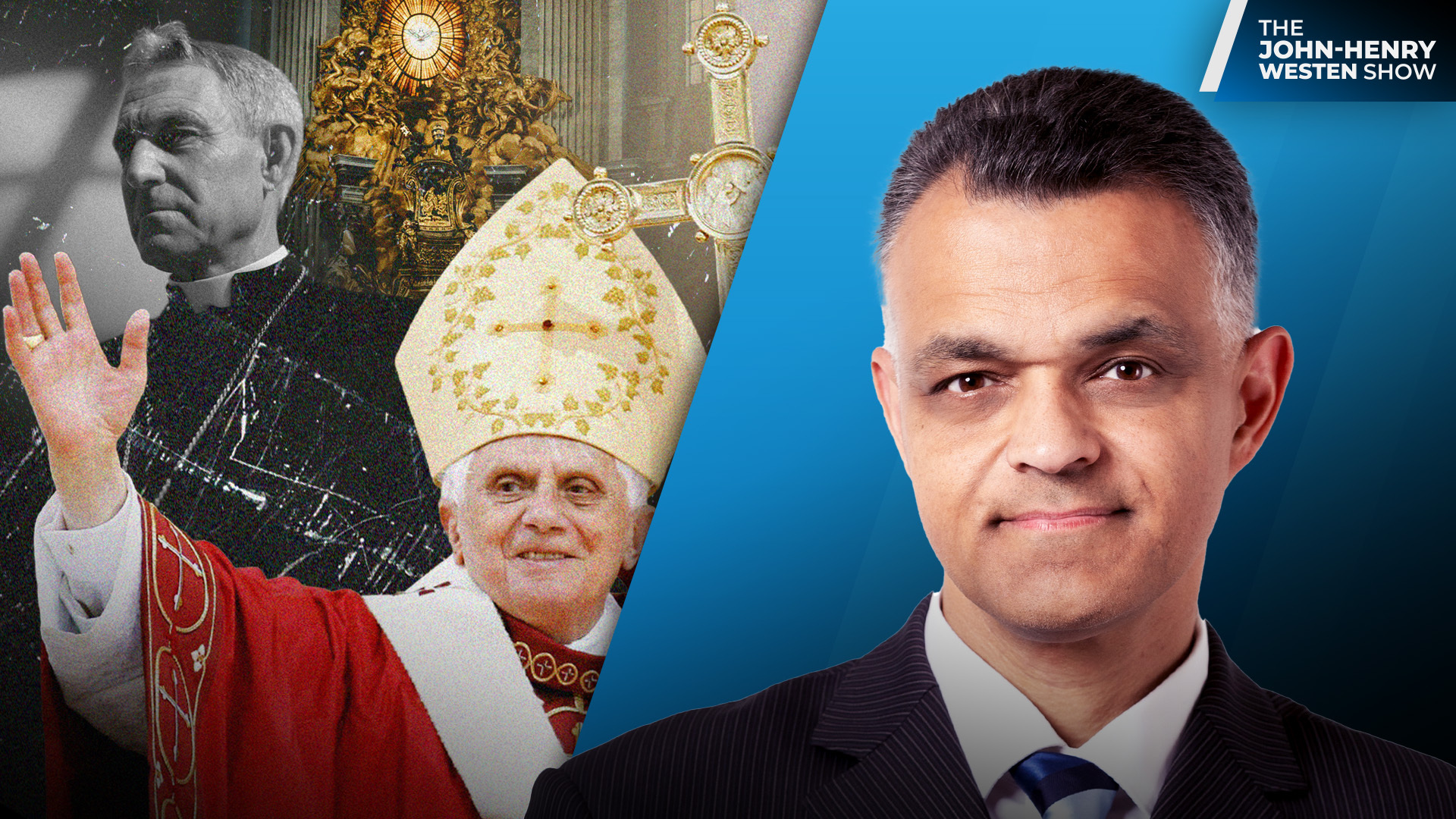
In 2013 Pope Benedict XVI announced he was stepping away, but the exact Latin in his declaration has kept the question alive: did he actually resign the papal office or merely the active exercise of it? This piece looks at the linguistic split between ministerium and munus, why canon lawyers care, and what the unresolved ambiguity could mean for the Church’s governance. It lays out the arguments without taking dramatic leaps and points to what kind of clarification would matter most moving forward.
Pope Benedict’s act of stepping down was striking because modern popes rarely do it. The statement he issued used Latin terms that matter in canon law circles: he renounced the ministerium, the active exercise of governance. That precise choice of words set off a long-running debate among scholars and lawyers about whether the papal munus, the office itself, was actually laid down.
At the heart of the matter is a technical but meaningful distinction. Ministerium refers to the exercise of duties and governance, the practical running of the See of Peter. Munus refers to the office, the spiritual and juridical charge of the papacy itself. If a resignation leaves the munus intact, some argue, then the person could in theory remain pope even if he no longer carries out the daily functions.
Canon law does not speak in slogans; it requires clarity and intent. Critics who worry about the validity of Benedict’s act point to the careful Latin phrasing and his mastery of ecclesial language. A man fluent in theological Latin is unlikely to make a slip that changes canonical standing, and that fuels questions about whether he truly intended to renounce the office or only the active governance role.
Other canonists answer this by emphasizing context and accepted practice. They note that Benedict’s declaration was publicly presented as a resignation and that the College of Cardinals proceeded to elect a successor in full confidence that the See was vacant. In that view, the renunciation of ministerium was sufficient because it was understood, in context, as a full relinquishing of papal authority.
The debate is not purely academic because it touches on the continuity of papal authority and the canonical legitimacy of subsequent acts. If a resignation were judged defective, questions would follow about the validity of decisions and appointments made by a successor. Those are heavy claims and they require rigorous legal proof, not conjecture, so canonists insist on careful, sober analysis before drawing drastic conclusions.
Calls for clarification have come from voices across the theological spectrum who want certainty for the faithful and for Church governance. A clear, authoritative statement—either confirming the validity of the 2013 act beyond doubt or explaining any remaining ambiguity—would settle the matter practically and prevent future disputes about similar cases. The Church’s legal machinery includes paths for interpretation and declaration that could be used if a concrete canonical question were formally raised.
For now the question remains alive because language matters in both theology and law, and because Benedict’s status sits at the intersection of personal humility and public office. Those who press the issue want a definitive, juridical answer; those who see no problem point to intention, reception, and the way institutions moved forward. Either way, clarity would help the Church avoid repeating a controversy born of words that carry more weight than they might seem to at first glance.
