
James Talarico is pitching a rough-and-tumble image, but fresh reports and withering commentary from conservative voices are undercutting that act. New details about his finances have turned what was meant to be a political persona into an opening for critics to question his judgment and independence. This piece lays out the revelations, the response from a prominent conservative host, and why those details matter to voters who prize accountability.
BlazeTV host Sara Gonzales says she’s not surprised by what’s unfolding, and her reaction is blunt and unforgiving. “James Talarico is like the biggest wuss you’ve ever seen in your life. And there’s more that’s coming out every day about just how pathetic he is, even though he’s trying to paint himself as this big masculine guy after he said that his campaign was vegan,” Gonzales says on “Sara Gonzales Unfiltered.” The line between performance and reality is getting thinner by the day.
Gonzales goes after the image overhaul with a mocking anecdote that underlines how manufactured it looks. “He was like, ‘I’m just kidding, I’m going to take a picture of me eating a giant turkey leg wearing a Texas flag on my shirt and look how manly I am,’” she mocks. That kind of stunt plays well on social media, but it won’t erase questions about real-world competence.
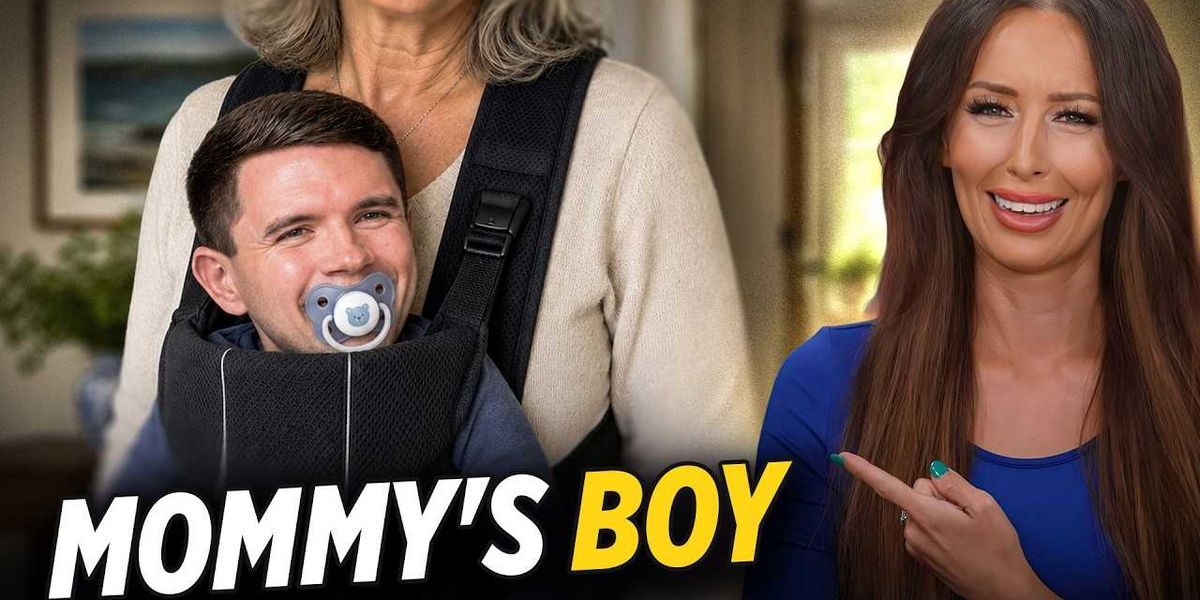
The financial revelations Gonzales is pointing to are sharp and specific, and they cut to the heart of how voters judge readiness. “Texas’ James Talarico, 37, shares his only checking account with his mommy,” she says, a line meant to sting because it clashes with the independent, self-reliant image Texans expect. Reports say, “Talarico’s mother and adoptive father contributed $1,437.84 to his 2021 campaign to cover ‘moving expenses’ when he was 32 years old.” That detail invites obvious questions about maturity and financial independence.
Gonzales frames the situation in plain, unvarnished terms that conservatives will find familiar. “32 years old. And he needs his mommy to run his bank account and send him money. That’s the guy who wants to help represent our entire state of Texas. He can’t even represent his own bank account,” Gonzales comments. It’s a direct attack on credibility, and it lands hard because voters often equate personal responsibility with the ability to govern.
She doubles down with a crisp line that drives the point home about standards for public office. “If you’re 32 and you still need money from your mommy who is running your bank account, you have no business running for office actually,” she adds. For many conservative voters, financial self-sufficiency isn’t optional, it’s proof of character, and these revelations make that proof look thin.
This isn’t just theater; it’s a political liability that opponents will exploit relentlessly. Voters want leaders who stand on their own two feet and manage their affairs without constant parental safety nets, especially when those leaders ask constituents to trust them with public money and public policy. Image stunts like turkey legs won’t fill that gap.
Beyond Talarico himself, this episode highlights a larger point about political optics and accountability. When politicians craft tough personas to win votes, they open themselves up to scrutiny over whether that toughness extends to daily life and responsibilities. Conservatives will argue that holding candidates to a higher standard of personal responsibility is not mean-spirited, it’s essential.
At the ballot box people will remember more than a viral photo or a staged display of bravado. They’ll remember whether a candidate looks like someone who can make hard choices, manage budgets, and keep promises without asking mom for help. That contrast between performance and practice is where this story finds its political teeth, and where voters will make their judgment.
