
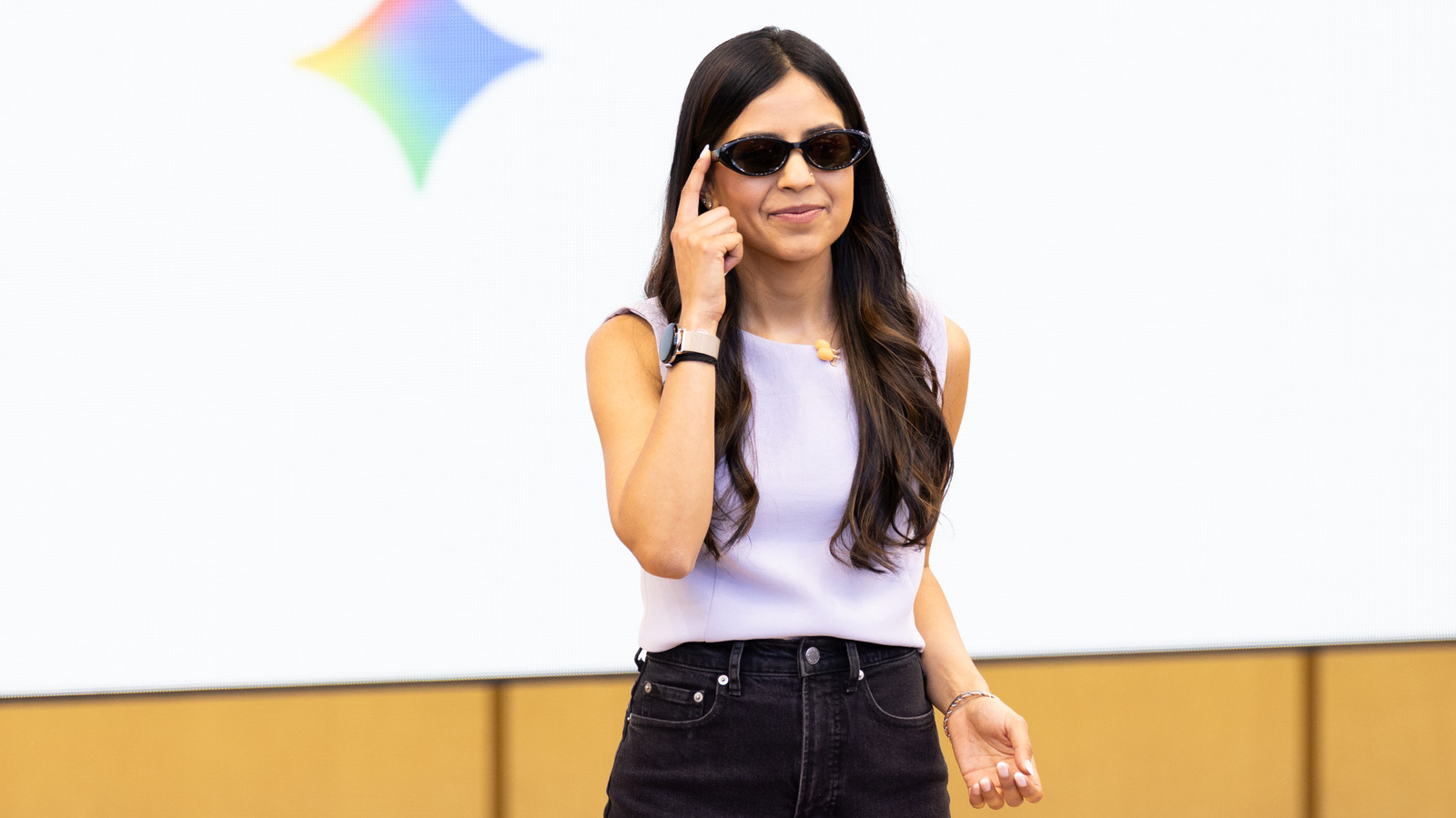
Google is quietly gearing up to reenter the smart glasses race, pitching a blend of practical augmented reality, smarter software, and cleaner hardware to take on Meta and other rivals. This piece walks through what to expect from the new devices, the likely tradeoffs, where they could shine, and why this matters for consumers and businesses. It’s a close look at features, privacy concerns, developer opportunities, and how Google might make smart glasses genuinely useful.
First, expect Google to focus on clarity and usefulness rather than sci fi spectacle. The company has learned that people want tech that helps with real tasks, like notifications you can glance at, navigation that feels natural, and heads-up information that does not interrupt. That means the interface will likely emphasize quick glances and short interactions, not constant overlays. If Google gets that balance right, users will find the glasses helpful without feeling overwhelmed.
Hardware will matter more than ever, and Google knows it. Sleek form factor, lightweight frames, and decent battery life are table stakes if people are going to wear these for an entire day. Cameras and sensors will be present, but the emphasis might shift toward sensor fusion that understands context rather than raw megapixels. That approach could make the devices feel smarter while preserving a normal glasses look.
On the software side, Google has an advantage in assistant technology and AI. Seamless voice and gesture control paired with on-device intelligence can reduce lag and privacy exposure. Local processing for common tasks will keep things fast and limit data sent to the cloud, while cloud services can still step in for heavier tasks. The smart blend of local and cloud computing could be the biggest differentiator.
Privacy will be a central battleground, and consumers will be watching closely. Google will have to reassure people that cameras and microphones are not silently recording or selling data. Hardware indicators, clear permissions, and easy-to-manage privacy controls will be essential for trust. Without those protections, even the most polished glasses could struggle to find a mainstream audience.
Developers and third parties will shape the device’s value, so Google will probably open strong developer tools and SDKs early. Practical apps are where smart glasses prove their worth, from warehouse inventory workflows to hands-free navigation for cyclists. Enterprise adoption could arrive faster than consumer adoption because business cases often justify specialized hardware. Strong developer momentum will determine whether the platform grows beyond a niche gadget.
Competition with Meta will be loud, but the market is bigger than any single rivalry. Meta has invested heavily in mixed reality and social features, while Google might lean into utility, mapping, and search integration. That split could create two complementary approaches rather than a winner-takes-all fight. Ultimately, consumers will choose the product that feels less intrusive and more useful day to day.
There are tradeoffs to accept, especially around battery life and display brightness. Longer runtime typically means added weight or larger frames, and brighter displays drain power faster. Google’s challenge will be to balance battery performance with a design people actually enjoy wearing. Clever power management and modular use cases could make the compromise more acceptable.
Price and timing will define early reception more than specs. A premium price forces a niche audience, while aggressive pricing can accelerate adoption but squeeze margins. Google can leverage services and ecosystem tie-ins to justify higher price points, but those strategies must remain consumer-friendly. If the initial models deliver clear, everyday value, a broader market could follow quickly.
