
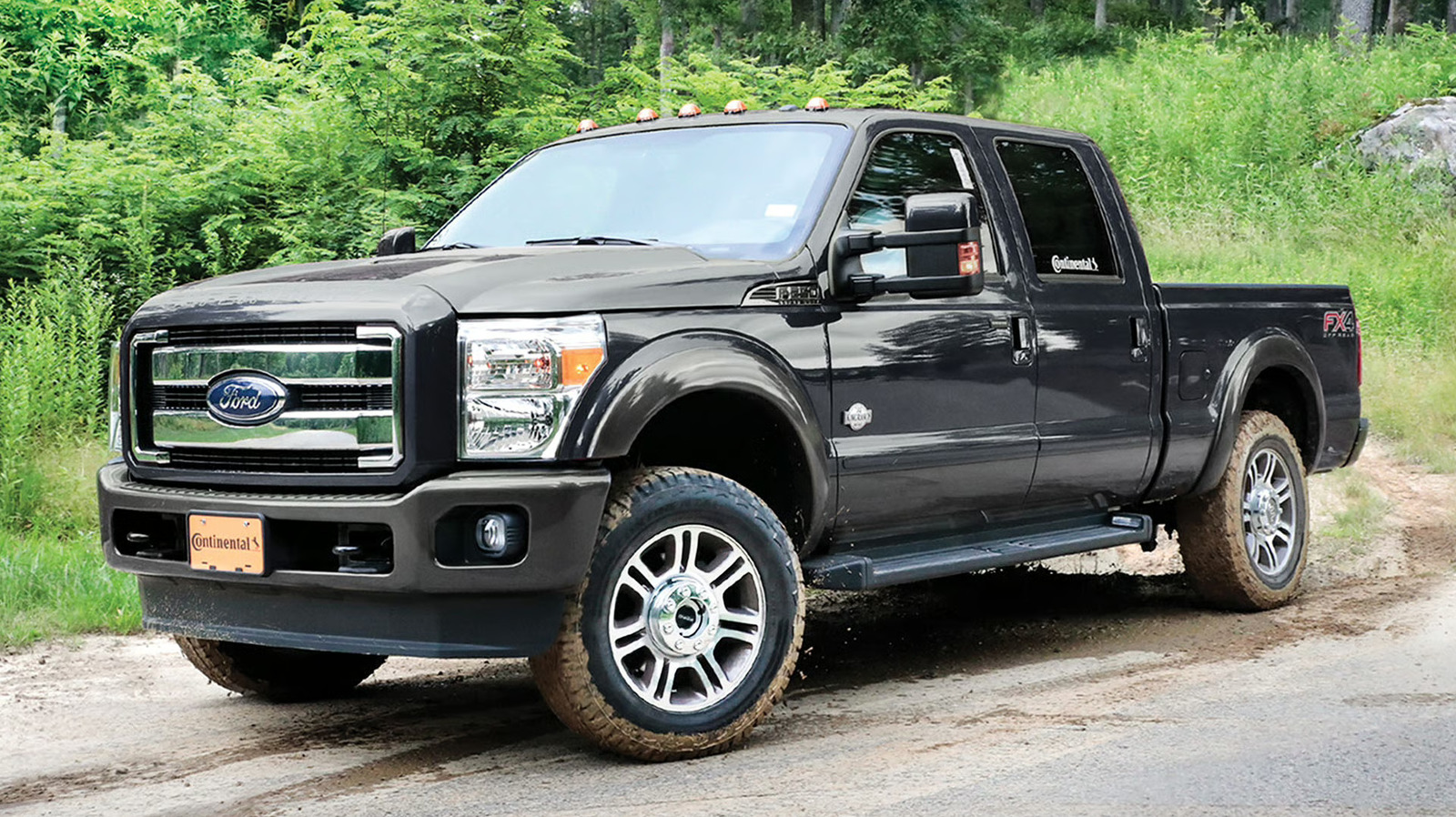
Independent lab testing has just shuffled the pecking order in the all-terrain tire world: a widely recommended model isn’t the top performer when you stack objective numbers side by side. The new results focus on braking, traction in loose surfaces, tread wear, and fuel efficiency, and they point to a competitor that outpaced the usual favorite across several key categories. If you’re shopping for a tire that balances off-road grit with on-road manners, these findings should influence your priorities.
For years, a particular all-terrain tire has been the go-to pick for drivers who want capability and a ready-made reputation. That status comes from solid marketing, dealer availability, and plenty of positive anecdotal reports, but market familiarity doesn’t equal test domination. Independent testing resets that conversation by measuring performance against repeatable benchmarks rather than reputation.
The lab ran a battery of objective tests that included dry and wet stopping distance, controlled mud and gravel traction drills, rolling resistance, and accelerated wear cycles to estimate tread life. In those controlled settings, the challenger posted shorter wet-braking distances and more consistent grip on loose surfaces, two areas where real-world safety is often decided. Rolling resistance was also lower, which translates into modest gains at the pump over long trips.
Tread life and construction matter as much as raw grip, and the winning tire showed a sturdier shoulder design that resisted chunking in aggressive driving scenarios. Its compound held up better during simulated mileage, so projected replacement intervals look longer for many drivers than they do with the familiar model. Warranty language and treadwear ratings still matter, but the tests suggest the newcomer gives you more miles before performance drops off.
Drivers who switched to the better-performing option reported a noticeable difference in mixed driving: less sliding when the pavement turned greasy, and fewer moments of wheel spin when escaping muddy patches. That said, fitment choices and individual driving style will change outcomes; a tire that shines on test rigs may feel different when you’re towing heavy loads or running extreme off-road pressures. Price comparisons show the top performer sits in the same value band as the incumbent, so the decision becomes more about real gains than sticker shock.
Choosing a tire remains a balance between the terrain you face, the loads you carry, and how much noise and ride comfort you’re willing to trade for bite in the dirt. Pay attention to measured wet and loose-surface performance if you drive in changeable weather or on unpaved roads frequently, and consider rolling resistance figures if commuting and fuel economy matter to you. Finally, check local availability and tire shop feedback, because real-world service and mounting options will finish the picture beyond the numbers.
