
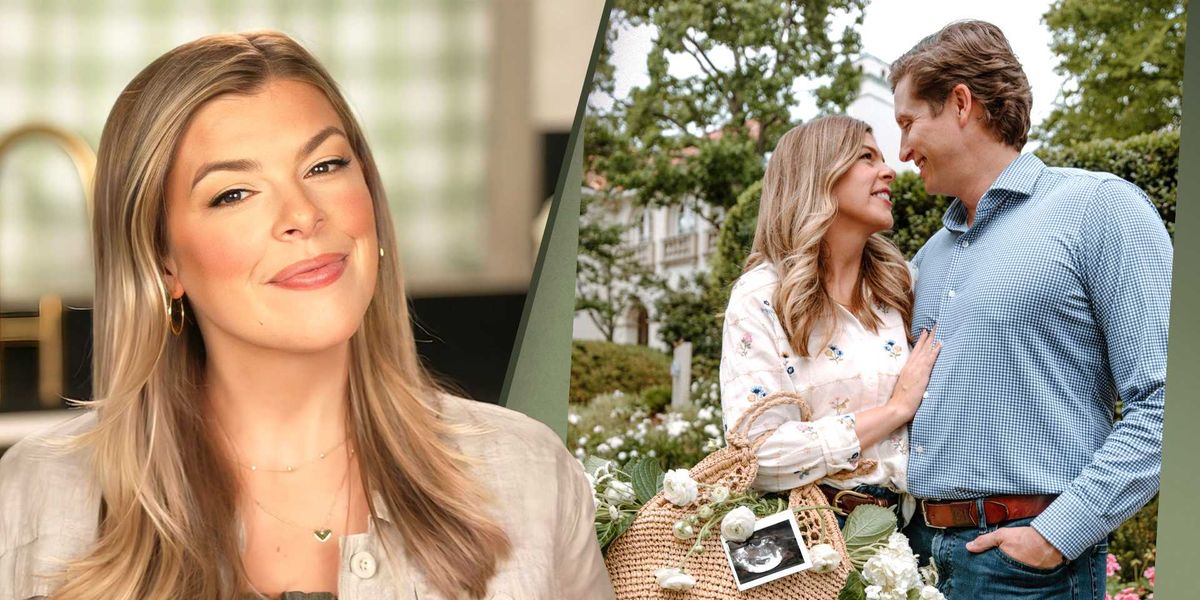
Allie Beth Stuckey has announced she’s expecting baby number four and used the moment to push back against common assumptions about Christian womanhood, calling out a few modern myths and insisting faith, not aesthetics or status, defines a woman’s worth and calling.
Stuckey says one of the most persistent misunderstandings ties the idea of biblical womanhood to a narrow, nostalgic image. “One of the biggest myths in Christian womanhood,” she says is the “idea that one, biblical womanhood and so-called traditional womanhood or being a so-called tradwife are completely synonymous.” She warns that dressing and styling a life for social media does not equal the deep spiritual commitments the Bible speaks about.
Social media has given rise to an aesthetic where long dresses and curated domestic scenes become shorthand for devotion, but Stuckey argues the look and the belief are not the same. “We’ve kind of conflated the trad-aesthetic — which is a social media trend for some people, I’m not saying it’s not genuine for many people — with being a biblical woman. And it’s not always the same thing,” she says. That conflation, she believes, risks reducing spirituality to a costume.
Stuckey pushes back against another common assumption: that womanhood only hits its stride after marriage and children. “My argument is not that those things cannot bring a level of fulfillment because they absolutely do. They’re good and wonderful blessings. The biggest earthly blessings I have in this life are my family, my husband, and my children,” she says, acknowledging the joy those roles bring without elevating them above everything else.
She adds that tying identity solely to domestic milestones sets a fragile foundation. “However, they are not the pinnacle of your fulfillment and satisfaction. Christ is, which means you can have that right now if you are a Christian, no matter what stage of life you’re in,” she says, pointing out that service to God is possible in many seasons and situations. Her point is blunt: faith gives dignity and purpose before any title or family role does.
Another thread she critiques is the spread of therapeutic language into Christian life, what she calls “therapy culture.” She describes this trend as a mix of self-help talk, inner-child terminology, and therapeutic frameworks that often center the self. “Ultimately, I think all of these psychological ideas elevate the God of self rather than leading us to Christ and encouraging us towards self-denial,” she says, arguing that these approaches can sideline spiritual growth.
Her perspective is not a blanket rejection of psychology or help, but a caution about where cultural trends direct devotion and identity. While contemporary therapy can offer tools, she warns it can also drift toward making personal experience the ultimate authority. For Stuckey, Christianity insists on looking outward and upward to Christ for identity and meaning.
Stuckey’s comments arrive as she celebrates a growing family and reflects on what she considers central to Christian womanhood. Her message leans on the conviction that faith reshapes priorities and resists easy visual shorthand. “Of course, that is true,” Stuckey says, underscoring a simple point: spiritual formation matters more than style or status.
Her stance is a reminder that roles, aesthetics, and therapeutic buzzwords are all secondary to a faith-first life. She wants women to know they are complete in Christ now, and to make choices from that grounded place rather than chasing culturally packaged versions of fulfillment. The conversation she’s stirring is as much about practical life choices as it is about where people place their ultimate trust and hope.
