
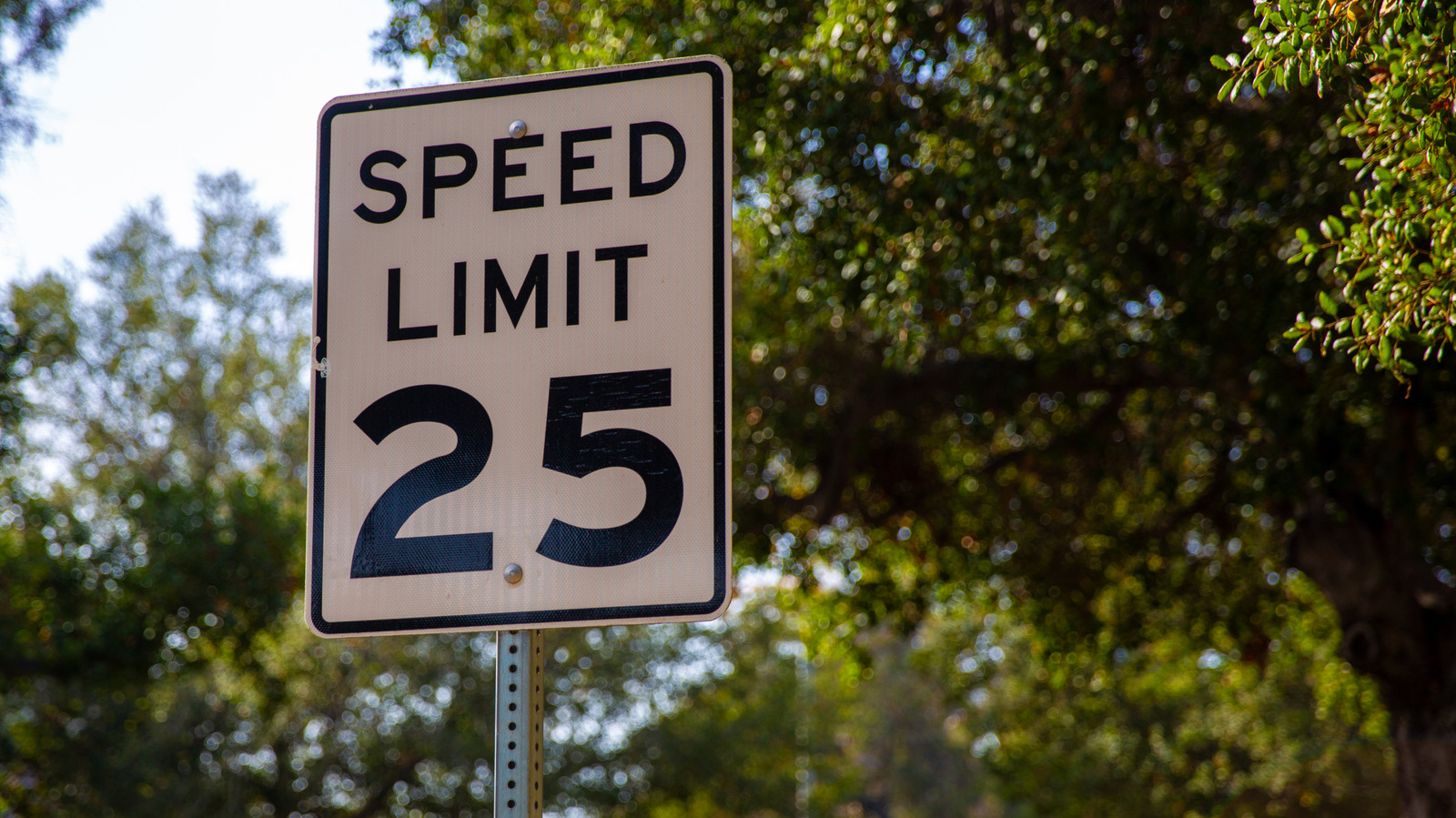
Living on a busy street can feel like a daily battle with speed and noise, and this piece lays out why taking matters into your own hands is risky, what legal consequences you could face, and the safer, lawful options for getting change through community action and local government.
“If you live on a busy street, you may feel an urge to attempt your own solution to all of the cars that speed through, but that risks running afoul of the law.” That feeling is real and powerful, but acting on it without thinking can lead to fines, liability for accidents, and even criminal charges. People imagine simple fixes like makeshift barriers, homemade signs, or confrontations with drivers, but those moves expose you and your neighbors to hazards and legal trouble. It helps to take a step back and choose a route that protects you first and changes behavior second.
The law treats unauthorized traffic control and physical obstructions seriously because they can cause crashes and confusion for drivers and emergency responders. Installing an unapproved speed hump, blockade, or signs can interfere with official traffic plans and might void insurance in a crash. Beyond property consequences, physical confrontations with aggressive drivers can escalate into assault or property damage claims. Knowing the legal line prevents costly mistakes and keeps your campaign focused on results rather than regrets.
Documenting the problem is a sensible first move and stays squarely inside the rules. Note times when speeding spikes, record license plates if safe to do so, and use a dash cam or phone video from a fixed, legal vantage point to build a clear pattern of dangerous behavior. Local police departments and traffic engineers respond better to data than to anger, and a well-documented case makes it easier to request targeted enforcement or study. Keep your records factual and concise so officials can act without wading through emotion.
Neighborhood organization goes further than individual protests because it shows officials that the issue is a community priority. A petition with dozens of signatures, a short letter from several households, or a neighborhood meeting with council members signals collective concern. When more people speak up, the city is likelier to fund traffic calming measures or add enforcement. Community-led but legally framed pressure brings resources and legitimacy that DIY fixes never will.
Engaging with local government opens practical routes for change like speed studies, additional signage, crosswalk improvements, and enforcement campaigns. Ask the municipality for a formal traffic study, request temporary speed feedback signs, or suggest a pilot program for curb extensions or raised crosswalks. These solutions take time but are designed by professionals to reduce speed safely, and they shift responsibility for design and maintenance away from private citizens. Persistence and follow up are often what make a request turn into action.
Civil solutions also include working with law enforcement on targeted enforcement and exploring volunteer-led but approved programs like community speed watches. Many police departments offer guidance on safe, approved ways residents can help report dangerous drivers or collect speed data for official use. Volunteer efforts must be coordinated with authorities to avoid liability and to ensure the data is admissible in official requests for enforcement or engineering changes.
Know what to avoid: do not place objects in the roadway, do not block traffic, and do not engage drivers aggressively. Those actions create immediate danger and shift blame to you if an incident occurs. Instead, focus energy on legal measures, public education, and steady advocacy. Smart, lawful pressure gets results without making your neighborhood riskier.
Change on busy streets is a marathon, not a sprint, and the safest, most effective wins come from data, community coordination, and working through official channels. Stay safe, keep records, rally your neighbors, and push your local officials for lasting solutions that reduce speed without creating new hazards.
