
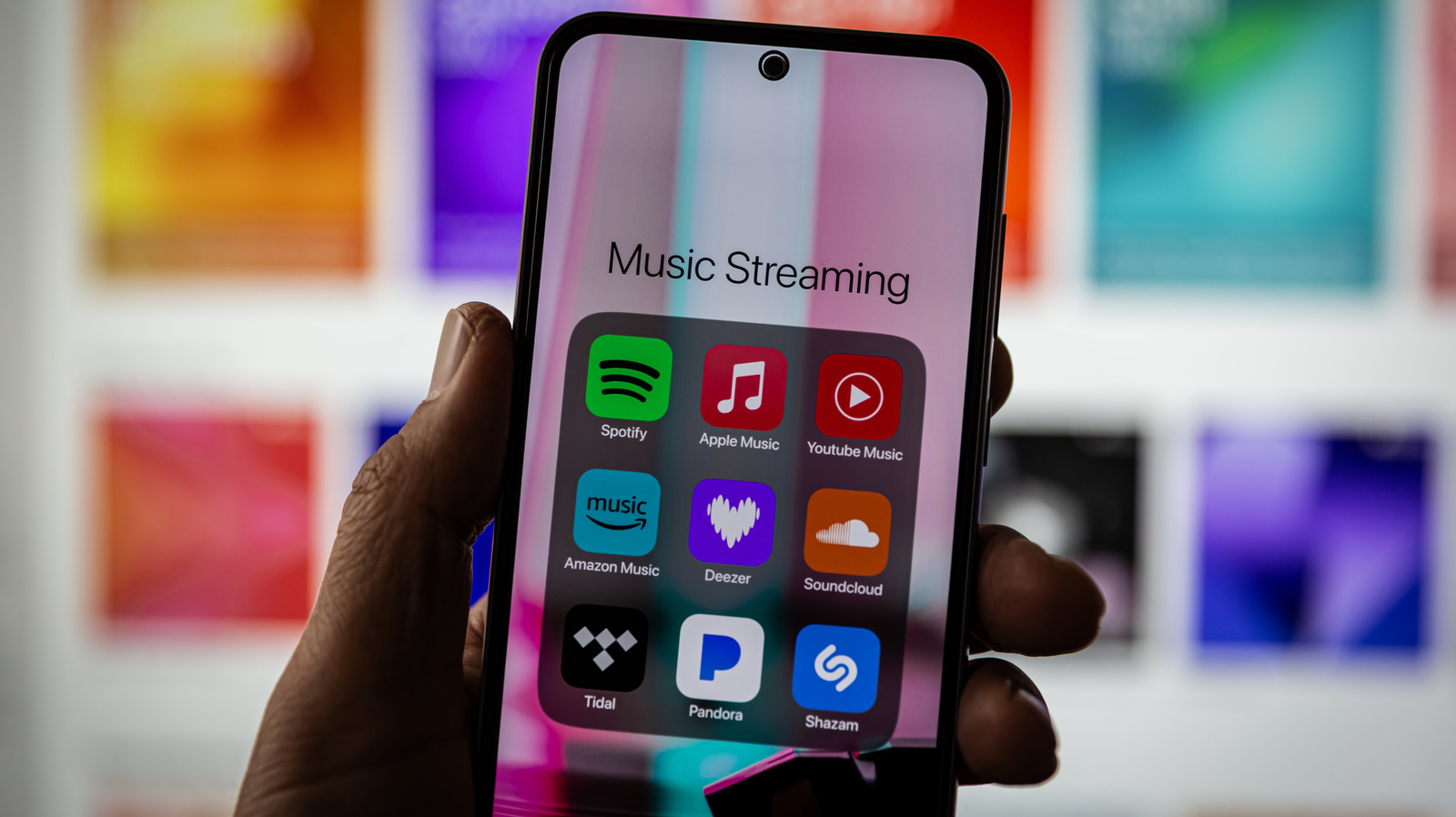
Finding an affordable music streaming service is getting harder, but one old-school platform keeps costs down with a different approach to listening. This piece looks at why modern streaming is so costly and how a radio-style model keeps prices low without pretending on-demand is the only option. Expect a clear take on trade-offs, where savings come from, and why some listeners might prefer simplicity over unlimited choice.
Streaming used to feel like choosing between cheap and complete, but now cheap often means squeezed features and aggressive upselling. Licensing deals, artist payouts, and a race for exclusive content pushed prices up and margins down. That pressure trickles to subscribers, who face higher fees for the perks they actually want.
The old-school option flips the equation by treating music like a broadcast instead of a vault you can raid. Think linear programming, curated blocks, and fewer skip privileges in exchange for a lower monthly cost or even free access. It accepts limits on demand playback and turns that acceptance into the primary tool for affordability.
That model keeps costs down in a few clear ways. Licensing arrangements for public-performance or broadcast-style delivery can be simpler than on-demand licenses, lowering statutory fees and administrative overhead. Operationally, less focus on heavy server-side streaming for individualized plays trims infrastructure costs too.
Ads play a role but are not the whole story. Advertisers underwrite a substantial portion of free and cheap tiers, but smart scheduling and fewer personalization demands mean ad tech is less intrusive and often cheaper to run. Subscribers tolerate a handful of ads when the trade-off is a fraction of the price of an all-you-can-play catalog.
For many listeners, the experience is oddly refreshing. You get playlists that feel like a radio host’s picks rather than algorithmic backyards cluttered with everything you’ve ever clicked. That modest curation removes decision fatigue and can introduce music in a way on-demand discovery rarely does anymore.
There are real trade-offs to weigh. No instant gratification for every track, limited offline caching in some cases, and stricter skip rules can frustrate users who want total control. But if your priority is variety for a low price and you don’t need every single song on demand, the compromise can be worth it.
One practical upside is discoverability that respects context. Linear stations and curated channels often group songs by mood, era, or theme, which helps artists reach listeners who will stick with a set rather than bounce after a single track. That pattern benefits creators and listeners by fostering longer, more attentive sessions.
For people budgeting for entertainment, the math is straightforward: fewer bells, lower bills. Choosing a radio-style service is a conscious trade toward cost predictability and simplicity. It’s not about losing features so much as picking a different listening philosophy.
Technology still matters even in simpler models. Good apps, reliable connections, and decent audio quality keep the experience competitive, and many services blend a sprinkle of on-demand options with primarily linear formats. That hybrid approach keeps the budget-friendly benefits while offering occasional control when you need it.
Ultimately, the choice comes down to how you like to listen and what you’re willing to pay for it. If you prize variety, surprise, and keeping monthly costs low, the old-school broadcast style is worth trying. It proves that affordability doesn’t have to mean a worse experience—just a different one that a lot of people quietly prefer.
