
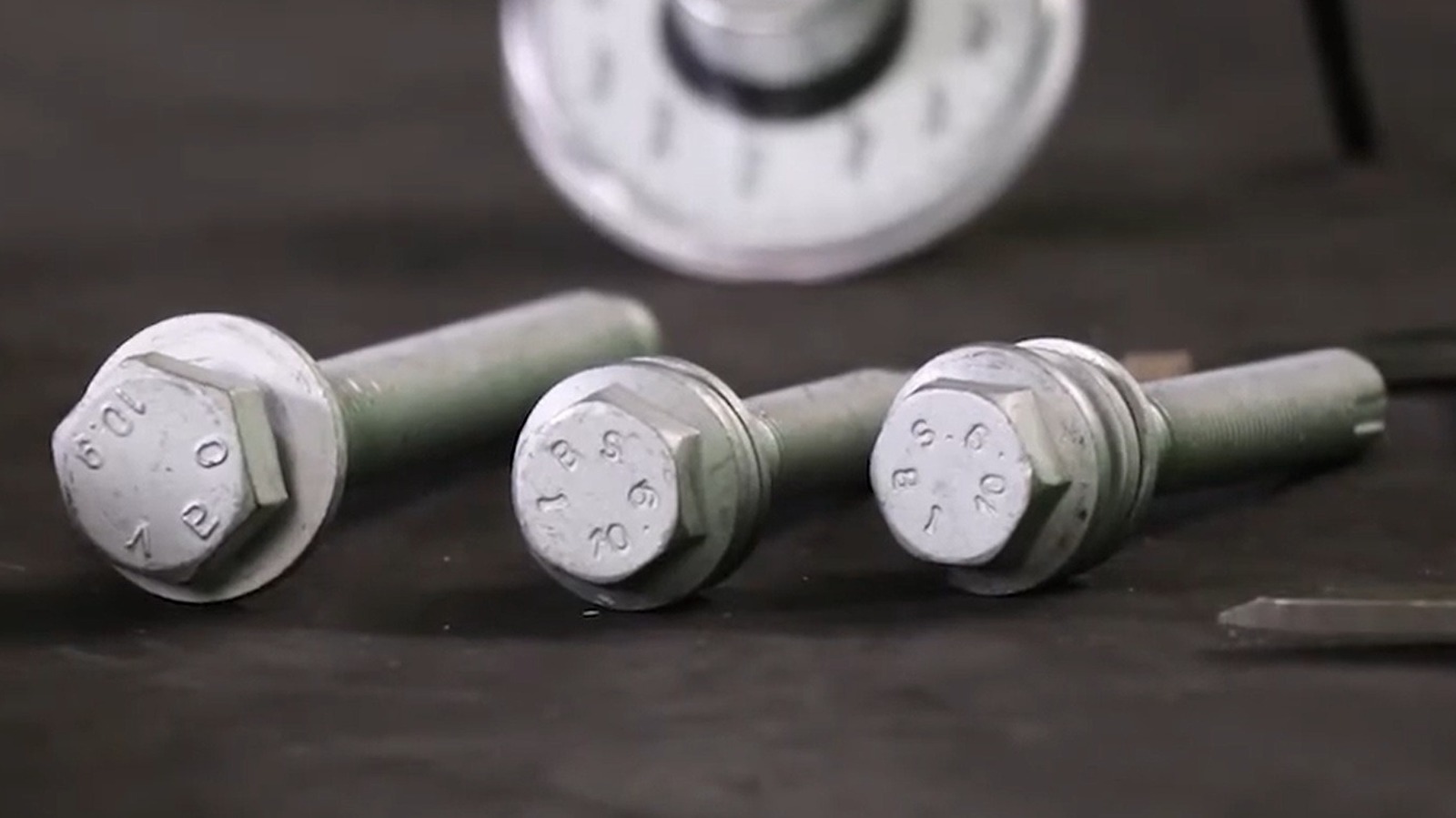
I’ll explain what a torque-to-yield bolt is, why manufacturers use them, the tradeoffs involved, how to spot trouble, and what to do when one fails. This piece breaks the basics into plain language, covers installation and replacement best practices, and points out safer alternatives you might choose. Read on to learn how a tiny stretched bolt can make a big difference under the hood.
A torque-to-yield bolt, often called a TTY bolt, is designed to be tightened past its elastic limit so it permanently stretches. That controlled stretching creates a predictable clamping force, which is useful where consistent pressure matters, like cylinder heads. The key point is that TTY bolts are meant to be used once and then replaced.
Torque-to-yield bolts work differently from standard fasteners because they rely on plastic deformation rather than purely elastic torque. Mechanics typically tighten them to a specified torque value, then turn them an extra angle to reach the yield region. This approach removes much of the variability caused by friction and surface conditions, giving a repeatable clamp load that conventional torque readings alone can’t guarantee.
Manufacturers like TTY bolts because they help control assembly tolerances and save weight. When parts need very precise clamping, a stretched bolt is more reliable than a bolt simply snugged up to a number on a wrench. That consistency can protect mating surfaces and improve sealing when installed correctly.
The tradeoffs matter, though. Once stretched, a TTY bolt loses its original properties and must be replaced; reusing them risks failure. They can also be unforgiving if you make a mistake during installation, and not every repair shop follows the exact torque-angle procedure required. Finally, certain cheap or counterfeit bolts do not meet the needed material specs and can fail catastrophically.
Common places you’ll find TTY bolts include head bolts, main bearings on some engines, and certain transmission or exhaust fasteners. The logic is the same in each case: a critical joint where consistent clamp pressure prevents leaks, movement, or bearing failure. If you work on older cars or engines with traditional reusable bolts, you might not encounter them as often.
When replacing TTY bolts, always use new hardware that matches OEM specifications or an approved aftermarket equivalent. Use a calibrated torque wrench for the initial torque and an accurate angle gauge for the final turn. Skipping the angle step or using worn tools is the main cause of incorrect preload and premature failure.
Watch for signs a TTY bolt has failed or is near failure: coolant leaks around the head, unusual vibration, or a loss of compression in a cylinder are all red flags. Also inspect the bolt threads and mating surfaces for scoring or corrosion before assembly. If a bolt has been heated, overtorqued, or shows obvious deformation, replace it rather than risking reuse.
If you want a more service-friendly option, consider high-quality studs plus nuts where appropriate; studs can give the same clamp control while keeping the fastener reusable. However, studs change the repair steps and may require different torques or shims, so only swap to studs if you understand the new procedure. Many shops still prefer to stick with OEM-style TTY bolts for warranty or engineering reasons.
Practical assembly tips include cleaning threads, following manufacturer lubrication guidance, and using calibrated tools for both torque and angle measurements. Label and dispose of used TTY bolts and never guess on replacement parts; the correct grade and heat treatment matter. Finally, when in doubt, consult the specific service manual for torque-to-yield directions and accept that replacing these tiny parts is often inexpensive insurance against major engine trouble.
