
This piece digs into why diesel and gasoline engines behave so differently, focusing on construction details you don’t usually hear about, like cylinder sleeves, combustion pressure, materials, and maintenance realities. It walks through how those hidden choices change durability, fuel efficiency, and repair strategies, and it explains why a vehicle’s purpose should drive your engine choice. Expect clear, practical comparisons without tech jargon getting in the way.
At first glance the biggest split between diesel and gas engines is how they ignite fuel. Gas engines use spark plugs to start combustion, while diesels rely on compression heat to ignite a denser mix. That difference forces designers to build diesel blocks and heads to survive much higher pressures and temperatures. Those structural demands ripple down into almost every component inside the engine.
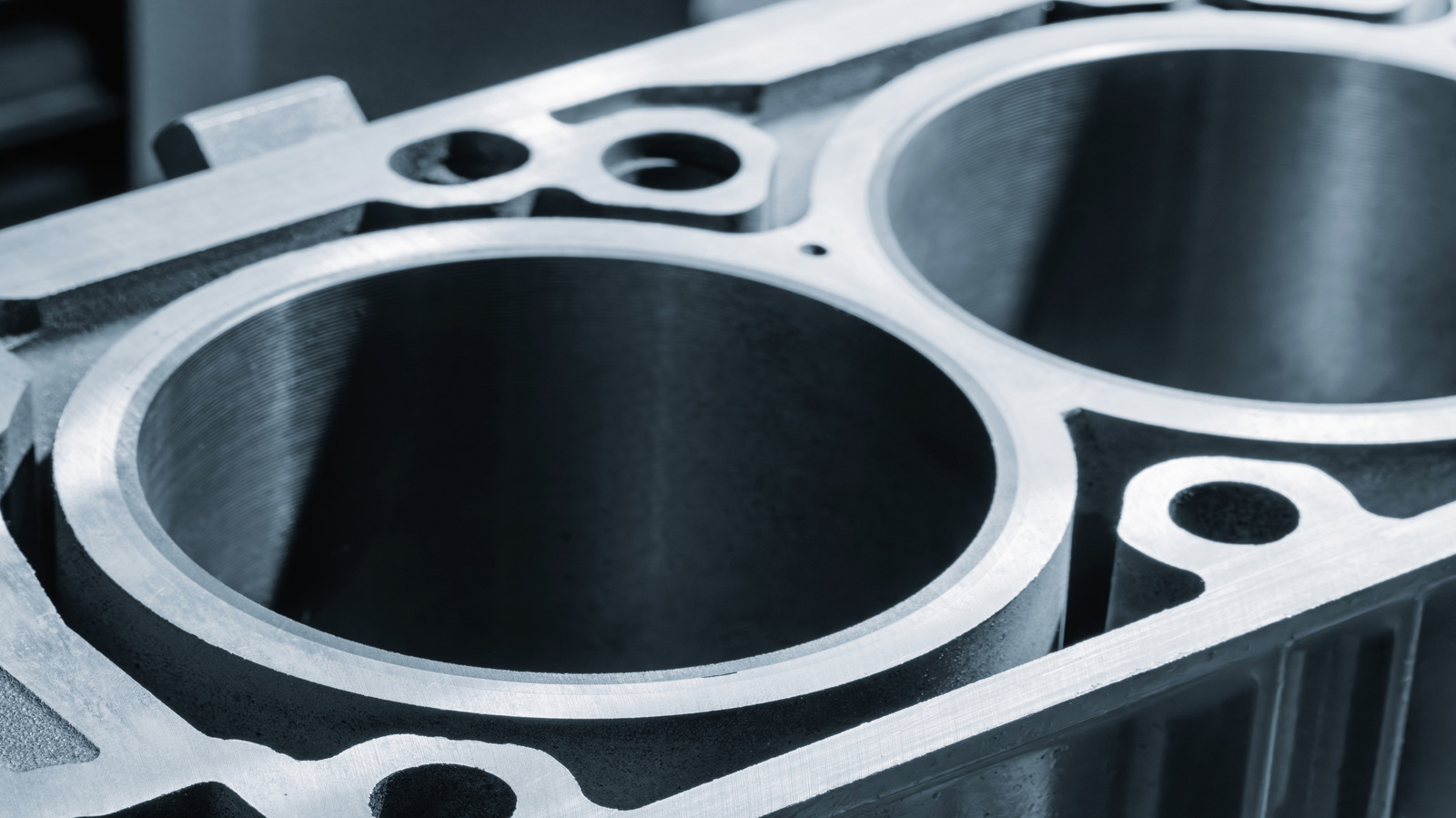
Cylinder sleeves are a great example of those hidden decisions. A sleeve is a replaceable lining inside the cylinder bore that takes the brunt of piston movement and ring wear. Diesel engines often use heavier or even replaceable sleeves to cope with intense pressures and long service lives, whereas many gasoline engines rely on coated bores or direct-honed aluminum without separate liners. That choice affects resale value, repair cost, and how long the engine can realistically be rebuilt.
Materials and manufacturing methods diverge as well. Diesels commonly use cast iron or strengthened alloys for blocks and thicker cylinder walls because the metal must resist higher stresses. Gas engines can afford lighter aluminum blocks with more intricate cooling passages since combustion pressures are lower. The trade-off is weight versus strength, and that plays into fuel economy, towing ability, and chassis engineering.
Wear patterns differ between the two types, changing maintenance habits. Diesel’s higher cylinder pressures push piston rings harder against the sleeve or bore, accelerating ring and sleeve wear if the design isn’t robust. Gas engines tend to be kinder to rings but can suffer from other issues like valve-seat recession or carbon buildup if not maintained. Knowing those tendencies helps owners prioritize oil change intervals, inspection routines, and the level of filtration they need.
Thermal management is another silent but critical factor. Diesels run hotter under load and need cooling systems sized for sustained thermal stress, while gasoline engines often see quicker spikes and drops in temperature with lighter cooling needs. That affects gasket choices, head bolt patterns, and even how thermostats are calibrated. In short, the cooling system is designed with the engine’s operating style in mind, not just ambient weather.
Repairability and aftermarket options reflect these built-in differences. Engines with replaceable cylinder sleeves are often easier to rebuild to like-new condition, since worn sleeves can be replaced rather than reboring or scrapping the block. Engines without sleeves might be lighter and cheaper upfront but sometimes cost more over the long haul if major machining is required. That’s why fleet operators and heavy users often prefer diesel designs with serviceable components.
When choosing between diesel and gasoline, match the engine to real-world needs instead of reputation alone. If you haul heavy loads, drive long distances, or need longevity under constant stress, diesel construction choices like sleeves and stronger blocks can be decisive. For lighter, quieter daily driving, the simplicity and lower upfront weight of gasoline engines usually win. Understanding the engineering under the hood makes that decision far less mysterious.
