
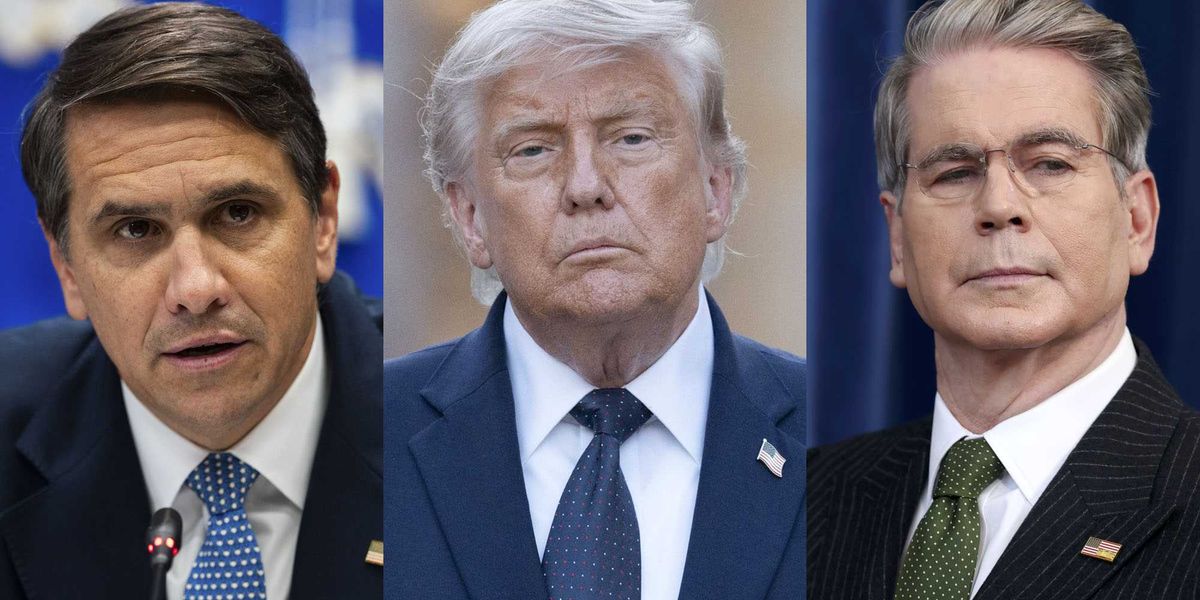
The Justice Department pushed back against a judge’s demand for sworn declarations over a proposed $1.8 billion anti-weaponization fund, arguing the court crossed constitutional lines and that the matter belongs to the executive branch. The dispute traces to a deal tied to a dropped IRS lawsuit and unfolded as Attorney General testimony, a president’s statements, and a judge’s warning collided in open court. Plaintiffs, led by Democracy Forward, pressed for proof the fund was truly dead, while the DOJ insisted judges cannot micromanage settlement decisions.
The background is straightforward: President Trump agreed to dismiss litigation with the IRS in exchange for creating a fund meant to compensate people harmed by alleged government weaponization. That proposal drew intense backlash from critics who argued it could become a partisan slush fund, and it quickly became a flashpoint between branches of government. The administration says the fund is off the table, but opponents demanded ironclad proof beyond public testimony.
“We are not moving forward with the fund. Period,” Blanche said clearly. Those words came from Attorney General Todd Blanche during congressional testimony, and the DOJ places heavy weight on sworn testimony and formal filings rather than ad hoc demands from a judge. The department maintains it already told the court the fund would not proceed and sees no lawful reason to produce additional declarations under penalty of perjury just to satisfy litigants who disagree politically.
U.S. District Judge Leonie Brinkema, however, pointed to presidential remarks supporting the fund and Blanche’s hesitation to provide a written guarantee as reasons to suspect the administration still intended to follow through. She ordered the acting attorney general and Treasury officials to submit sworn statements within a week or face the plaintiffs’ lawsuit moving forward. That order prompted the DOJ to file a forceful response arguing the court’s directive was an overreach.
The government’s filing labeled the judge’s demand a “serious” separation of powers concern, framing it as a judicial attempt to supervise executive settlement authority. “The DOJ has already twice filed in court that the fund isn’t moving ahead, coupled with Blanche’s repeated testimony before Congress that the fund isn’t moving forward,” the spokesperson said. The department argued that compelling personal, future-facing guarantees would invite judges into the heart of executive discretion.
The plaintiffs pressed back loudly. “It is telling that even after the federal court gave them a week, the acting attorney general and other senior administration officials continue to refuse to say under oath that the Slush Fund is dead and won’t operate in the future,” Democracy Forward president and CEO Skye Perryman said. “Nor have they provided any information under oath about their compliance with the court’s prior directives,” Perryman added. Those comments underline that the case is as much about trust and public accountability as it is about legal procedure.
The DOJ’s statement to the court captured the core constitutional gripe: forcing future promises or supervisory sign-offs on routine settlements would let judges sit in the driver’s seat of executive policy. “In essence, the judge’s demand for declarations was an attempt to require her to personally sign-off on any and all future settlements, separate and apart from the Fund, that the department may make,” the spokesperson added. The department echoed the principle captured in a blunt line from its counsel: ‘Judges do not get to insert themselves into the department’s routine settlement authority.’
Political reaction has been predictably split, with some Democrats and a handful of Republicans worrying the plan could be misused, while conservative voices emphasize the danger of judicial encroachment on executive settlement choices. Judge Brinkema, a Clinton nominee from 1993, made clear she regarded public statements as insufficient without sworn assurances. The fight now turns on legal briefing and whether courts will accept the administration’s written assurances or demand the kind of detailed declarations the plaintiffs requested.
The case will test the balance between accountability and separation of powers as it moves forward, with both constitutional doctrine and political stakes on display for judges and the public to weigh.
https://x.com/KaelanDC/status/2068068800700743762
