
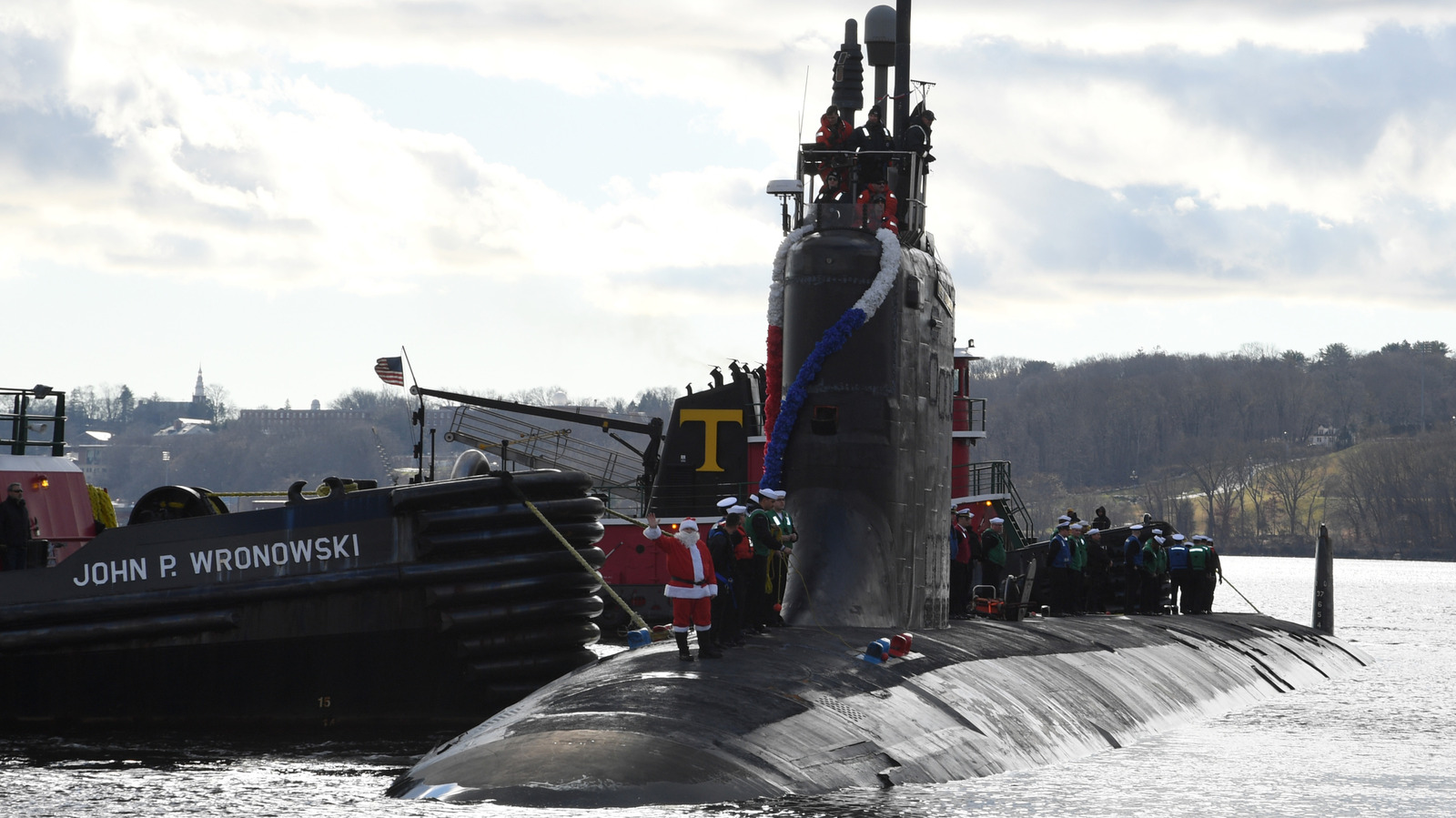
The Navy just announced a submarine was finished a month ahead of schedule, a rare bright spot against a longer history of construction and maintenance delays. This piece looks at what that early delivery might mean for readiness, shipyards, and the recurring complaints about bottlenecks. It treats the milestone as noteworthy without assuming it solves the underlying problems.
The Navy has received criticism in recent years for long delays when it comes to construction and maintenance, so this quick completion stands out. Delays have a real cost: they push back deployments, inflate budgets, and strain crews waiting for new platforms. When a schedule slips, the ripple effects reach far beyond the pier.
Completing a submarine a month early does not happen by accident. Shipbuilders, suppliers, and Navy program managers need to line up parts, labor, testing, and inspections in sequence, and any hiccup can stall the whole flow. So when a yard manages to push everything through on time or faster, it usually signals some combination of focused management and favorable conditions.
Several concrete factors can drive an early finish. Better planning and tighter oversight may have smoothed work packages, while improved supply chains can prevent the usual wait for components. Sometimes extra shifts and a concentrated workforce produce bursts of productivity, and lessons learned from past projects are applied to shave time off critical paths.
The practical upside is straightforward: a hull ready earlier means the Navy can move more quickly toward sea trials, crew training, and eventual deployment. That accelerates capability into the fleet and can reduce cost growth associated with drawn-out schedules. It also sends a message to commanders who count on predictable timelines when planning force posture and exercises.
Still, a single early delivery is not a cure-all. Modern warships and submarines are extremely complex systems and consistent performance across multiple ship classes and yards is what really matters. One successful outcome needs to be the start of a pattern, not an isolated headline, if the Navy wants durable improvements in cost and schedule control.
Another important layer is certification and testing. Early completion of construction does not bypass the demanding sea trials, systems integration checks, and safety certifications that follow. Those steps are designed to catch problems you do not want discovered while deployed, and they often take as long as construction in real terms.
Policy and oversight can help lock in gains. If Congress and the Navy study what went right and encourage the spread of effective practices between public and private yards, that can create real momentum. At the same time, procurement officials should avoid rewarding shortcuts that compromise long-term performance in favor of short-term wins.
From an operational point of view, fleet commanders welcome any reduction in wait time for new assets, but they also insist on reliability. The last thing a squadron needs is a sub delivered early that then spends months in post-delivery workups. The balance between speed and thoroughness is where the Navy’s credibility with sailors and taxpayers lives.
Celebrating a single early delivery makes sense, provided it is followed by hard analysis and persistent improvement efforts. If the industry and the Navy can capture the techniques behind that success and apply them more broadly, the payoff would be tangible for readiness and budgets. The milestone is worth watching closely as a potential sign of smarter, steadier shipbuilding rather than a lucky exception.
