
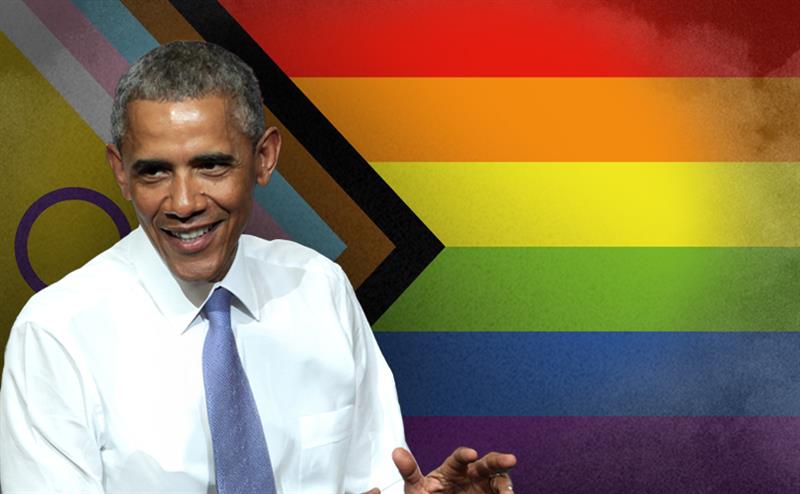
At the opening ceremony, First Lady Michelle Obama explicitly credited her husband with “standing up for marriage equality,” and that brief line says more about modern political branding than you might think. This piece looks at what that moment communicates, how it plays to different audiences, and why conservatives should care about the symbolism in places we thought were above daily politics.
When a prominent public figure points out their partner’s role in a cultural shift, it’s not just praise, it’s positioning. Michelle Obama noting Barack Obama’s stance on ‘standing up for marriage equality’ was a calculated nod to a base that sees that shift as a badge of progress. For many on the right, though, that same nod feels like an endorsement of a broader ideological project being baked into our civic institutions.
Presidential appearances and ceremonies are never neutral, and neither are the words chosen for them. Calling attention to a president’s role in a major social change turns a personal story into a permanent part of a political brand. Conservatives should push back on the idea that a leader’s private or cultural preferences automatically translate into the values a public museum or center should promote.
There’s a real difference between acknowledging a legal change and celebrating a cultural agenda. Saying someone ‘stood up for marriage equality’ recognizes action, but it also frames that action as heroic and universally positive. For those who hold traditional views, that framing shuts down debate by treating one side as morally settled and the other as backward.
Language matters. Phrases like ‘standing up’ create moral clarity where there might be genuine disagreement, and the clarity is almost always slanted. In political marketing, moral clarity sells; it rallies supporters and simplifies complex issues into tidy narratives. Conservatives need to offer an alternative narrative that champions pluralism and respects citizens who disagree without labeling them as opponents of progress.
That doesn’t mean ignoring the realities of change. It means arguing that change should be handled in ways that respect local control, religious liberty, and the open debate that keeps a free society healthy. If a public ceremony treats one view as the moral baseline, it risks alienating half the country and turning civic spaces into partisan monuments rather than places for reflection and learning.
The First Lady’s compliment was brief, but it was effective messaging. It reassured supporters, signaled priorities, and cemented a version of recent history that many on the left embrace wholeheartedly. Republicans should recognize the potency of that message and respond with clear, principled messaging of their own instead of letting cultural institutions define the terms of the conversation.
In the end, moments like this reveal the tug-of-war over who gets to tell America’s story. If conservatives want their perspective reflected, they have to be present in the cultural debate and insist that public commemoration be inclusive, not celebratory of a single political narrative. Otherwise, civic spaces will keep drifting toward one-sided storytelling under the guise of celebrating history.
