
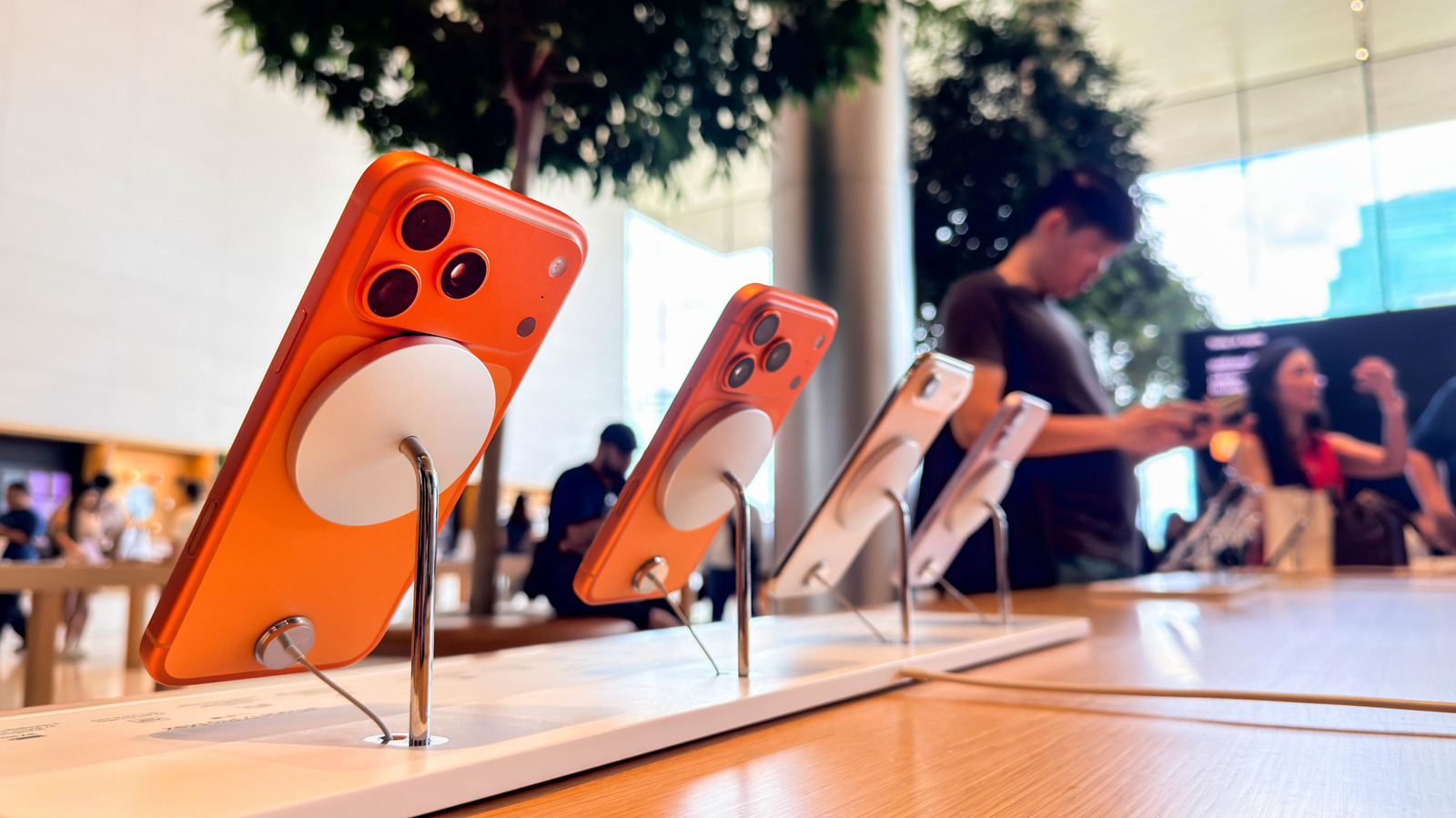
Apple gear has long carried a premium people call the “Apple Tax,” and this piece walks through why that premium is sticking around and likely increasing, what it means for shoppers and the market, and practical moves consumers can make to avoid getting hit hardest.
Apple products tend to cost more than rivals, and that gap isn’t accidental. The company prizes tight hardware-software integration, hefty R&D, and an ecosystem that locks users in, all things that add to unit costs and allow Apple to maintain elevated margins. Investors have come to expect those margins, and Apple has incentives to keep prices where they are. That pressure makes cheaper alternatives a recurring talking point but rarely slows Apple’s pricing strategies.
Supply-chain realities are a big part of the story. Component shortages, logistics hiccups, and the rising cost of skilled assembly all feed into sticker prices, and Apple’s global manufacturing footprint has not insulated it from those forces. Shifts like diversifying production away from a single country can add short-term expense even if they reduce geopolitical risk long term. When costs rise on the factory floor, the simplest lever is often product price.
Services and subscriptions have reshaped Apple’s economics, too. A higher up-front price paired with ongoing revenue from apps, cloud storage, and media creates a business model that tolerates premium hardware pricing. That means the company can keep pushing features and quality while relying on recurring income, which investors like. For consumers, it turns buying an Apple device into an entry fee for a broader, paid ecosystem.
There’s also a competition angle: Apple rarely competes on lowest price. Instead it sells a curated experience, premium materials, and brand cachet, and many buyers accept that trade-off. But that creates room for rivals to target price-conscious buyers with comparable specs at lower costs. Even so, Apple’s brand strength often converts those competitors’ technical parity into market fragmentation rather than wholesale defections.
Policy and regulation could make the picture more complicated. Tariffs, import rules, and antitrust scrutiny all have price implications, and changes in those arenas can raise costs or force strategic shifts. Consumers might see those effects show up as steeper prices or slower product refresh cycles. For Apple, navigating those legal and political headwinds is part of preserving margin without alienating a loyal base.
What this means for people shopping for phones, laptops, or watches is practical and immediate: expect higher tags on new models and a longer tail for older gear to hold value. Trade-in offers and certified refurbished programs soften the blow, but they don’t erase the structural premium. If you’re trying to avoid inflated launch prices, timing and model choice matter more than ever.
Smart buying strategies are straightforward and effective. Consider last year’s model when a new one drops, use trade-ins to reduce net outlay, and watch certified refurbished channels for steep savings with warranty coverage. Carrier deals and seasonal sales can help, but buyer patience is often the simplest—and most reliable—discount tool.
For the market, rising prices can be a double-edged sword. Higher margins boost shareholder returns and fund innovation, yet they also open the door wider for cheaper alternatives and invite regulatory attention. That tug-of-war shapes what Apple builds and how it prices those builds going forward. Consumers and competitors will keep adjusting as Apple adjusts its balance between premium positioning and mass-market reach.
The upshot is blunt: Apple’s premium is a structural business choice backed by design, services, and brand power, and external pressures are making it tougher to ignore. Shoppers who value that seamless experience will pay more, and those who don’t have increasingly polished—and less expensive—options to consider. Either way, the trend looks set to continue.
