
Amazon has started slashing prices on its gadgets early, moving into Prime Day territory ahead of the official June 23 kickoff. This piece walks through what shoppers should expect from early device deals, how to approach the offers, and a few practical tips to avoid buyer’s regret while getting real value from the discounts.
The big takeaway is simple: Prime Day fever has already hit Amazon, and that means Echo speakers, Fire TVs, Kindles, and other ecosystem gear are showing up with notable markdowns before the sale officially begins. These early cuts are designed to lock in attention and clear inventory, so if you want a smart speaker or a streaming stick, now is a legitimate window to consider. Still, not every discount is a steal, so it pays to look a little closer.
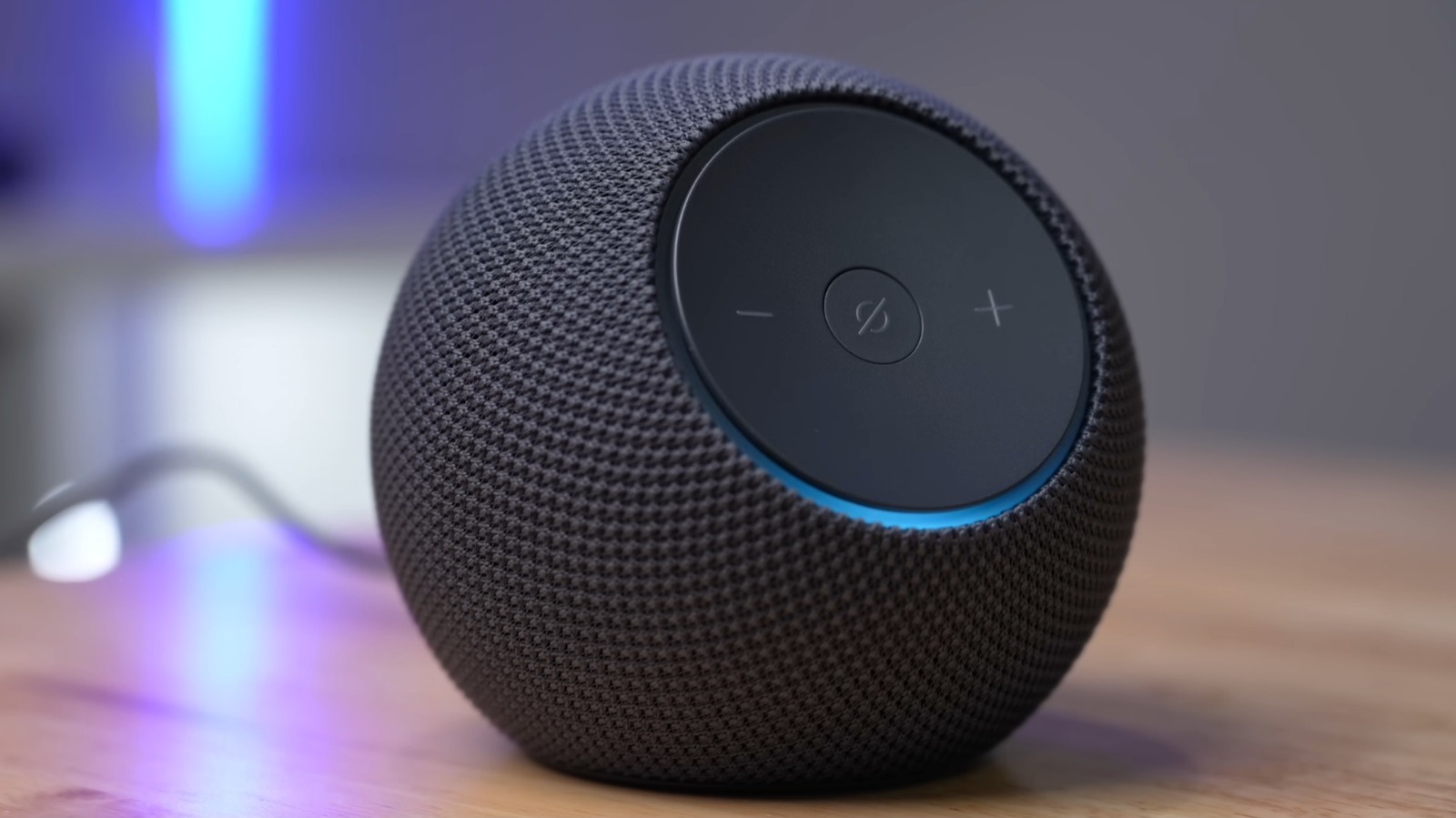
Echo and Fire devices tend to be the headline-makers because they are core to Amazon’s ecosystem and easy to bundle with services. If you use Alexa or Prime Video, cheaper Echo Dots or Fire TV Sticks can genuinely improve everyday convenience without breaking the bank. For casual buyers who have been on the fence, early deals lower the barrier to trying the ecosystem and often come with simple free returns if the gadget is not a fit.
Kindles and Fire tablets will show up in the same pattern, with base models receiving the biggest cuts and storage or bundle upgrades offering smaller relative savings. For readers, a discounted Kindle usually means you can get into the e-reader world without sacrificing battery life or screen comfort. If you need more from a tablet like performance or display quality, be cautious and compare specs rather than just chasing the lowest price tag.
Ring and Blink security gear are likely to be promoted as well, because smart home cameras and doorbells are attractive add-ons for people already buying other devices. Those products can provide real security benefits, but they often require subscriptions for full features, so factor that ongoing cost into any purchase decision. Look at the overall package you are signing up for, not just the initial hardware price.
One smart shopper move is to track prices for a few days so you can spot true discounts and avoid hype pricing that inflates before a sale. Price monitoring tools and historical pricing data help identify whether an item is genuinely cheaper now or merely shuffled around. If you find a device you want and it is at the lowest price you have seen in recent weeks, it is reasonable to pull the trigger.
Remember that Prime membership is built into the promotional strategy, but it is not mandatory to take advantage of every deal. Prime members get faster shipping and occasional exclusive early access, yet non-members can still catch a lot of solid discounts once the broader sale rolls out. If you do shop, check return windows and warranty terms so you are not left with a device that does not meet your expectations.
Watch out for bundle bait where accessories or services are tacked on to make the discount look larger than it really is. Sometimes the core device drops modestly but a pricey accessory inflates the original package. Stick to the product you researched, and ignore the noise around cross-sells and extras unless they genuinely add value for your use.
Finally, consider longevity and compatibility before buying into any ecosystem just because the price is right. Cheaper devices can deliver immediate satisfaction, but software updates, app support, and interoperability with other gear matter over the long run. If you buy with a plan to keep a device for years, a modestly higher investment for a better model can pay off in fewer headaches and longer useful life.
