
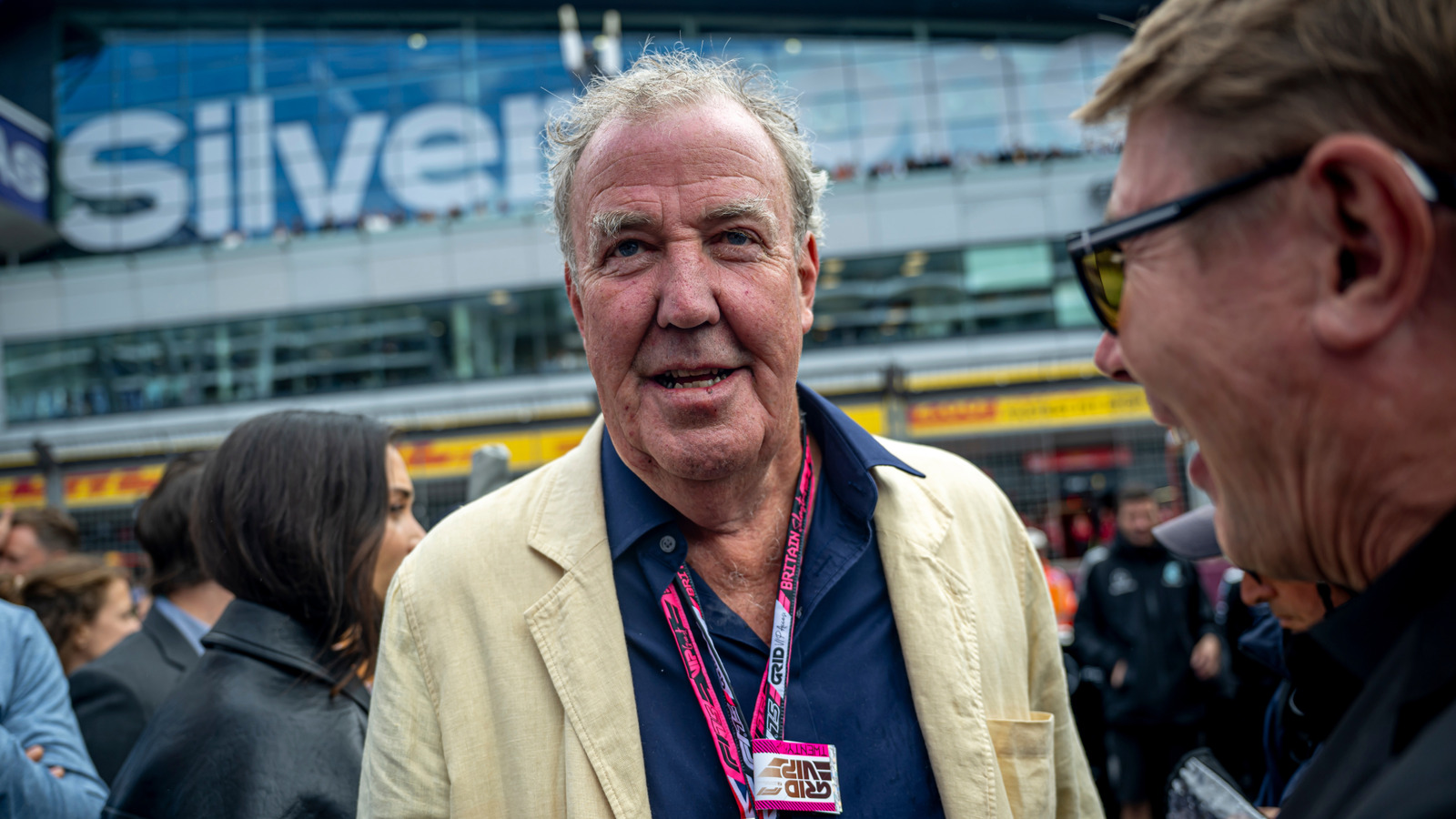
The former Top Gear star has gone public with a prostate cancer diagnosis, using both his TV platform and Instagram to share what he’s been through and what he’s learning. His honesty has jolted fans and sparked conversations about detection, treatment choices, and the realities men face when a diagnosis arrives.
For many viewers the revelation was sudden and hard to absorb, because celebrities often shield their health struggles from public view. Seeing someone familiar speak plainly about tests, scans, and treatment decisions makes the disease feel more immediate and real. That blunt visibility can force people to pay attention to their own risks instead of shrugging them off.
On his show and in Instagram posts he described moments that ring true for anyone who’s faced a serious diagnosis: confusion at first, a flood of questions, and the grind of appointments and decisions. He framed those moments in a way that was both personal and practical, giving fans insight into what a pathway through prostate cancer can look like. That kind of clarity removes some of the mystique and fear around medical jargon and hospital corridors.
Medical choices for prostate cancer vary widely depending on stage, age, and overall health, so his sharing emphasizes that there is rarely a one-size-fits-all answer. Options commonly include active surveillance for slow-growing disease, surgery to remove the prostate, radiation therapy, and hormone treatments when appropriate. Each route carries its own tradeoffs, from recovery time to potential side effects like urinary or sexual dysfunction, and hearing an individual’s play-by-play helps demystify those tradeoffs.
One important ripple from his openness is increased awareness about screening. Prostate specific antigen testing and conversations with a primary physician can catch problems earlier when outcomes are generally better. Public figures admitting vulnerability often prompt people who have been putting off a checkup to pick up the phone and schedule an appointment, and that real-world impact is as meaningful as any awareness campaign.
The emotional side of a cancer diagnosis is seldom as tidy as headlines suggest, and his posts made space for that messiness. He shared the small victories alongside the setbacks and invited fans to see the process without glossy editing. That candidness helps normalize reactions like fear, frustration, and relief, which can be a surprising comfort to others walking the same path.
Support networks also came into focus as he documented friends, family, and medical teams rallying around him, showing how treatment is rarely solitary. Practical assistance—rides to appointments, someone to sit with you during scans, or just a text checking in—matters more than many realize. Viewing that kind of community in action offers a template for how people can respond when someone they love is diagnosed.
Beyond the personal story, the broader message is simple: pay attention and act. When a known figure breaks the silence around prostate cancer, it creates a moment for others to consider their health decisions without shame. If his openness leads even a few men to get checked, ask questions, or speak to family members about screening, the public conversation will have done real, measurable good.
