
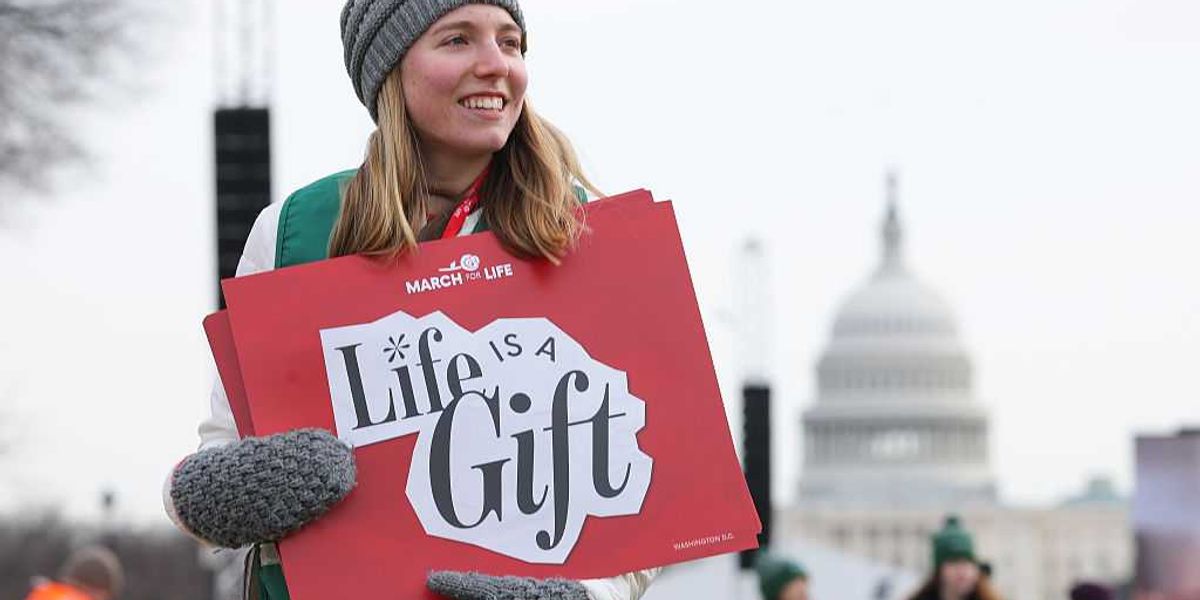
Four years after Dobbs, the fight for the unborn is at a turning point: state-level wins were real but incomplete, the opposition is organized nationally, and Republicans must push for federal protections so every American child counts equally under the law.
The end of Roe was a milestone, but it did not finish the job. Abortion remains the single largest cause of death in the country, and millions of unborn children still lack basic legal protection. Relying only on state politics has left families in certain states exposed while activists expand access elsewhere.
Dobbs recognized that elected representatives at every level may pass laws to protect the unborn, but that ruling did not create a full, nationwide solution. Half the states moved to restrict abortions, yet overall numbers have not declined the way advocates hoped. Treating life as a patchwork right leaves too many newborns and mothers unprotected by geography.
We must extend equal protection and the right to life to all Americans, in every state, no matter how small.
Republicans and the pro-life movement need to stop accepting half-measures. A serious national strategy would set a common floor for protections, such as limits tied to a detectable heartbeat or the point when fetal pain begins. State laws that go further could and should remain in place; a federal baseline would simply prevent the worst outcomes in states that have decided to permit late-term procedures without meaningful limits.
Democrats have been clear about their approach: a national effort to remove limits and lock in broad access. Their preferred federal legislation would override state discretion and create uniform rules favoring unrestricted abortion. That is the very scenario that shows why a leave-it-to-the-states posture is insufficient to protect life nationwide.
The reality on the ground is grim in some places. Late-term abortions happen in states that have taken a more permissive stance, and stories have surfaced that alarm average Americans. Reports of full-term babies discarded and clinics advertising very late procedures have fueled legitimate outrage and a sense that safeguards are needed across the entire country.
Hospitals and clinics that perform third-trimester procedures have faced scrutiny after tragic outcomes. Young women have died following late-term abortions, and questions about care delays and protocols deserve answers. When medical systems fail mothers, the call for accountable, consistent national standards grows louder.
History shows major human-rights victories required national leadership. Abolition and women’s suffrage did not remain local matters until every state voluntarily aligned. If the goal is to end the most egregious injustices, federal action can provide a baseline that prevents states from becoming safe harbors for practices most Americans reject.
Electing leaders who view unborn children as deserving of protection regardless of zip code is the necessary first step. Those leaders must be willing to legislate and sign laws that establish meaningful national limits while leaving room for stronger state protections. Voters should back candidates who make that commitment and follow through in office.
Conservative groups plan to support candidates focused on national pro-life action, and the broader movement must converge on a presidential nominee who will make this a priority. That leader will need to push for the most ambitious federal protections available while articulating a compassionate case for mothers and families.
On the nation’s milestone anniversaries, we recall that founding principles spurred real moral progress. With more than a million unborn lives lost each year, many conservatives argue this is a moral crisis that requires a national response. The task is to translate conviction into laws that protect life in every state.
