
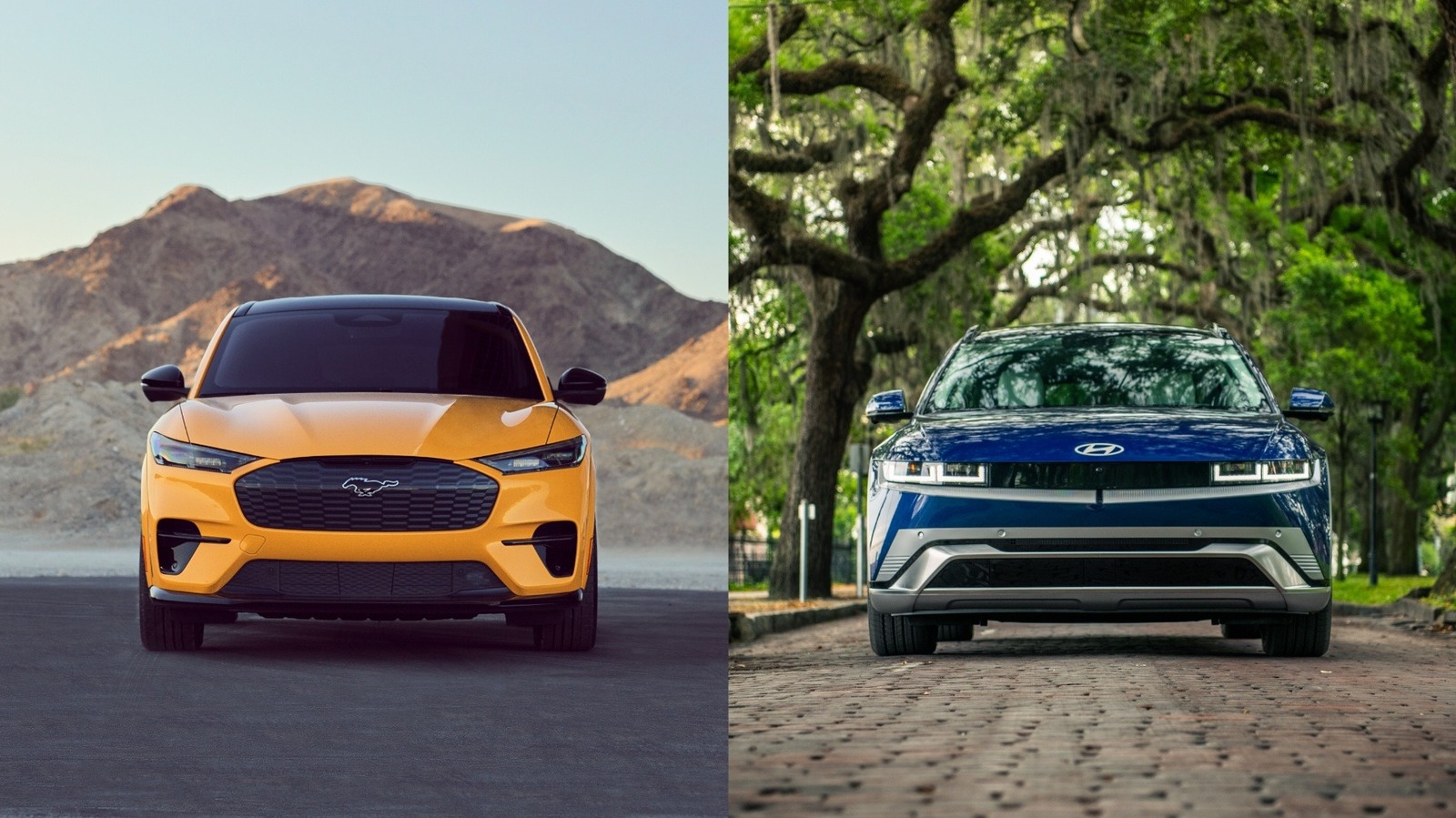
Electric SUVs split neatly into two big directions: one chases maximum range and everyday efficiency, the other chases raw power and dynamic performance. This article walks through what each path delivers, where they cost you time or money, and how to pick the one that fits your life instead of forcing you to fit it. Expect straight talk on range, charging, capability, and the real trade-offs that matter when you drive for hours, tow gear, or just need a dependable family hauler.
On the range-and-efficiency side you get smart engineering aimed at stretching every kilowatt-hour, with a focus on aerodynamic shapes, lighter materials, and software that optimizes energy use. These SUVs often use a single motor or an efficiency-tuned dual-motor setup to squeeze out hundreds of miles between charges, and they reward patient drivers with lower running costs. If your days are mostly commute and errands, and public charging is reliable where you live or you can charge at home overnight, this route is hard to beat for practical ownership.
The performance-oriented SUVs take a different approach, stacking motors and batteries to deliver brutal acceleration, impressive towing capacity, and confident all-wheel traction for rough roads or snow. They trade some real-world range for instant torque and capability, which means you can sprint past traffic or tow a trailer without feeling compromised. Drivers who prioritize spirited driving, weekend adventures, or maximum capability will appreciate the visceral feel and flexibility, even though it adds weight and shortens time between charges.
Charging behavior and infrastructure change the calculus in important ways, because the efficiency-minded models make each charging stop last longer while the performance models hit chargers more often but tend to be compatible with fast charging that minimizes dwell time. Fast DC chargers give performance SUVs a quick top-up, but frequent fast charging can accelerate battery degradation if it’s the only way you use the vehicle. Consider not just range numbers but usable range in your climate and how often you’ll rely on long-distance runs versus overnight home charging.
Towing, hauling, and real-world payloads expose more differences than straight-line speed tests do, since heavier loads magnify the energy penalty of a performance setup and cut into the range advantage of efficient designs. Some performance models offer impressive towing specs thanks to torque and cooling systems, yet towing at highway speeds will always be more punishing on the battery than light commuting. For buyers who plan to tow regularly, look at manufacturer towing-rated ranges and owner reports about real-world energy use rather than just the headline EPA figures.
Cost and ownership math matter: performance-oriented electric SUVs often start higher and carry larger battery packs and more complex drivetrains, which can mean higher upfront prices and potentially steeper repair costs down the road. Efficiency-focused models typically have simpler powertrains and lighter batteries sized to match realistic daily use, delivering lower total cost of ownership for many drivers. Factor in incentives, local electricity rates, insurance differences, and the resale trajectory for the specific models you’re considering when doing the comparison.
When you shop, prioritize a test drive that includes the conditions you actually face—highway merges, loaded cargo, steep grades, and cold starts if winters matter where you live—so you can feel the difference between smooth, measured efficiency and the snap of performance tuning. Check charging options at home and along the routes you take most, review real-owner forums for practical range data, and weigh how often you’ll use heavy-duty features versus daily economy. A spreadsheet helps, but honest driving experience will reveal the trade-offs in a way numbers alone cannot.
Your choice ultimately comes down to lifestyle: pick the efficiency-focused SUV if you want the maximum daily range, lower running costs, and a vehicle that slips through traffic without drama; choose the performance-focused option if you crave capability, acceleration, and the flexibility to tow or tackle rough terrain without compromise. Either path gives you the benefits of electric drivetrains—instant torque, quiet operation, and fewer moving parts—so decide which compromises you can live with and which features you can’t.
