
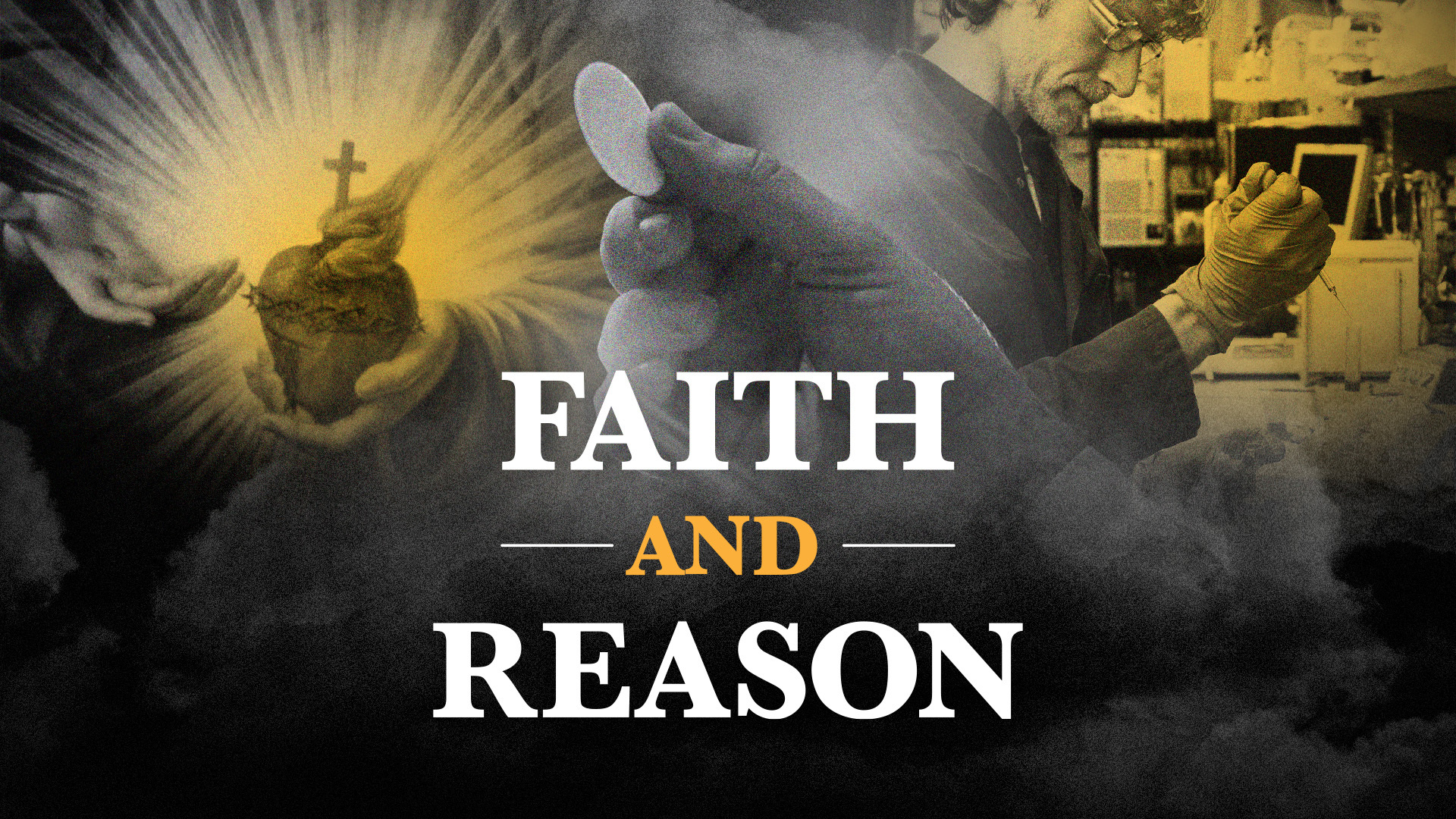
The recent public recitation of the Hail Mary by a French politician and a renewed Sacred Heart effort by U.S. bishops highlight a broader moment where religious conviction is bumping up against a secular public square, sparking debates over sacraments, personal conscience, and visible faith in public life. This piece explores how these gestures fit into ongoing fights over Holy Communion, abortion, and the place of faith in sports and politics, and considers what it means for believers who feel called to a public witness. The tone is neutral and observational, reflecting the rising tension without endorsing a single political stance.
A French politician publicly praying the Hail Mary became a vivid image in a European culture already debating religious presence in civic life. That single act did more than signal private devotion; it turned into a provocation for some and a rallying symbol for others, illustrating how faith gestures can be read as political statements. Public prayer now often functions as both spiritual practice and public rhetoric.
Across the Atlantic, U.S. bishops have launched a Sacred Heart initiative aimed at spiritual renewal and moral clarity within the Church and beyond. Their campaign mixes devotional practice with calls for cultural engagement, seeking to re-anchor believers around shared symbols and teachings. It is less an electoral project than an attempt to shape public conscience through sacramental language and communal prayer.
At the center of many disputes sits Holy Communion, treated by some as exclusively pastoral and by others as an object lesson in public fidelity. Questions swirl over who should receive the Eucharist and on what terms, turning communion into a flashpoint where theology and civic expectation collide. Those clashes reflect deeper unease about how private belief translates into public action.
Abortion remains a defining issue that colors many of these discussions, raising hard questions about conscience, law, and moral responsibility. For religious leaders and laypeople alike, debates over policy often fold into debates over identity and the duties of public office. The result is a landscape where moral conviction cannot easily be separated from political consequence.
Sports and similar public arenas have become unexpected stages for religious witness, with athletes, coaches, and commentators offering prayers or symbols in moments of high visibility. These acts prompt spirited responses: some see them as authentic expressions of faith, others as inappropriate mixing of religion and spectacle. Either way, the phenomenon shows that cultural influence now extends far beyond pulpit and parish.
Political life too has absorbed ritual and prayer, as legislators and candidates increasingly frame positions through moral and religious language. When public officials invoke sacred texts or gestures, they invite scrutiny about the boundaries between personal belief and public duty. The tension is not new, but it has intensified as cultural institutions compete for moral authority.
Secular institutions often react to visible expressions of faith with policies meant to preserve neutrality, yet those policies can feel like erasure to observant citizens. This push and pull creates uncertainty about acceptable public behavior and breeds a sense among some religious people that their convictions must be defended more vigorously. Such dynamics fuel a culture war narrative on both sides.
For Christians navigating this terrain, the challenges are practical as well as spiritual: how to remain faithful without alienating neighbors, how to testify convincingly without turning every act into a battleground. Many find that clear, calm witness rooted in ritual and charity can be persuasive where sharp rhetoric fails. Still, the risk of misunderstanding remains high when symbols are read as slogans.
Symbols like the Hail Mary or the Sacred Heart function as anchors for communities that feel disoriented by rapid cultural change, offering language for both grief and resistance. They can mobilize believers and provide a common script for entering public debates, supplying moral vocabulary when secular institutions appear morally rootless. These devotional practices are not merely nostalgic; they are active tools in civic life.
Legal rights and public policy shape the backdrop for all these encounters, setting parameters for how faith can be expressed in schools, workplaces, and government. Knowing those boundaries helps faithful citizens engage strategically, whether through litigation, advocacy, or quiet witness. The intersection of law and belief will continue to determine which public acts are permissible and which remain contested.
Whatever the next chapter brings, visible acts of faith will keep prompting questions about authenticity, authority, and the place of religion in shared civic space. Those debates will play out in parliaments, pews, stadiums, and courtrooms, and they will keep forcing a rethink of how private devotion becomes public discourse. The conversation is far from settled, and its outcomes will shape how communities live together in the years ahead.
