
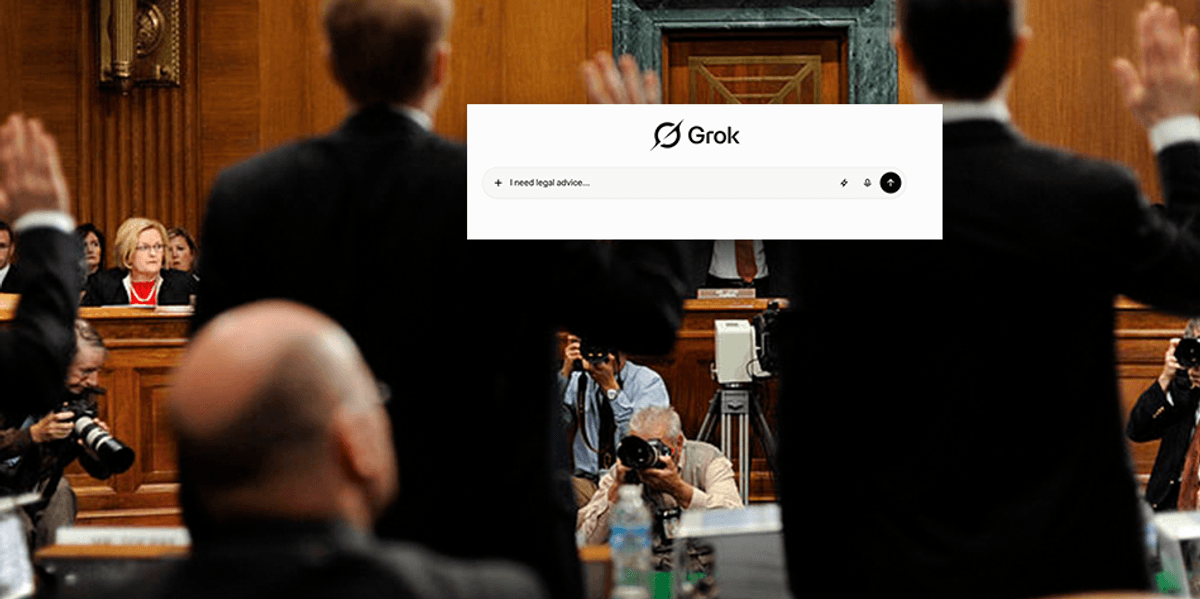
A federal judge in Mississippi scrubbed a routine fee fight into a cautionary tale after spotting fabricated legal citations generated by artificial intelligence. Lawyers on both sides submitted briefs that relied on made-up authorities, then admitted they had not verified the AI outputs. The court reacted with sanctions and warnings about the risks of treating AI as a substitute for lawyer judgment.
The dispute began as a standard claim over attorney fees after a prior matter, with Tom Withers III seeking payment and the city of Aberdeen contesting liability. Local counsel and special attorneys signed papers that put the issue squarely before the federal court. What looked like a short administrative sequence quickly escalated when the court scrutinized the submitted legal authorities.
Reviewers found multiple citations in filings that did not exist anywhere in the reported law, a problem the judge described as coming from hallucinated AI output. Both the lawyer seeking fees and the municipal lawyers filed documents containing those bogus citations. The presence of identical types of errors on both sides made the misconduct especially glaring to the bench.
At a subsequent hearing, several attorneys acknowledged varying degrees of reliance on generative tools without sufficient verification. One attorney admitted using an AI service for legal research, and another admitted drafting with generative AI and failing to check the work before filing. Two other lawyers confessed they had not actually reviewed the finalized filings but had electronically signed and submitted them anyway.
Judge Sharion Aycock, a senior judge for the Northern District of Mississippi, said the filings wasted scarce court time and resources and sharply criticized counsel for lapses in professional duty. Her comments focused on the gap between technology’s seductive output and the lawyer’s duty to ensure accuracy. The rebuke was aimed at the practice of letting unverified machine-generated content pass as vetted legal work.
‘A prime example of the risk associated with serving as a rubberstamp.’
Her written opinion went further, framing the incident as part of a broader pattern she is seeing in contemporary practice. “In an era of rampant unverified AI usage within the legal field, this case presents a prime example of the risk associated with serving as a rubberstamp when acting as local counsel.” The point was clear: tools can produce words, but lawyers must attach responsibility to what they sign.
“This Court is yet again ‘burden[ed] [with] addressing AI hallucinations in court filings.’ … While ‘[g]enerative technology can produce words,’ it cannot attach ‘… sincerity, truth, or responsibility to what it writes. That remains the sacred duty of the lawyer who signs the page.'”
The court moved from admonishment to punishment, imposing monetary penalties and professional consequences to deter repeat behavior. Sanctions assessed ranged across several thousand dollars and included temporary limits on practice in that district for some attorneys. The measures were designed to reinforce the expectation that counsel must independently confirm authorities before asking a court to rely on them.
On X, lawyer Rob Freund that among the sanctions placed on the lawyers, they were handed fines ranging from $1,000 to $3,500 and a disqualification from practicing in the district for two years.
The episode serves as a reminder that legal drafting still requires human judgment, not just technological polish. Courts are increasingly prepared to penalize careless reliance on unverified AI output, and lawyers who treat automation as a shortcut risk both their clients and their professional standing. Expect judges to ask tougher questions about how citations were found and who actually checked the work before it hit the docket.
https://x.com/RobertFreundLaw/status/2064189738781900911
