
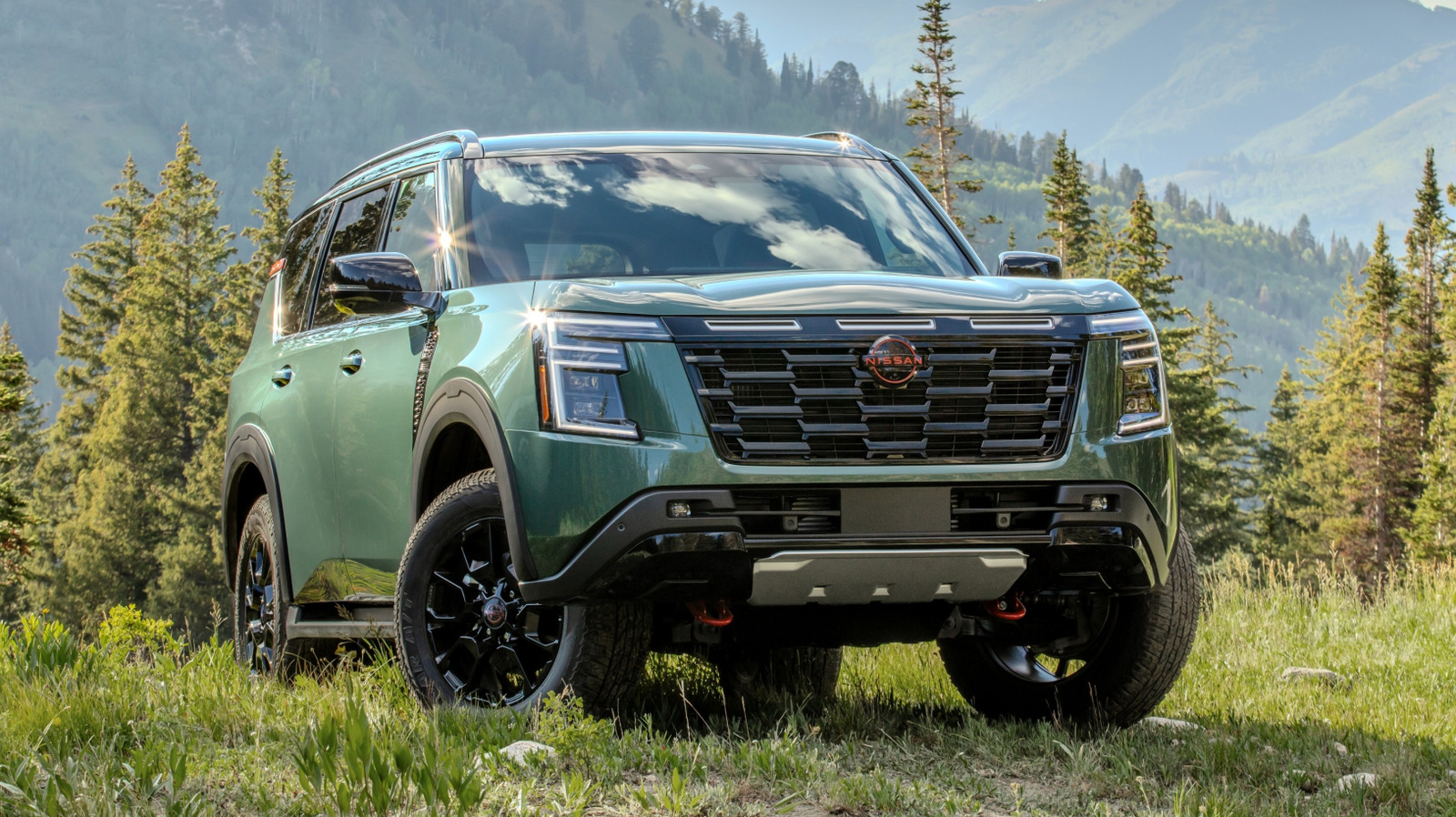
SUV value matters whether you’re buying new, trading up, or planning resale in a few years. This piece breaks down why some SUVs keep cash in your pocket while others evaporate in value, names a handful of steady performers and frequent losers, and offers practical ownership moves to protect resale without sounding like a lecture.
Depreciation eats at vehicle ownership like rust: slow, relentless, and expensive if you ignore it. For many buyers the sticker price is only the beginning; what a car is worth three to five years down the road shapes real cost of ownership more than monthly payments.
Some SUVs resist that slide because they answer real, persistent needs: rugged off-road ability, long-term reliability, or a reputation that buyers trust even on the used market. When a model consistently delivers low maintenance bills and strong demand, dealers and private buyers both bid up used prices and depreciation slows to a crawl.
Brand matters, but so do configuration and rarity; a basic trim with durable components often outsells an overloaded, perishable luxury option when it’s time to turn it into cash. High-demand body types like two- or three-row utility, plus utility that doubles as weekend play — towing, trail clearance, simple electronics — often keep value where flashier rivals fall behind.
Practical examples of SUVs that commonly hold their value include rugged and reliable models like the Toyota 4Runner, the Jeep Wrangler, and the Toyota Sequoia, along with premium-but-proven entries such as the Lexus GX and stalwart crossover favorites like the Subaru Outback and Toyota RAV4. These names tend to surface in resale studies because they combine reputation, parts availability, and steady buyer demand across markets.
On the flip side, luxury-packed European SUVs and highly optioned models often take steeper dives. Rapidly aging infotainment, expensive maintenance bills, and layers of electronics that cost a fortune to repair can make high-end badges lose their shine quickly in the used market, where buyers are hunting reliability rather than the latest concierge features.
Models that frequently show faster depreciation include high-end luxury SUVs such as certain BMW X-series and Mercedes-Benz GLE/X models, along with some Audi and Land Rover variants, plus extended-wheelbase or niche luxury crossovers that suffer from limited used-market demand. These vehicles can be lovely new, but when warranty limits expire and repair costs appear, values tend to fall more sharply than their mainstream rivals.
If you want to protect resale value, think like a buyer who will shop your car later: choose tried-and-true color palettes, prefer proven engines over experimental tech, and treat maintenance records like gold. Regular servicing, documented repairs, and avoiding aftermarket mods keep a vehicle attractive to a wide audience and reduce the discounts buyers demand for risk.
When shopping used, favor certified pre-owned programs for peace of mind and better resale notes, and always get an independent inspection that focuses on suspension, drivetrain, and electronics. Timing also helps: buying at the end of a model run, after a redesign, or when incentives have pushed lots of new stock can improve your position when it’s time to sell, as long as you choose models with proven long-term appeal.
Lease vs buy choices matter too; if you’re sensitive to depreciation, leasing can shield you from value risk but never builds equity, while buying a reliable model with slower depreciation is the classic path to lower lifetime cost. Think about how long you’ll keep a vehicle, which features you really need, and how much out-of-pocket repair risk you’re willing to accept before you pick one that suits both your life and your wallet.
