
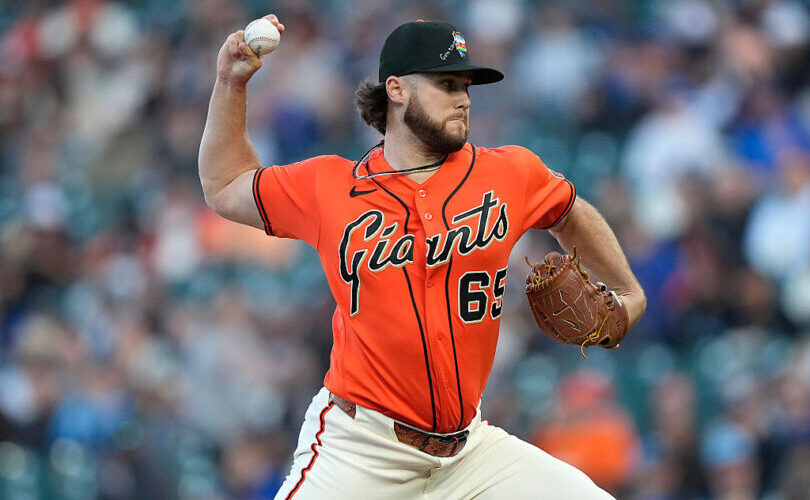
Landen Roupp wrote Genesis 9:12-16 on his team’s ‘Pride’ ball cap to take back the rainbow from LGBT activists. This move landed squarely in the culture wars, turning a baseball accessory into a statement about faith and identity. The following piece explores why that mattered, how people reacted, and what it says about free expression in public sports.
The image of a player handwriting a Bible verse on a team cap breaks the usual script of carefully vetted, sponsor-friendly game night gear. It was never subtle; it was intentional and aimed at reclaiming a symbol many conservatives feel has been co-opted. For fans who favor religious expression, the act felt like a small, defiant stand against a dominant cultural narrative.
On the other side, activists and some media outlets framed the gesture as confrontational and exclusionary, calling attention to the tensions that spring up when private belief collides with public events. That reaction was predictable, because modern identity politics treats symbols like property. Once you treat a symbol as owned by a single group, any alternative use becomes a provocation.
But there is a straightforward argument in favor of what Roupp did: public spaces and cultural symbols should not be monopolized by one viewpoint. When athletes step into the spotlight, their expressions carry weight, and those expressions can reflect deeply held convictions without violating anyone else’s rights. The principle at stake is simple: freedom to express belief should be protected even when it makes others uncomfortable.
Baseball has long been a stage for personal statements, from numbers and wristbands to pregame rituals, and players have used that stage to support causes across the political spectrum. That variety reflects a pluralistic public square where ideas compete. For many Republicans and conservatives, the right to display religious symbols or scriptures during public moments is as important as any other form of speech.
Critics argue such gestures can alienate teammates or fans and create divisive moments in what is supposed to be entertainment. That is a fair concern when actions deliberately demean others, but writing a verse on a cap does not inherently attack anyone; it affirms a belief. The line between affirmation and aggression is where most of these arguments turn, and in this case the balance leaned toward personal expression rather than hostility.
The reaction from the team and the league will be the real test of how institutions handle competing claims in the public eye. If churches, charities, and advocacy groups can show up with banners and messaging, players who express faith deserve equal latitude. What fans should be asking is whether punishment or censorship is really the answer when someone simply asserts their faith in a visible but nonviolent way.
At its heart, this episode is about more than one cap or one verse. It’s a snapshot of a broader cultural negotiation over symbols, religion, and free speech. The rainbow will mean different things to different people, and the healthiest response from society is to tolerate a diversity of meanings rather than insist on single ownership. That principle keeps public life open and honest without silencing sincere expression.
