
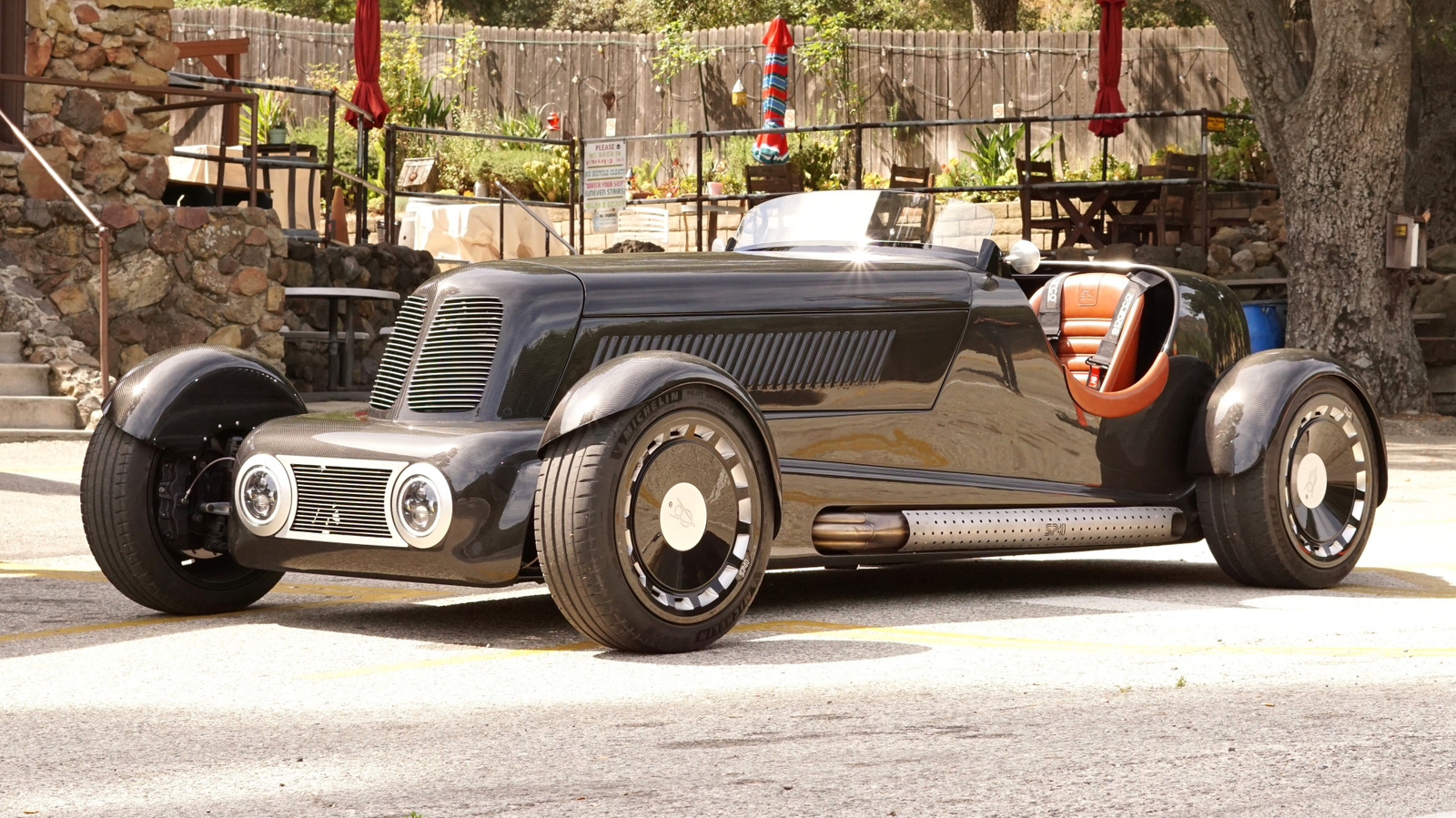
The SP40 Restomod Roadster is a bold carbon-fiber reinterpretation of a classic silhouette that forces you to weigh looks, materials and performance against a hefty price tag. This piece walks through design choices, engineering details, driving character and market fit to figure out whether the craftsmanship and modern upgrades truly earn the premium. Expect clear takes on what makes this machine special and where buyers might pause.
The body is unapologetically modern, wrapped in carbon fiber that shaves weight and delivers a crisp, angular presence. The aesthetic is purposeful rather than nostalgic, blending vintage cues with aggressive, contemporary proportions. That mix will split opinions, but it gives the SP40 a distinct identity among restomods that lean either retro or radical.
Underneath the skin, every decision chases a single idea: optimize the classic experience for present-day performance. Lightweight construction, updated suspension and modern braking components bring a responsiveness that older hardware simply cannot match. The result is a car that feels sporty and planted, not just a pretty plaything for show circuits.
Powertrain choices matter here because they define the character you’ll actually live with on twisty roads and long weekend runs. Engineers tuned the setup to offer immediate throttle response and a strong midrange, prioritizing usable power over headline-grabbing peak numbers. That makes the SP40 rewarding to drive in real conditions rather than just impressive on paper.
Inside, craftsmanship aims to justify the premium with tactile materials and a focused driver environment. Seats hold you without feeling like a race-rig and controls are arranged for clarity, not clutter. Modern conveniences are present but discreet, keeping the cabin sincere and driver-centric instead of overstuffed with gimmicks.
Cost is the elephant in the room. Carbon fiber, bespoke panels and hand-built assembly create a price that will make casual buyers take a step back. The question isn’t just whether the engineering is impressive, it’s whether that engineering aligns with buyer expectations about rarity, brand cachet and long-term value. For collectors, that calculus looks very different than for someone buying a weekend car.
Comparisons to other restomods are inevitable and useful. Some rivals trade authenticity for economized production, while others chase pure performance with modern powerplants stuffed into old shells. The SP40 occupies a middle lane—emphasizing quality of execution and material excellence rather than aggressive power saturation or strict period correctness.
Practicality plays a subtle role in the SP40’s appeal. It’s not a daily driver, and that’s okay—the car was designed for experience over convenience. Still, engineers did not ignore usability: the package is manageable on public roads and predictable at speed, which broadens its usability beyond polished show floors and private collections.
Resale prospects hinge on a few factors: production numbers, provenance and how well the car communicates its story to potential buyers. Low volume and disciplined design language help, but the market for high-end restomods is fickle and tastes change. A thoughtful buyer will weigh those risks against the immediate enjoyment the car offers.
At its core the SP40 is about a thesis—take classic appeal, strip away compromises, and rebuild with modern techniques to create something that feels both new and familiar. If that idea resonates, the price tag becomes part of the package rather than a barrier. If it doesn’t, even impeccable engineering can feel like gilding on an expensive experiment.
Critics will point to the premium and ask if a modern sports car could offer better outright value. Supporters will counter that this is about character, material honesty and a focused driving sensibility that mass-produced rivals rarely match. Either way, the SP40 makes a vivid argument for why restomods remain one of the most interesting corners of automotive culture.
