
Hard times and bright breakthroughs sit side by side: this piece looks at the heavy cultural currents weighing on Christians, a surprising spike in mass baptisms at Church of Eleven22, the message Rick Burgess brings on his Strange Encounters podcast, and how young people are responding to a world that often feels empty.
Right now a lot of believers feel like the world is tilted toward chaos. The scale of abortion in the U.S. and the rise of occult practices, trafficking, and persecution paint a bleak picture for many. That landscape feeds real anxiety and a sense that depravity is everywhere.
Still, not everyone is surrendering to despair. Some religious leaders and observers are noticing signs of revival, especially among young people who are turning away from what they find hollow. Those pockets of hope are grabbing attention because they contrast so sharply with the darkness many describe.
One voice pointing to that contrast is Rick Burgess, host of the Strange Encounters podcast. He frames the current moment as spiritual pushback against a culture that sometimes seems to celebrate the very things that leave people hollow. Burgess insists the spiritual reaction is real and measurable.
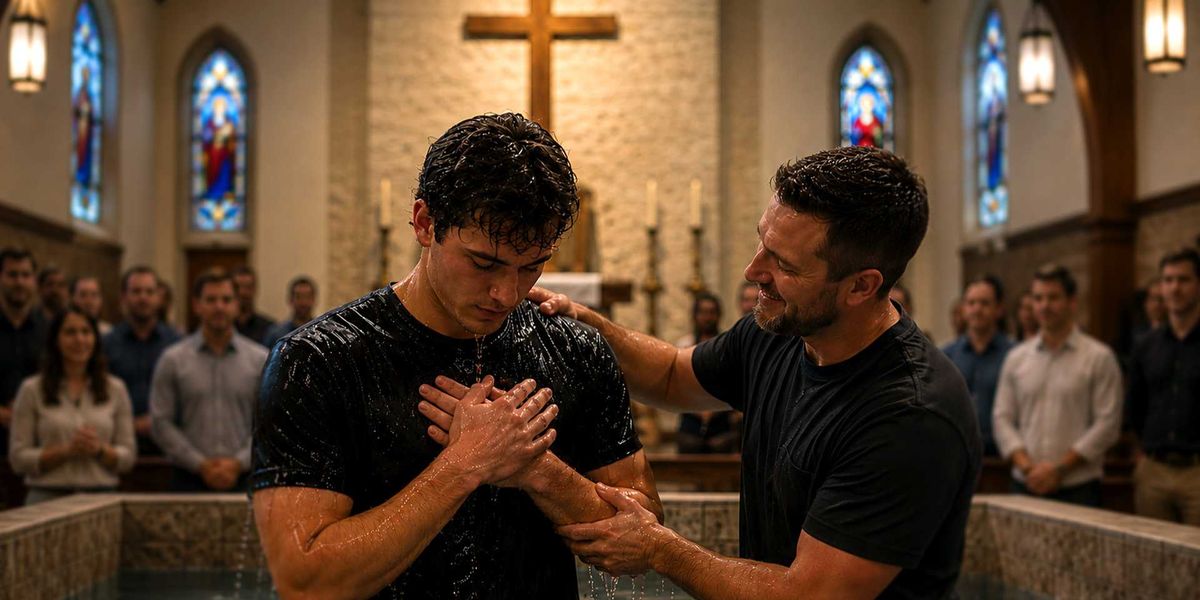
A vivid example comes from Joby Martin’s Church of Eleven22 in Jacksonville, Florida, where tens of thousands gathered for their beach baptism event. Over 14,000 people came together, and an astounding 2,552 were baptized in a single day, a record for the 14-year-old church and a big jump from nearly 2,000 the previous year. Those numbers are impossible to ignore when you’re talking about public displays of faith.
“[Martin] said that these were numbers that they had not seen before, and most of these people were young people,” he says. The age skew is notable because it challenges a common narrative that younger generations have abandoned traditional faith. Seeing youth show up in such large numbers changes the tone of the conversation.
Rick Burgess interprets these moments as spiritual counterpunches. “ [Satan] always overplays his hand, and what he’s doing right now with this revival of evil — it’s actually working detrimentally against his plan,” he says. That line suggests the cultural excesses that shock or hollow people can also drive them toward searching for something deeper.
He doubles down on that idea with a direct read of generational reaction. “Now we have a generation of young people … they’ve looked at this overplaying of evil’s hand and saying, ‘If this is the best that a fallen world can offer me, I don’t want it. I’m going to Jesus,”’ he continues. Burgess sees a pattern: exposure to empty or harmful offerings can push people to seek meaning in faith.
The Eleven22 baptisms fit into a broader pattern Burgess and others are tracking: visible, public acts of recommitment that signal spiritual momentum. For church leaders, those tall baptism numbers are more than stats; they’re evidence of people choosing a different path. That reality forces a recheck of assumptions about where spiritual energy lives.
Moments like the beach baptism are less about spectacle and more about witness—thousands congregating to cross a line from old life into something new. They can cut through cynicism because they’re tangible, communal, and unmistakable. To hear more, watch the full episode above.
