
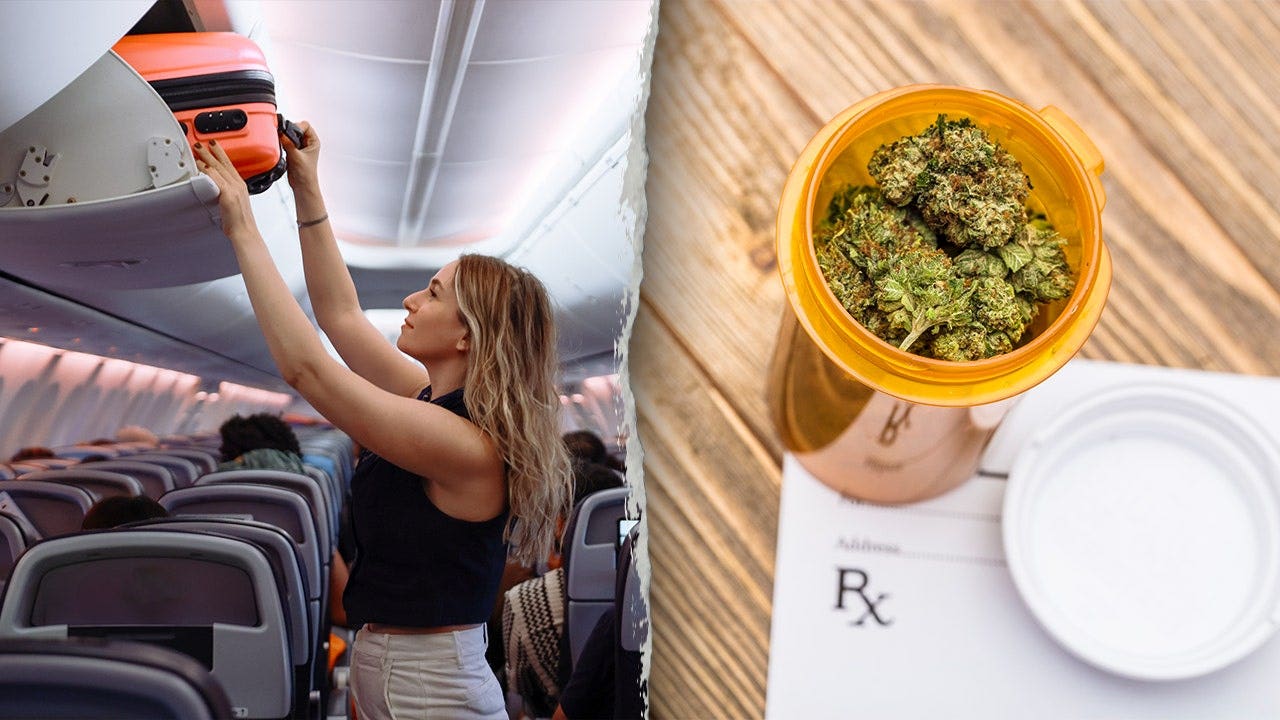
The Transportation Security Administration updated its guidance to clarify that people carrying medical cannabis can bring it through checkpoints and in checked bags, while experts urge caution about using it during flight and stress preparation, legal awareness and medical continuity when traveling with controlled medicines.
The TSA change makes clear that patients who rely on cannabis for chronic pain, anxiety, nausea or other qualifying conditions may travel with their medication to use at their destination. That shift reflects the growing role cannabis plays as a prescribed therapy for many people, but it does not rewrite state or federal laws. Travelers should understand that TSA’s role is security screening, not enforcing local drug statutes.
“For most patients, the goal isn’t to use cannabis on the plane. It’s making sure they have access to their medicine when they arrive,” Professor Rob Mejia of the Stockton University Cannabis Studies Department said, and that point underscores a simple travel rule: separate the trip from the treatment. Using your medication is best reserved for when you are settled and familiar with your surroundings, not during the hustle of airports or the tight quarters of a cabin.
Airlines ban smoking and vaping outright, and even edibles can act in ways you might not expect at altitude, so trying a new product mid-journey is risky. “An airport or airplane is not the place to test a new product or take a dose you are not accustomed to,” Mejia advised, and that applies whether you’re aiming to calm nerves or manage chronic symptoms. Familiarity with dose and formulation is the safeguard against unpleasant surprises like overwhelming sedation or anxiety.
Clinical studies point to real physiological concerns. Cannabis use can alter heart rhythm regulation and increase the heart’s oxygen demand, and combined with the cardiovascular effects of altitude this may raise the chance of acute distress. Symptoms such as severe nausea, dizziness and hyperventilation can worsen rather than improve when unpredictable or high-potency doses are used at cruising altitude.
“The overall goal should be continuity of care during travel, not medicating at 35,000 feet,” Mejia said, and that captures the practical takeaway: plan like any other medical treatment. Pack supplies in clearly labeled containers, carry documentation if you have it, and keep emergency contacts and your prescribing clinician’s information handy. Being organized reduces hassle and helps medical personnel if something goes wrong.
Legality is the next big item. A checkpoint does not create legal cover: “A TSA checkpoint is not a legal shield from state or local enforcement,” the expert noted. TSA agents are screening for threats first; if an item raises suspicion they can refer it to law enforcement, so travelers should know the rules at both origin and destination and avoid assuming uniform enforcement.
“If your cannabis looks legitimate, labeled and professionally packaged, you’re less likely to raise questions.” “If your cannabis looks legitimate, labeled and professionally packaged, you’re less likely to raise questions than if you’re carrying a bag of mystery gummies and a handful of loose flower,” Mejia added. Those two lines are a blunt nudge toward common sense: packaging, clear labels, and organized documentation reduce the chance of confusion and confrontation at security.
International travel with cannabis introduces greater peril. Laws vary wildly and penalties can be severe, so the safest choice for trips across borders is to leave cannabis at home. Even in countries that have legalized possession for residents, rules for visitors can differ substantially, so check local law long before you pack and consider alternative strategies for symptom control while abroad.
