
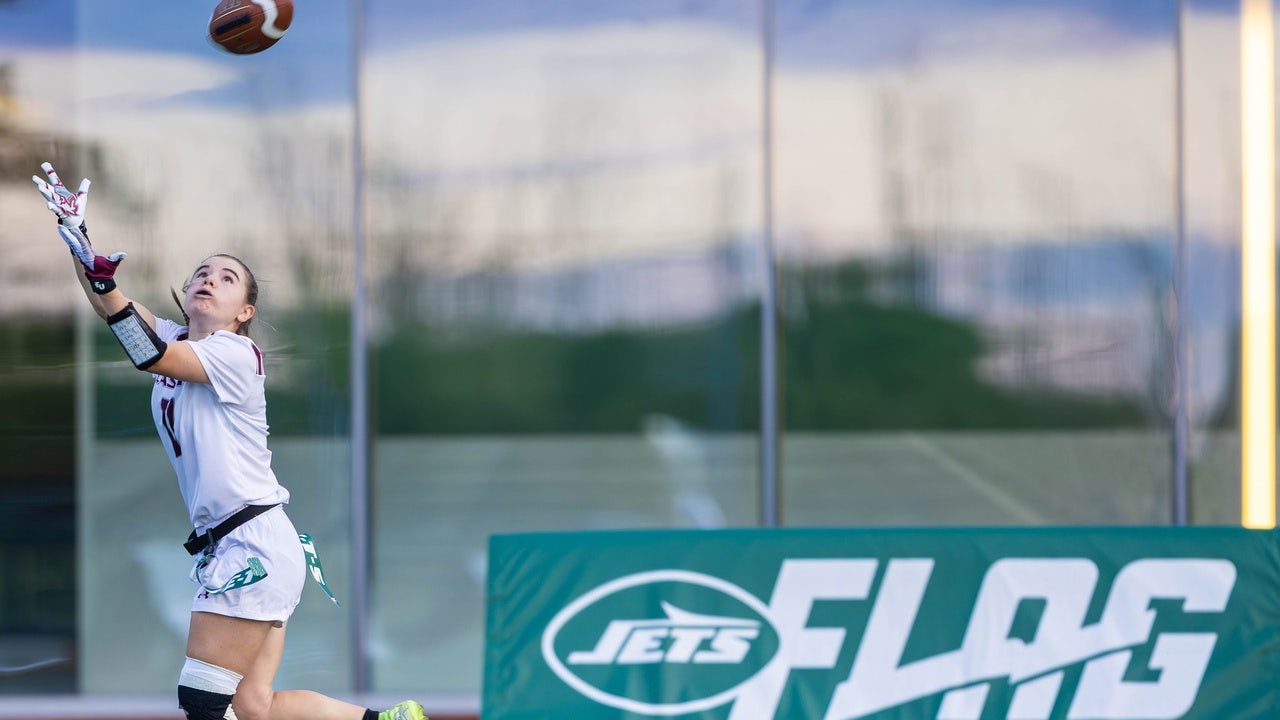
New Jersey’s decision to make girls flag football an official high school varsity sport marks a major step in turning long-running grassroots work into lasting, funded opportunity. This piece traces how local effort, professional support, and steady investment combined to create a clear pathway from school fields to college programs and beyond.
The vote that made girls flag football the 35th sanctioned varsity sport in New Jersey was quick, but the push behind it stretched over a decade. Parents, coaches, teachers and students chipped away at barriers, showing up at meetings, building teams, and insisting a girl’s place on the field was not negotiable. That steady presence turned possibility into policy.
Sanctioning does more than recognize the game; it creates structure. Varsity status unlocks consistent budgets, scheduled seasons, certified coaching and clear leagues, which turn a fleeting pilot into something a student can depend on. When a sport is treated as serious, the pipeline from youth to collegiate to national levels actually works.
Football has always been a connective force in communities, and flag football fits that role while expanding access. Where boys’ tackle programs have dominated attention and resources, girls’ flag football introduces a parallel route that values safety and skill without limiting competition. That kind of inclusion reshapes what youth sports can look like across towns and districts.
The investment behind the sport has been practical as well as symbolic. Since 2011, a sustained effort supported hundreds of teams and thousands of young women, growing from a handful of schools into leagues that span regions. What started as a trial in local public schools ballooned into a movement that required organizers and funders to scale up facilities, training and administration.
SERENA WILLIAMS, ICE CUBE, OTHERS IN TALKS WITH NFL FOR POTENTIAL PRO WOMEN’S FLAG FOOTBALL LEAGUE: REPORT The conversation about pro opportunities for women’s flag football reflects the larger arc from youth programs to an ecosystem with professional and international stages. Seeing those conversations happen publicly helps players imagine futures that extend past high school fields.
New Jersey’s recent vote caps a five-year push in that state, but it’s part of a wider expansion that began with a modest eight-school league. Within two years that league swelled to more than a hundred schools and a thousand athletes, moving beyond one county to cover a whole state and neighboring regions. Those numbers prove a steady demand, not a flash in the pan.
The strategy has been to treat girls flag football like any other varsity sport: provide coaching pipelines, schedule predictable competition, and secure funding so programs survive leadership changes. That approach created a replicable model that other schools could follow without reinventing the wheel. Officials and athletic directors who saw the benefits started clearing fields and calendars.
ELI MANNING TAKES ON YET ANOTHER JOB AS HE TEASES POSSIBLE OLYMPIC APPEARANCE Philanthropic partners and foundations played a central role, making grants that helped launch collegiate leagues and support youth teams. Those dollars not only paid for equipment, they underwrote partnerships that connected high school athletes to college recruiting and to national-level opportunities. Investment matters, but so does smart deployment.
Flag football’s inclusion on the 2028 Olympic program makes the pathway from local fields to global competition tangible. Varsity recognition is the essential first step that ensures the route is reliable and open to more girls every year. With nearly 160 New Jersey high schools expected to field teams next season, the moment looks more like system change than an isolated victory.
This progress hasn’t been owned by any single group. It belongs to parents who advocated in gymnasiums and school boards, to coaches who built teams from scratch, to athletic directors who found room in crowded schedules, and to students who proved demand with every snap and score. The work continues, but the field is now officially theirs.
