
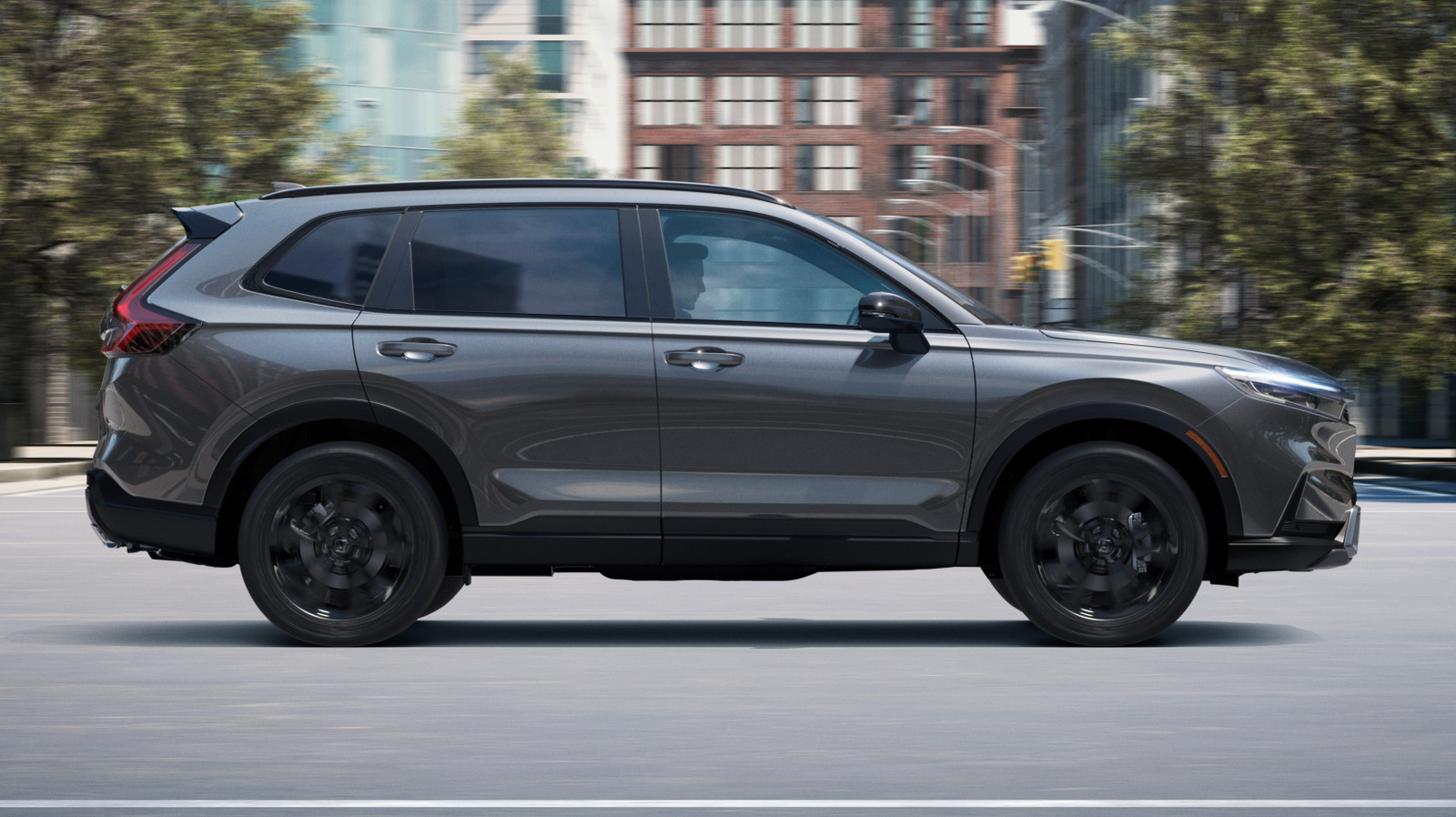
The Honda CR-V has become a fixture on American roads, selling over 400,000 units in the U.S. for 2025, and that scale changes everything from maintenance demand to resale values. This piece looks at what such dominance means for drivers, garages, and the wider auto market.
When a single model sells in the hundreds of thousands, you notice the ripple effects. Tire shops, service centers, and parts suppliers suddenly see predictable demand patterns tied to CR-V maintenance intervals. That leads to more aftermarket options and competitive pricing for common items like brakes, filters, and tires, which is a win for owners who want to keep costs down.
Fuel economy and everyday utility help explain the CR-V’s popularity. It hits the sweet spot between a compact car and a full-sized SUV, giving people cargo space without the heft or thirst of larger trucks. That balance drives broad appeal across commuters, families, and occasional road trippers who prioritize reliability and sensible operating costs.
From an infrastructure point of view, hundreds of thousands of CR-Vs on the road affects traffic patterns and parking needs. Cities and suburbs feel this when demand for curb space, EV charging stations, or service lanes rises. Planners and businesses respond by adjusting parking layouts, service capacity, and retail offerings to match the vehicles most common in their area.
The used-car market also shifts when a model is that common. Plenty of trade-ins mean a steady supply of used CR-Vs, which keeps prices competitive and makes the model an easy choice for buyers watching their budget. At the same time, parts availability tends to stay high since manufacturers and aftermarket companies prioritize stocking components that move fast.
Insurance and safety data follow volume, too. With more CR-Vs sold, insurers gather richer loss histories and can price coverage more accurately. Manufacturers feed crash data back into safety improvements and recall decisions, which can benefit future owners but also put pressure on automakers to be transparent and proactive when issues surface.
Environmental and technological trends are reshaped by popular models as well. As Honda broadens CR-V powertrains to include hybrids and electrified options, those versions become more visible and accessible to mainstream buyers. That gradual shift nudges the market toward cleaner drivetrains without forcing dramatic lifestyle changes for people who already trust the CR-V nameplate.
For independent mechanics and regional dealers, the CR-V boom represents opportunity and responsibility. They need the tools and training to service modern variants while managing higher throughput. Well-equipped shops that can handle routine wear items and more advanced hybrid systems will be the ones that thrive as this model continues to account for a significant slice of U.S. car ownership.
Supply chains feel the pressure and the benefit from such concentrated demand. On one hand, suppliers can achieve economies of scale for high-volume parts; on the other hand, any disruption can ripple quickly through the market because so many vehicles rely on the same components. That makes redundancy and smart inventory choices crucial for manufacturers and retailers alike.
Ultimately, a popular vehicle like the CR-V is more than a best-seller—it becomes part of the country’s automotive ecosystem. Its prevalence shapes aftermarket businesses, insurance models, urban planning, and even the pace of technology adoption, and those shifts are worth watching whether you own one or simply share the road with tens of thousands of them.
