
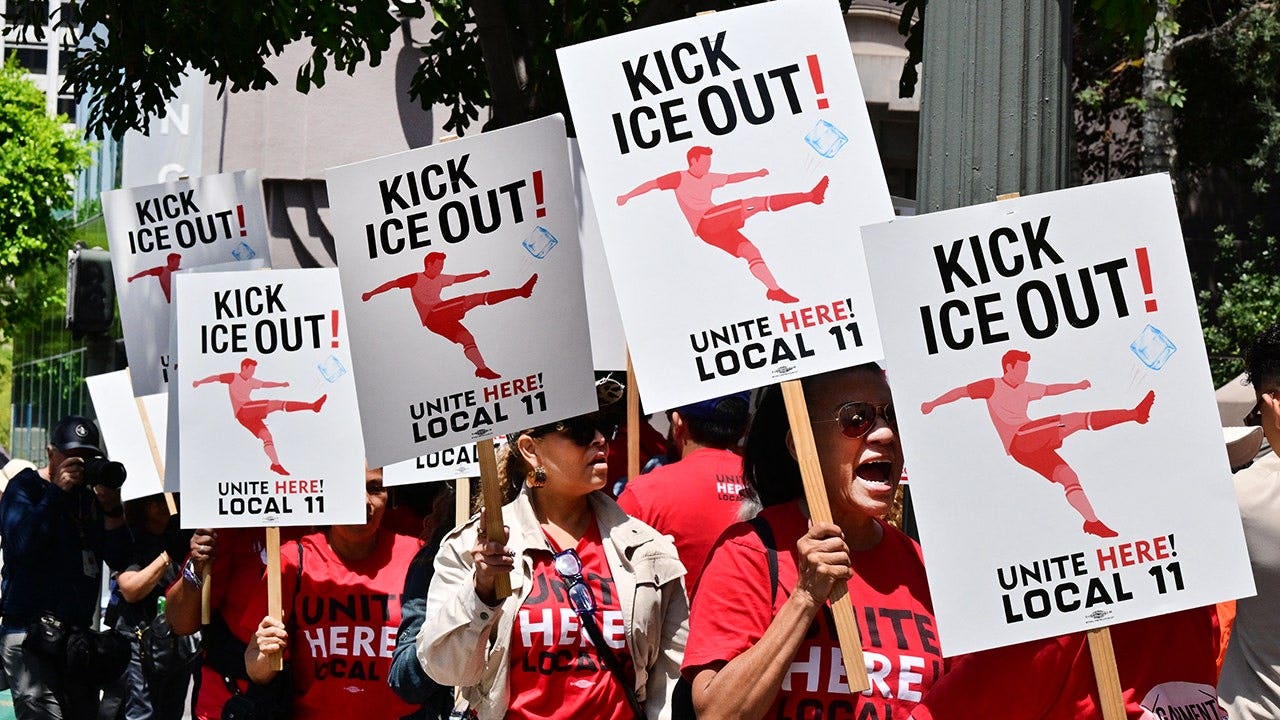
Workers at SoFi Stadium authorized a strike just days before the World Cup kickoff, citing stalled contract negotiations and worries about Immigration and Customs Enforcement presence at matches. The move raises questions about labor leverage, event readiness, and how organizers will balance security plans with worker concerns. This article examines what the vote means, why it happened now, and what might follow for fans and the local community.
The authorization vote came after a period of tense bargaining that workers describe as stalled and unproductive. Employees say routine issues like staffing levels and schedule predictability were left unresolved, and that frustration grew as talks dragged on with no clear path to a new agreement. Authorization does not automatically mean a strike will happen, but it gives workers legal permission to take that step if talks fail to improve.
The timing, one week before World Cup events at the stadium, adds pressure for a quick settlement. Major international matches bring heightened visibility and logistical complexity, and a labor action during that window would complicate operations for teams, fans, and security personnel. Event organizers now face a race to find common ground before any disruption becomes real and visible on the global stage.
One of the unusual elements cited by workers is fear over ICE presence at matches, which has injected a political and moral dimension into contract talks. Staff express anxiety about being placed in roles that could feel like enforcement or being asked to support operations they do not trust. That concern layered on top of economic and working condition grievances widened the gulf between negotiators.
From the workers perspective, labor leverage is a core tactic to compel serious bargaining, and an authorization vote is a clear signal. It changes the negotiating dynamics by showing organizers and the public that employees are willing to escalate if necessary. At the same time, stadium operators and event planners must weigh reputational risks, contractual obligations to FIFA and other parties, and the reality that thousands of fans and international delegations are involved.
Officials on the management side typically emphasize contingency plans and commitments to keep events running, pointing to cross-trained staff and outside vendors as backup options. Those steps can reduce the immediate impact of a work stoppage but do not erase the value of experienced, on-site employees who know the venue inside out. Replacing staff at scale on short notice would be costly and could degrade the fan experience in ways organizers want to avoid.
Local leaders and public safety officials will also be watching closely, since any labor dispute during a major event brings public order considerations. They need to coordinate transportation, crowd control, and emergency response in a way that accounts for possible staffing gaps. At the same time, community groups may view the workers concerns about enforcement presence as a legitimate safety issue that deserves attention beyond labor contract language.
For fans, the immediate takeaway is uncertainty about operations that are normally invisible until a problem appears. Ticket holders may see slower entry, concessions delays, or changes to staffing of information booths if negotiations stay unresolved. Organizers will likely communicate contingency measures, but the best outcome for everyone would be a negotiated agreement that addresses both pay and the nonpay concerns workers raised.
The path forward usually involves renewed bargaining with a focus on the most urgent sticking points, and sometimes mediation to break prolonged deadlock. Whether that happens depends on how willing both sides are to compromise under the clock of a major international tournament. If talks advance, the authorization vote may quietly recede as leverage; if not, the stadium could face a disruptive moment that tests the resilience of event planning and the depth of employee frustration.
