
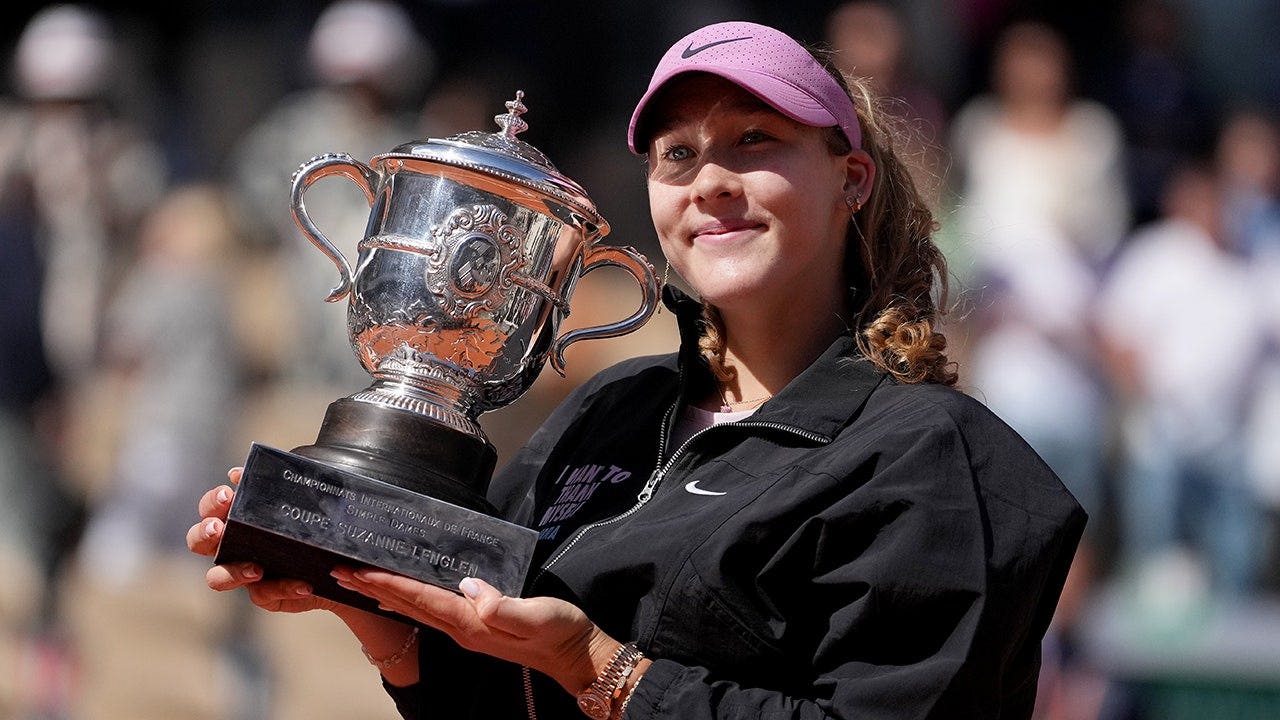
Mirra Andreeva’s breakthrough at Roland Garros turned a young promise into a headline-making achievement and changed the conversation about the next generation of tennis. This piece walks through what happened, why it matters for the sport, and how that victory reshapes expectations for teenage players on the biggest stages. The focus stays squarely on her performance and the immediate ripple effects inside the tennis world.
Teenager Mirra Andreeva defeated Maja Chwalinska in straight sets to claim her first Grand Slam title, becoming the first player born in 2005 to win the French Open. That sentence captures the core fact, but it does not convey the weight of the moment for a player who has been tracked as a rising talent for years. The win is a clear line in her career, a stamp that turns potential into accomplishment.
The match itself looked less like a nervous debut and more like a seasoned player executing a plan under pressure. Her strokes were measured, she chose her moments to attack and to reset, and she kept the ball deep to pin her opponent behind the baseline. Observers noted that her decision-making, not just raw power, made the difference.
Beyond the single match, the victory rewrites a narrative about when a modern teenager can realistically challenge established stars in Grand Slams. Tennis has seen young champions before, but Andreeva’s win stands out because it came on clay, a surface that often favors experience and tactical patience. Winning here suggests she has more than flashy shots; she has the patience and adaptability clay demands.
The tournament run also puts a spotlight on development pathways and coaching approaches that helped shape her game. Young players who rise quickly usually do so because a clear technical foundation meets smart competitive exposure, and Andreeva’s trajectory fits that pattern. Her camp’s focus on match play over isolated training sessions seems to have paid off in high-pressure moments.
For fans and sponsors alike, the win opens new conversations about marketability and momentum for a teenager who can attract attention across generations. There is a commercial angle now that aligns with athletic potential, but the immediate buzz centers on her on-court temperament and consistency. Those qualities tend to make longer careers possible when managed carefully.
On the tour, opponents will adjust, and scouts will take notes on which parts of her game to target next. That is the natural next chapter: how she handles expectations, scheduling, and the inevitable strategic focus from rivals who now view her as a major threat. Success at this level can change the map of draw predictions and seedings for seasons to come.
What matters most is that the match added a fresh, youthful narrative to a sport that thrives on both legacy and reinvention. This isn’t a flash headline that fades; it alters the way players, coaches, and fans think about transition moments from junior promise to senior reality. The real test will be how she builds on this and how the tour evolves in response to a new, confident presence on clay and beyond.
