
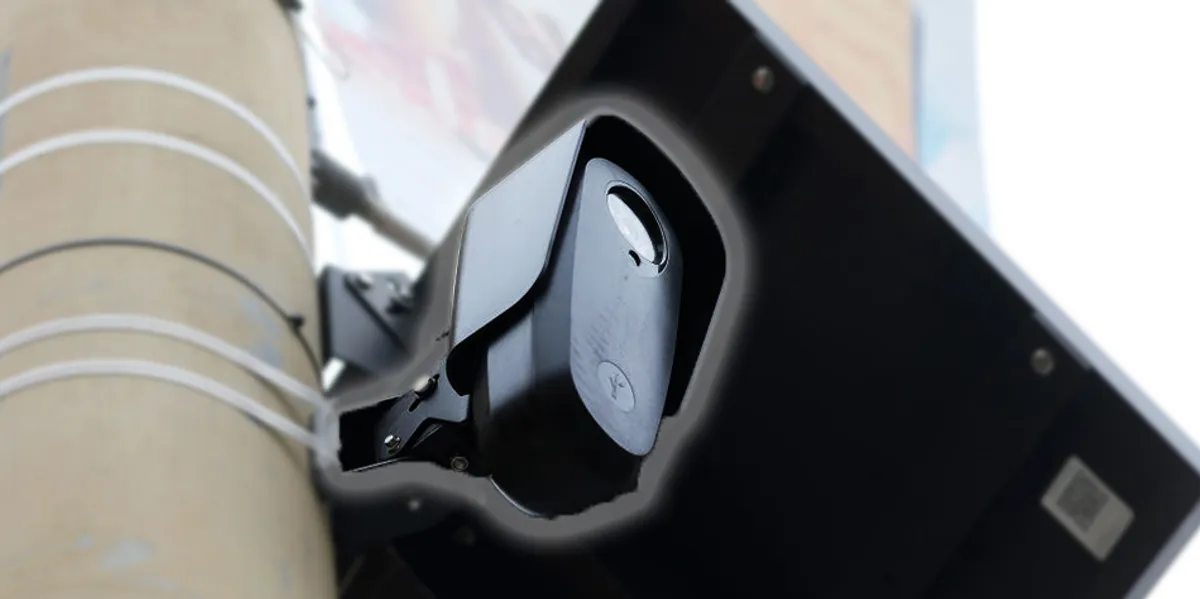
The Scarecrow project describes a legal, visible way to block automated license plate readers without hiding your plate from human eyes. It argues that patterned frames and 3D-printed surfaces can confuse machine vision while leaving plates readable to people. The research targets the growing network of ALPR systems and offers a practical countermeasure intended to be ethical and lawful.
Automated license plate recognition systems have spread fast, installed in parking lots, police networks, and public streets. Companies like Flock operate at scale, monitoring huge swaths of public space and turning every passing plate into searchable data. That expansion has raised clear privacy alarms about constant, warrantless tracking.
Researcher Max Harari lays out the problem plainly and adds this warning: “They capture and index every plate that passes.” Those four words capture why people feel uncomfortable about the technology and why a technical countermeasure might be needed. The concern is not hypothetical; it is about a persistent, automated record of movement.
The Scarecrow approach builds an adversarial frame pattern that sits around the plate instead of covering characters. The design is intentionally grayscale and tuned to attack the image features ALPR systems rely on, while keeping the plate perfectly readable to human drivers and officers. Harari frames this as a way to push back against surveillance without breaking laws that ban obscuring plates.
Technically, the pattern is the output of adversarial frame pattern optimization, which models how cameras and recognition networks perceive the plate area. Distortions used include rotation and perspective warp, shifts in brightness and contrast, motion blur, additive noise, and distance-based changes. The goal is to change what the machine sees, not what a human sees.
In experiments shared by the researcher, ALPR detection confidence falls dramatically — from 0.84 down to 0.00 in the reported tests — which the project describes as “full evasion.” The reported results focus mostly on cameras mounted roughly eight to 12 feet off the ground, which is the range where many commercial systems are installed. Those are the same placements used in stores, parking garages, and roadside camera rigs.
The project offers individualized patterns by asking owners to provide a photo of their plate so the frame can be optimized to that plate’s exact appearance. The recommended manufacture route uses 3D printing so the cover can include varying depths and tangible surface features that mechanical lenses and lighting will respond to differently. That physical texture is part of what confuses camera algorithms.
Harari argues the work is driven by ethics as much as by engineering. “A system that can track anyone, anywhere, with no transparency or accountability is fundamentally immoral. This project is my way of exploring what can be done about it, ethically and legally,” he wrote. That statement sums up the project’s stated purpose: to probe legal, visible defenses against opaque surveillance.
Harari also said in a that he has not tested the system on an actual Flock camera, but his research indicates it should work across different hardware and license plate detection models. The claim is framed cautiously: the lab results look promising, but real-world deployments and a wider range of camera models remain a next step. For people worried about passive, continuous plate collection, Scarecrow is pitched as a practical experiment in reclaiming some privacy.
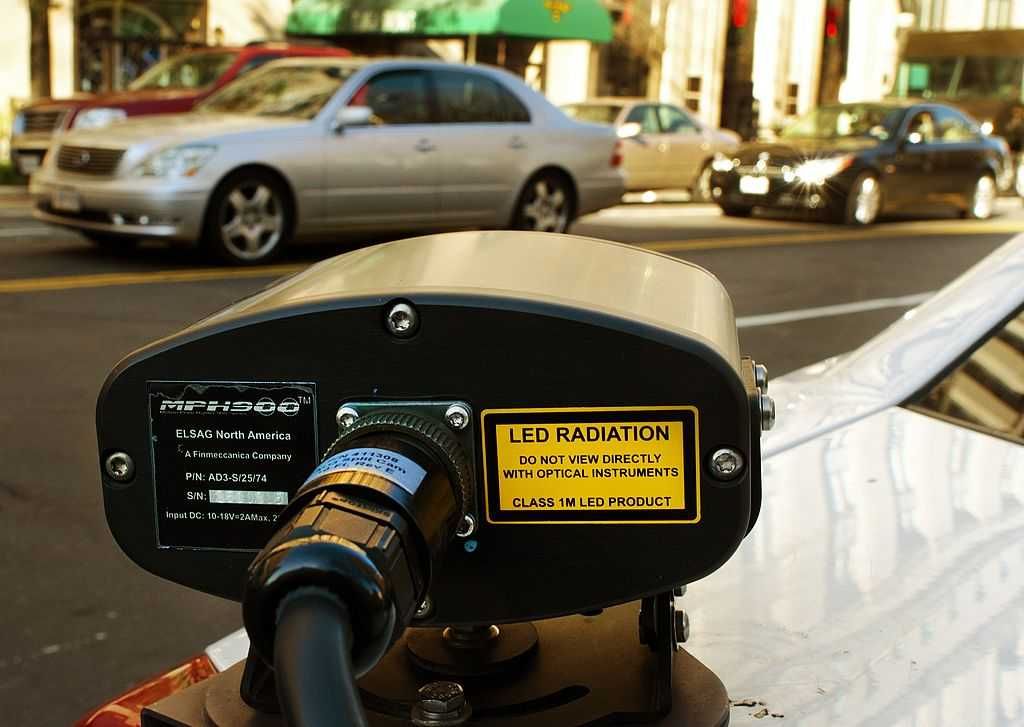
PAUL J. RICHARDS/AFP/Getty Images
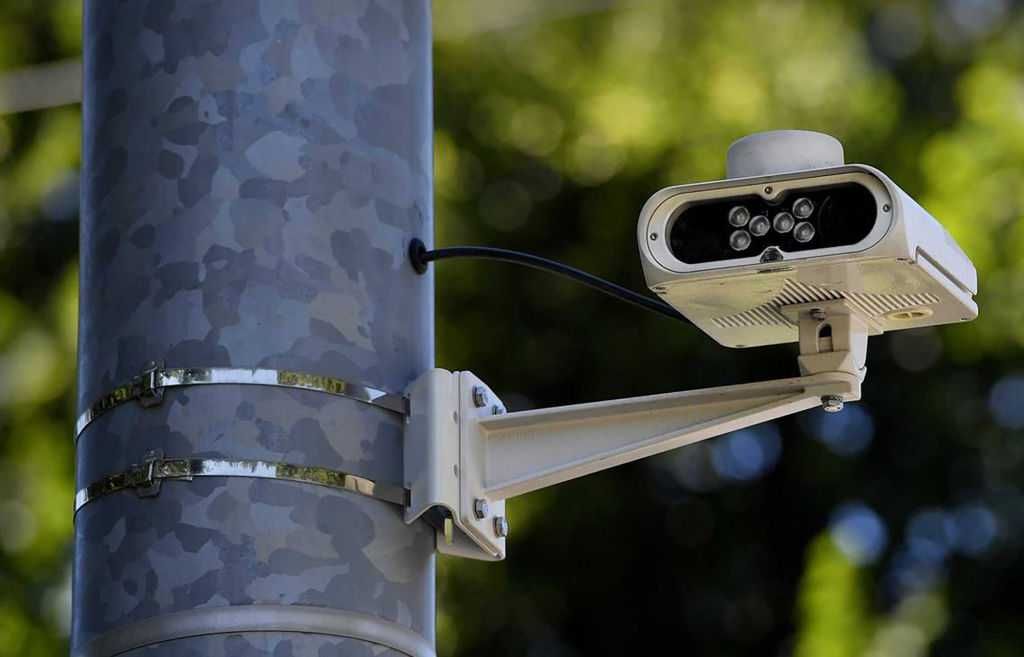
Rich Sugg/The Kansas City Star/Tribune News Service/Getty Images
https://x.com/PhxInsurgent/status/2062285514686988528/photo/1
