
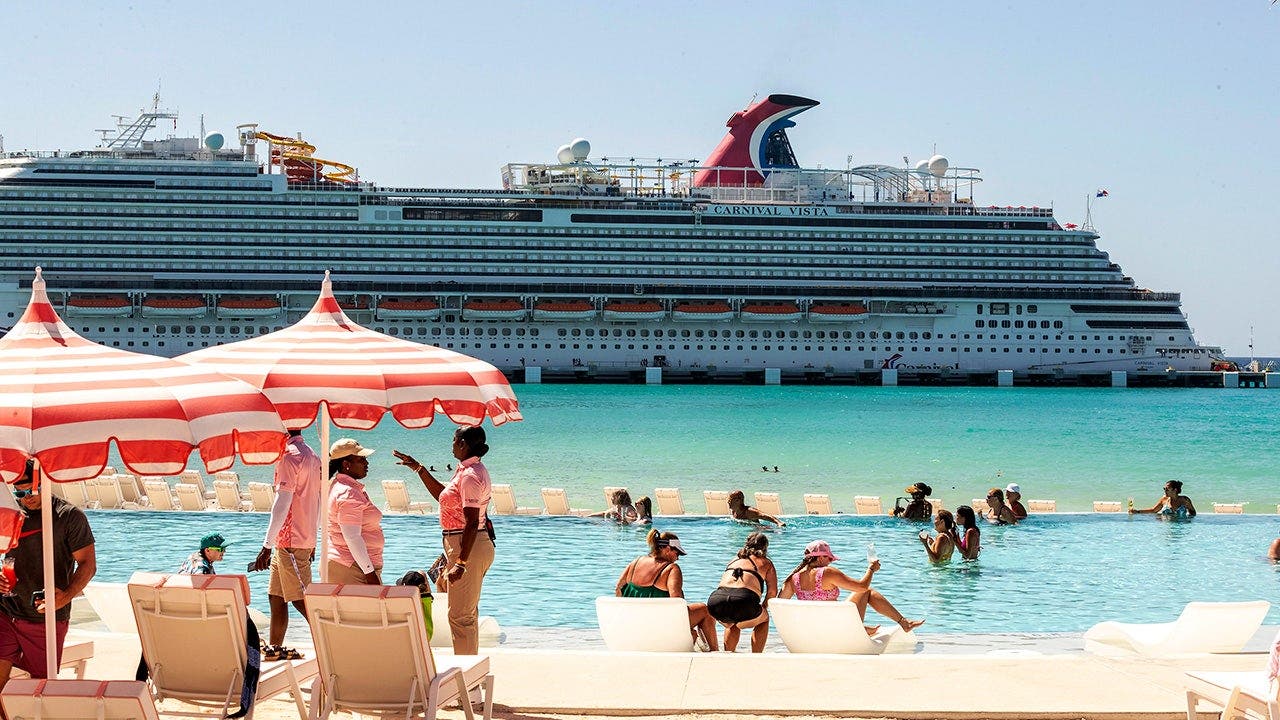
Carnival Corporation confirmed a large data breach that exposed personal details for nearly six million people after a social engineering attack on a single user account; this article walks through what was exposed, how criminals can misuse that data, and practical steps you can take right now to reduce your risk.
The incident began when someone tricked an employee and gained access to part of Carnival’s IT system, according to the company. Carnival says it immediately blocked the activity, brought in outside security experts and notified law enforcement as part of the response. This kind of human-targeted attack is common, and it often gives criminals just enough access to harvest valuable personal information.
“In April, we identified unauthorized access to a limited part of our IT system caused by a social engineering attack on a single user account. We immediately blocked the activity, engaged third-party security experts and alerted law enforcement. Our investigation found certain personal information was illegally accessed. We’re notifying affected individuals and deeply regret any concern this causes. Protecting the privacy and security of personal data is a priority for us and we’ve added new layers of security and monitoring on top of the comprehensive protections already in place. We’ll also continue advancing our defenses against evolving threats.”
State breach reports show 5,995,277 people were affected, and the range of exposed data can vary by person. Known fields include names, addresses, email addresses, phone numbers, dates of birth and government-issued ID numbers such as driver’s license and passport numbers. Having those identifiers on the open market makes identity-based scams and verification fraud far easier for crooks to attempt.
Security researchers analyzing published datasets tied the leak to a loyalty program for one Carnival brand and found millions of records, with several million unique email addresses included. That means you could be affected even if you think of yourself as a customer of a specific brand rather than Carnival as a whole. The alleged extortion gang that claimed responsibility has a history of stealing and selling corporate data, though Carnival has not publicly confirmed every claim.
Even without credit card numbers, the stolen fields let scammers craft highly believable messages. A phishing email or text mentioning loyalty points, an upcoming booking, a refund or a cabin upgrade suddenly looks authentic. That single familiar detail is often enough to make a victim click a link, open an attachment or hand over more sensitive data.
Travel scams work because they hit people when they are rushed, excited or distracted. Old accounts, forgotten loyalty memberships and past itineraries remain useful to criminals who stitch together leaked data with freely available online information. That combo increases the odds you’ll trust a message and act before you stop to verify.
Carnival has faced other security incidents in prior years, including breaches tied to employee email access and ransomware events. While past incidents do not guarantee fraud will follow for every customer, the pattern shows why even dormant travel accounts deserve attention and strong safeguards. A loyalty profile can reveal far more than points; it can show travel habits, birthdates and personal preferences.
If you receive a breach notice from Carnival, read it closely to see what specific information was involved and whether you’re eligible for services like complimentary credit monitoring. Beware of any email, text or ad offering to enroll you via a link; go directly to the company’s official website or app instead. Scammers will set up lookalike pages to harvest your login credentials or ID documents.
Use strong, unique passwords for every travel and loyalty account and consider a reputable password manager to generate and store them. Enable two-factor authentication wherever possible and prefer an authentication app over text messages, since SMS codes can be intercepted through SIM swap attacks. These steps add friction that makes casual fraud attempts much harder to pull off.
Be skeptical of urgent messages about refunds, expiring points, cabin upgrades or account verification requests. If you get a call claiming to be from a cruise line, do not give out your date of birth, payment details or one-time codes; hang up and dial the number listed on the company’s official website. That small pause can stop many social-engineering schemes cold.
Consider steps that help limit how much of your information is available to criminals searching public records and data broker sites. Data removal services can’t undo a breach, but they can reduce the online footprint attackers use to match leaked records to real people. A credit freeze at the major bureaus will block new accounts from being opened in your name and is free to set up.
Keep security software updated on your phone and computer to block malicious websites, scam pages and malware. Install updates as they arrive so known vulnerabilities are patched quickly. Regularly check bank and credit card statements for unfamiliar charges and report suspicious activity immediately to your financial institution.
If you receive any official-looking notice, keep a copy for your records and verify instructions directly with the company through official channels. Fake settlement pages and recovery sites often appear after major breaches, so treat any out-of-the-blue claim with caution. Spend a few minutes now tightening passwords, enabling 2FA and watching for cruise-themed scams to reduce the chances your details end up being used against you.
