
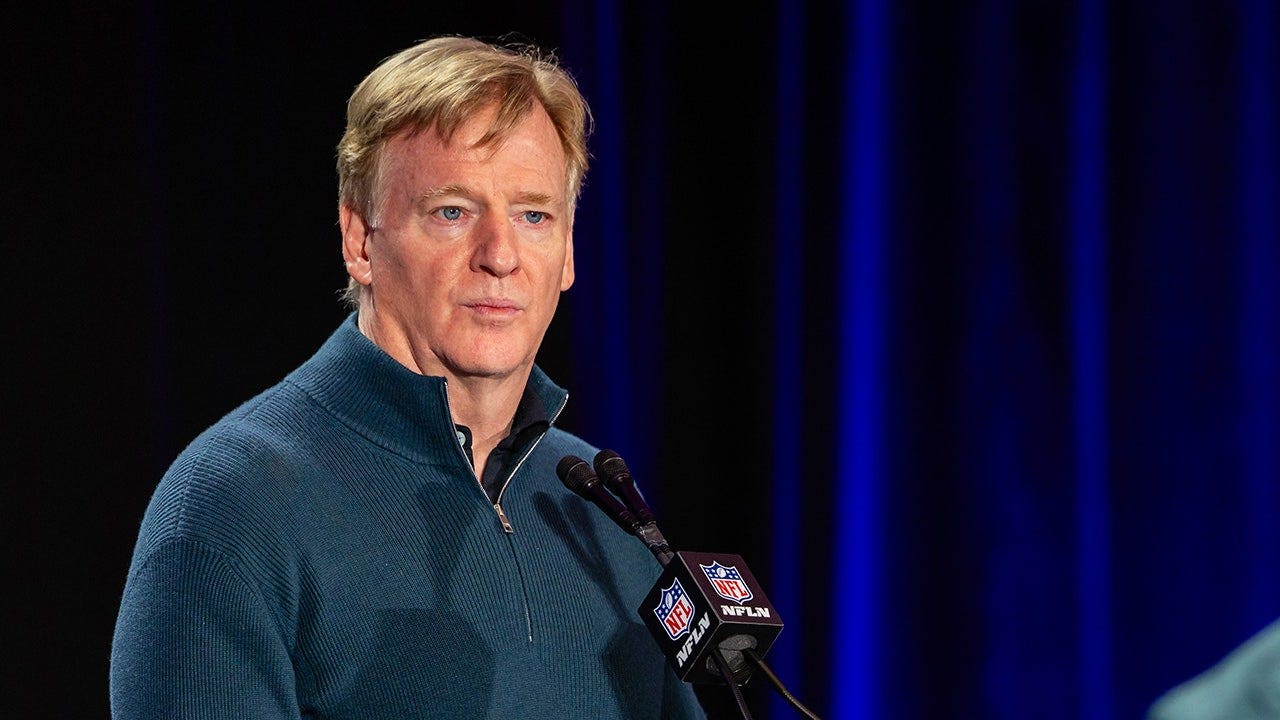
NFL Commissioner Roger Goodell declines invitation to testify before House Judiciary Committee on Sports Broadcasting Act, citing ongoing litigation. The decision landed in Washington like a cold splash of reality: the league is digging in while lawmakers push for answers about broadcast rules and market power. Conservatives in Congress are calling for accountability and want to know whether the NFL is using the courts to dodge oversight that voters deserve.
The House Judiciary Committee invited Goodell to explain the NFL’s position on the Sports Broadcasting Act, a law that shapes how games are sold and shown across the country. Republicans view that statute as central to how markets and fans interact with pro football, and they are right to ask tough questions about whether current practices serve consumers or entrenched interests. When the commissioner declines, it raises the simple question voters care about: who is protecting the fans?
The league cited ongoing litigation as its reason for not taking the witness chair, which is a familiar legal shield. Lawsuits do require caution, but legal proceedings should not become a blanket excuse to avoid public explanation. From a Republican perspective, transparency is not optional; it is the baseline expectation when a powerful private actor touches the public interest so directly.
There is a legitimate legal angle here. Litigation can involve privileged communications and strategic vulnerabilities that make in-person testimony complicated. Still, the committee can call for written testimony, limited question sessions under agreed protections, or even closed-door briefings to balance legal risks with the public’s right to know. Saying no without offering workable alternatives looks more like stall than cooperation.
The Sports Broadcasting Act is not esoteric politics; it affects ticket prices, local broadcasters, streaming competition, and how small stations survive. Republicans who defend market competition should demand that the NFL explain whether its contracts stiff-arm rivals and choke local access. If the league’s conduct preserves monopoly rents at the expense of fans and smaller outlets, Congress has every right to probe and, if needed, to act.
For many on the right, this is also about principle. Private power should not be an unchecked substitute for accountability. When a single sport commands the attention of millions and shapes billions in ad dollars and affiliate fees, it behaves in the public square. Goodell’s choice to decline fuels skepticism that the league prefers courtroom theatrics over public answers.
Committee members have tools beyond invitations. Subpoenas are blunt, but they exist for a reason. Republicans who prioritize oversight will remind constituents that a request denied is not the end of the line. Pressure can come through hearings with other witnesses, document requests, and coordinated legislative proposals to modernize how games are distributed and who benefits from those deals.
The optics matter in politics, and the commissioner’s decision hands Republicans a clear narrative: the NFL is ducking public scrutiny while raising legal shields. That narrative will help Republicans sell a case for stronger oversight and for ensuring that the rules of broadcasting encourage competition instead of protecting incumbents. Voters who feel squeezed by media consolidation will find common ground with lawmakers demanding answers.
Expect the next steps to be procedural and pointed. The committee can demand alternative forms of testimony, press for documents tied to broadcast agreements, and make the litigation issue a limited, concrete factor rather than an all-purpose excuse. Republicans will push both the legal boundaries and public messaging to show they are pursuing oversight without grandstanding.
The situation is far from settled, and the coming weeks will tell whether the NFL chooses negotiation or confrontation. For Republicans in Washington, the goal is clear: force a transparent conversation about how broadcast rules shape markets, protect fans, and preserve competition, and do it without letting the courts become a permanent curtain curtain between power and the public.
