
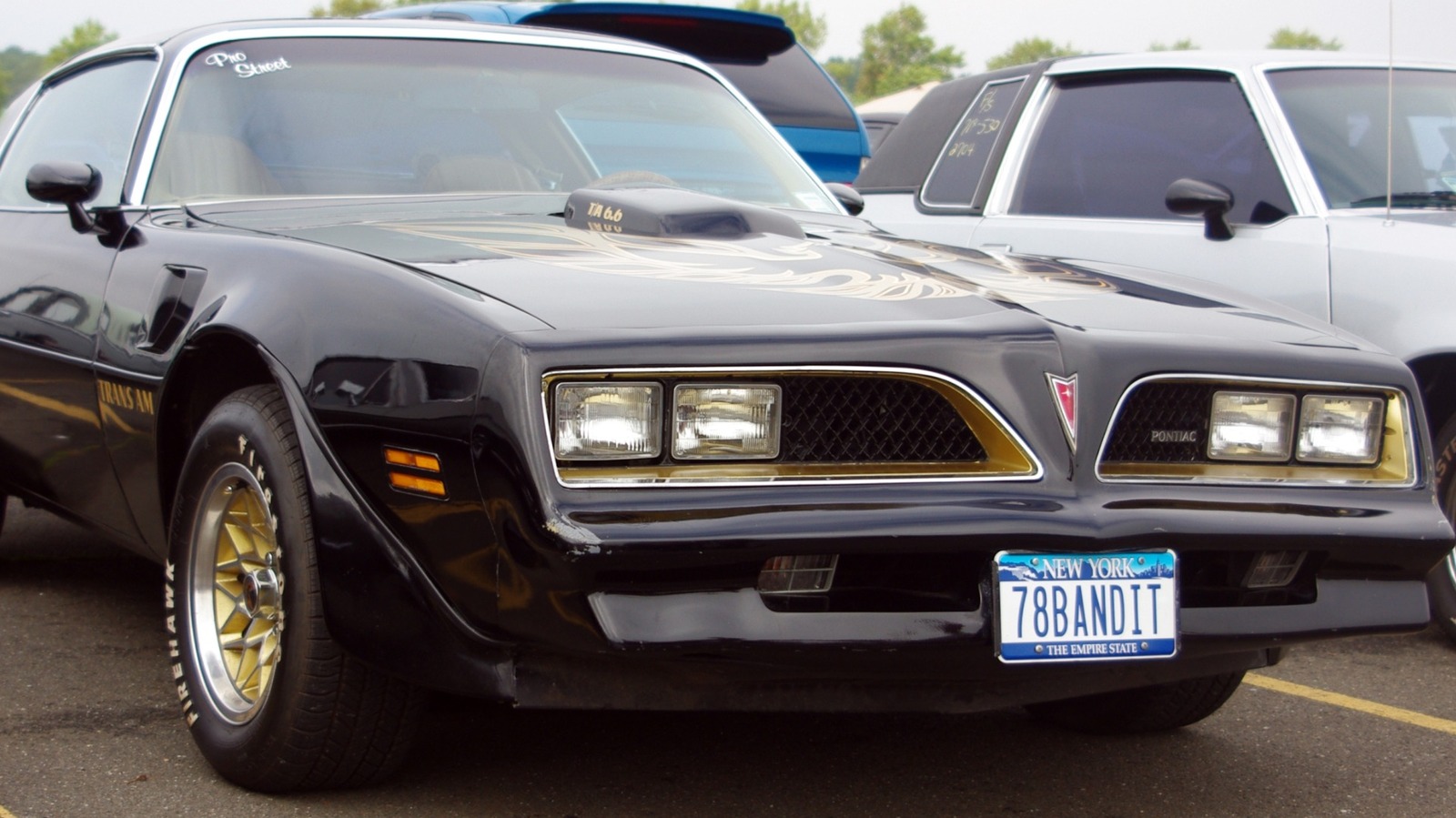
The 1970s might get lectured as a decade of decline for cars, but scratch the surface and you find a surprising roster of designs that reshaped expectations, embraced new realities, and left lasting impressions. This piece looks at how regulation, oil shocks, and fresh creativity forced automakers to adapt, producing vehicles that are still remembered for their character, innovation, and cultural impact.
The decade began under pressure: emissions rules tightened, fuel prices climbed, and safety standards rose. Automakers couldn’t keep selling the big, thirsty machines of the late 1960s without serious redesigns, so engineers and stylists had to rethink priorities. That era bred compromises, sure, yet those compromises often led to clever solutions and bold experiments that stand out even today.
One major theme was downsizing, but not always in a dull way. Cars became smaller and lighter, which improved economy and handling, and some models managed to keep their swagger despite losing cubic inches. The shift toward compact performance and efficient luxury created new categories, and several models proved that fun and refinement could survive tighter constraints.
Another lasting legacy from the 1970s is the mainstreaming of safety and emissions technology. Seat belts, crumple zones, and catalytic converters moved from optional extras to standard fare, forcing designers to integrate these elements into the whole package. Those technical shifts altered vehicle architecture, but they also raised the bar for durability and real-world usability in a way that benefited drivers for decades after.
Styling in the 1970s got weird and wonderful at the same time. Some manufacturers doubled down on flamboyance to distract from diminished performance, while others embraced minimalist, aerodynamic lines that hinted at the future. The result was a decade of extreme contrasts where you could find both baroque, chrome-heavy designs and surprisingly modern silhouettes in the same showroom.
Performance didn’t vanish; it transformed. High-revving, carbureted monsters faded, but turbocharging, fuel injection, and engineering finesse began to fill the gap. Some models from the era are celebrated today because they introduced technologies that later became standard in sports cars and hot hatches. That transition period produced vehicles that are fascinating to examine: part relic, part prototype for what came next.
Practicality grew a new audience in the 1970s as consumers learned to value fuel economy and utility. Hatchbacks, compact sedans, and versatile wagons gained traction, and with them came clever packaging that made small cars far more usable than earlier compact efforts. These practical choices widened the market and helped cement the idea that a car could be both frugal and characterful.
Pop culture also amplified the decade’s automotive footprint. Films, music, and advertising turned certain models into icons—even when those cars were coping with constraints. When a vehicle captured the public imagination, its quirks became charm points rather than liabilities, and collectors today hunt those examples for the same reason people loved them in the first place.
Collectors and enthusiasts now appreciate how the 1970s forced creativity under constraint, producing machines that are unpredictable and often delightful. Some cars aged badly, while others gained cult status because of unusual styling or novel engineering. Either way, revisiting seventies-era models reveals a period of transition that helped shape modern car culture and engineering priorities.
Looking back, the decade isn’t just about decline; it’s about adaptation and invention under pressure. The challenges of the era pushed manufacturers to explore different directions, and those experiments left a legacy that still matters to designers, engineers, and drivers today.
