
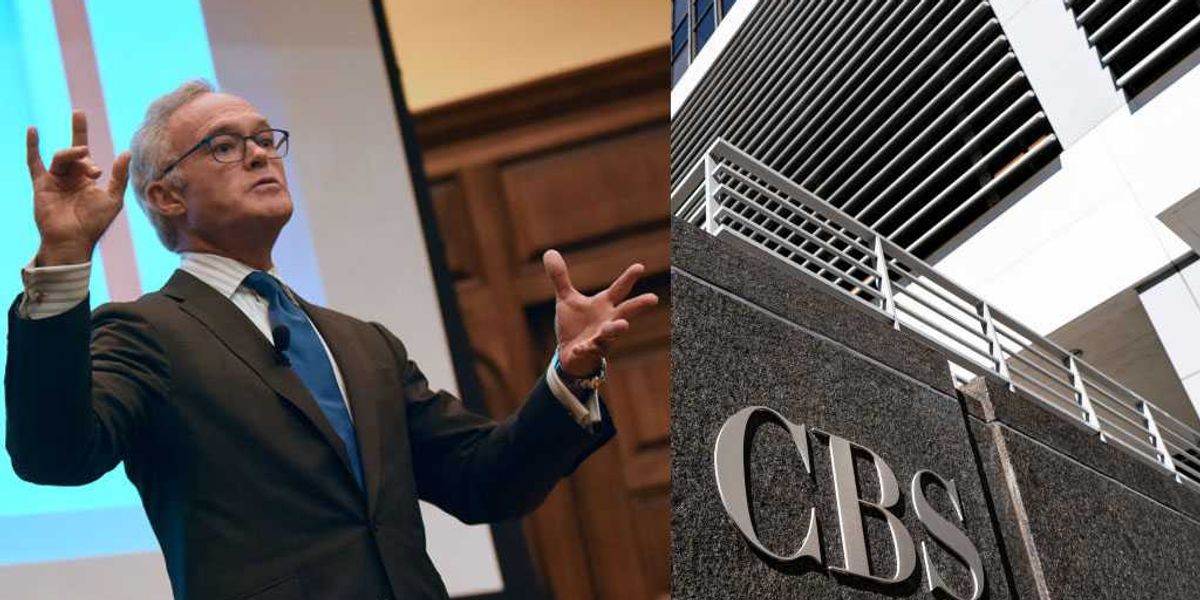
Scott Pelley, long tied to CBS, was abruptly let go after a showdown with new management that centered on hires and editorial direction; the fallout exposes tensions over leadership, loyalty to legacy journalism, and accusations of bias that now haunt 60 Minutes.
Pelley has been a familiar face at CBS since 1989 and kept a visible role on 60 Minutes after losing the Evening News anchor chair in 2017. He stayed on as a correspondent for years, arguing then that the newsroom needed to defend free speech and serious reporting. That history made this exit feel less like a personnel shift and more like a culture clash.
The immediate spark was Pelley’s blunt critique of new hires, including a newly installed executive producer and an editor in chief who came from outside the broadcast mainstream. He called those moves damaging to the show and questioned whether the new leaders cared about preserving the program’s standards. Those comments reportedly happened at a staff meeting and they did not sit well.
I started this job excited to collaborate and to benefit from the wisdom and experience of the 60 Minutes veterans, with you among them. For that reason, one of the first things I did in my new role was call you to talk and invite you to dinner. It is a profound disappointment that you rejected that overture and chose ambush instead. Yesterday, you hijacked my first meeting with staff to disparage me, my qualifications, and my intentions with remarkable incivility and contempt.
The new producer pushed back hard, accusing Pelley of a “performative display of hostility” and saying he showed no interest in being part of the show’s future. That response was followed quickly by a termination “for cause,” ending Pelley’s tenure at the network effective immediately. Management painted the clash as one of decorum and teamwork, not simply ideology.
‘I have been in combat.’ That line popped up as Pelley reminded people of his reporting from dangerous zones and framed his career as built on taking risks for journalism. He cited time in Afghanistan, Iraq, and repeated trips to Ukraine to argue that he wasn’t afraid of hard reporting. For him, the fight was about defending what 60 Minutes represents.
Pelley said Bilton’s letter “betrays a complete misunderstanding of what we work for and what we live for at ’60 Minutes.'” He also accused new leadership of fostering incompetence and unprofessionalism that, he argued, had run rampant. Those are strong charges aimed straight at how the network is being run under new ownership and managers.
Pelley further alleged in that the new owner was sidelining the show’s legacy to win favor with political power and that management had even instructed him to “inject falsehoods and bias into a politically sensitive story.” Those are explosive claims that, if true, go to the heart of editorial integrity and why viewers trust legacy outlets. He used blunt language because he wanted attention on what he sees as more than a staffing spat.
CBS did not immediately respond to requests for comment, and the on-air lineup now looks smaller with names like Lesley Stahl, Bill Whitaker, and Jon Wertheim remaining from the veteran roster. The shakeup leaves a program built on reputation facing questions about who sets the rules and what values get protected. For those who still care about serious reporting, the moment calls for clear answers from network leadership.
This is more than one veteran walking out the door; it is a test of whether legacy media will defend standards or reshape themselves to chase trends and favors. Conservatives will watch closely for whether accountability follows or if the network simply doubles down on an approach many see as unmoored from impartial journalism. Either way, the Pelley episode is a blunt reminder that culture battles inside newsrooms have real consequences for what viewers get on air.
https://x.com/DylanByers/status/2062013125554246140?s=20
