
This piece warns America from a Republican perspective that the antisemitic violence unfolding in parts of Europe is a predictable, avoidable threat, and it urges leaders at every level to act now with clarity and courage. It describes daily realities in Brussels to show what happens when hatred is normalized, explains how elite institutions and public figures can erode civic norms, and presses for concrete shifts in honesty, law enforcement, and cultural standards. The argument is direct: confront hatred consistently, reject fashionable excuses, and protect vulnerable communities before streets and institutions slip out of control.
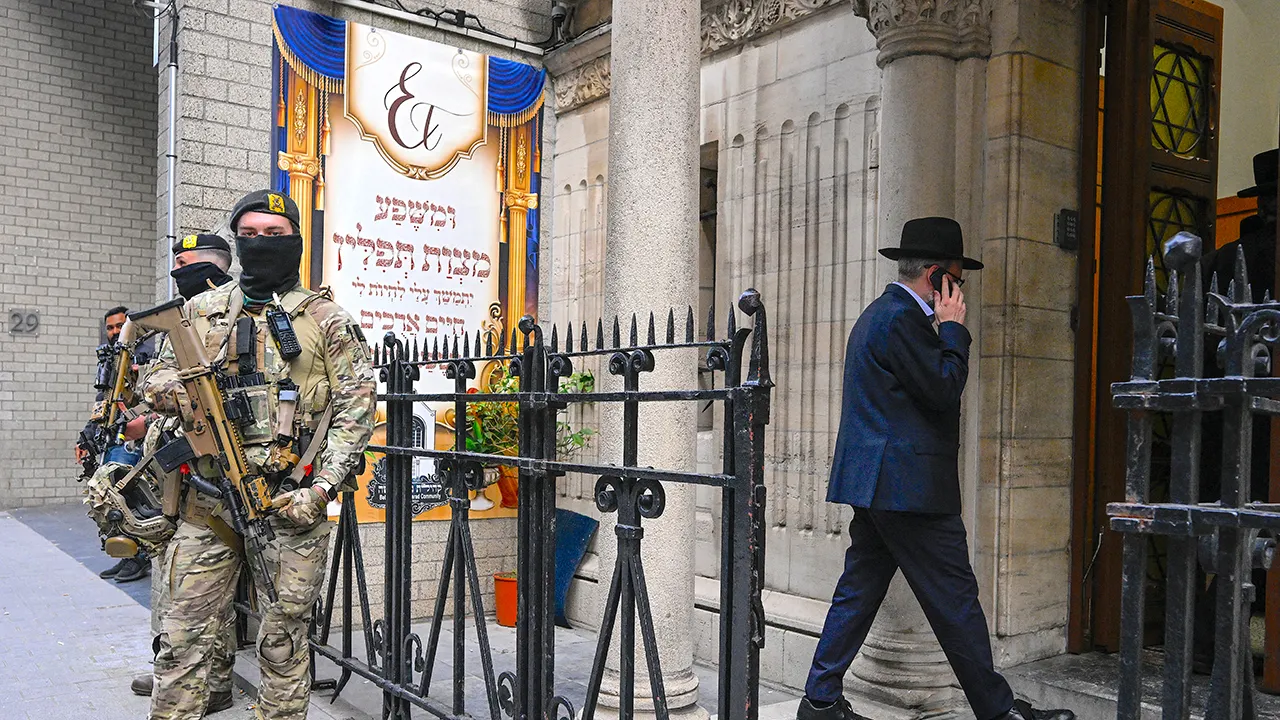
I live in Brussels, the Brussels that has hardened into a place where Jewish schools are shielded by guards and synagogues look like fortresses. That daily reality is not a distant warning; it is a recorded fact of what happens when a society stops treating Jew-hatred as unacceptable. Seeing it every day strips away the abstractions and forces a clear question: why wait until it arrives at your doorstep?
We are watching this play out under banners that sound noble. Antisemitism did not return wearing obvious symbols. It came wrapped in slogans, presented as activism, and defended by people who claim moral authority. When hatred is marketed as righteousness, it becomes harder for institutions to call it what it is.
WESTERN LEADERS MUST CONFRONT ISLAMIST-INSPIRED ANTISEMITIC VIOLENCE BEFORE IT TARGETS EVERYONE
Europe spent years treating violent extremism as a fringe problem, a short-lived storm that patience and tolerance would resolve. That mistake cost cities their calm and citizens their security. The lesson is brutal but simple: ignoring violent ideology does not make it go away; it makes it louder and bolder.
In a single weekend, order can break down in a capital city. We have seen mobs lay siege to police stations, mass arrests, and major landmarks shut their doors because authorities could not guarantee safety. Those scenes are not inevitable, but they follow when leaders prefer soft words to firm standards.
America once offered a different model, where wearing a yarmulke in public did not require a parent to do risk calculations. That safety sprang from civic norms that labeled Jew-hatred unacceptable across the board. When a society treats hatred as disqualifying rather than debatable, it protects not just one group but the public square itself.
SIGN UP FOR ANTISEMITISM EXPOSED NEWSLETTER
Now those norms are fraying. The people accelerating that crack are not always shadowy fringe actors. They are campus opinion makers, city officials, and online voices who shape what is considered acceptable speech. When elites excuse antisemitism because it aligns with certain politics, they send a clear signal to extremists: go ahead.
This is not a call to be fearful. Fear is the weapon of those who want us to surrender freedoms. The real demand is for honesty and consistency: call out hatred whether it comes wrapped in leftist language or any other ideology. Confront violent extremism squarely and back enforcement with policy and public standards.
Leaders must do more than issue statements. Mayors, governors, prosecutors, and university presidents have to set and enforce standards that protect citizens and punish incitement. Train police, secure vulnerable sites, and make it politically costly to normalize Jew-hatred. That is practical, not panic.
Democracies thrive on vigorous argument, but they collapse when argument becomes cover for persecution. If some hatreds are allowed because they sound fashionable, then no community is safe for long. America still has the chance to choose differently; that choice means leadership willing to impose costs on haters and clarity for citizens.
Europe has already watched this movie and knows the ending when tolerance turns to indifference and indifference becomes permission. I am delivering a clear warning from inside that reality so American leaders can act early. Protect institutions, insist on standards, and refuse to let fashionable rhetoric hide violent intent.
