
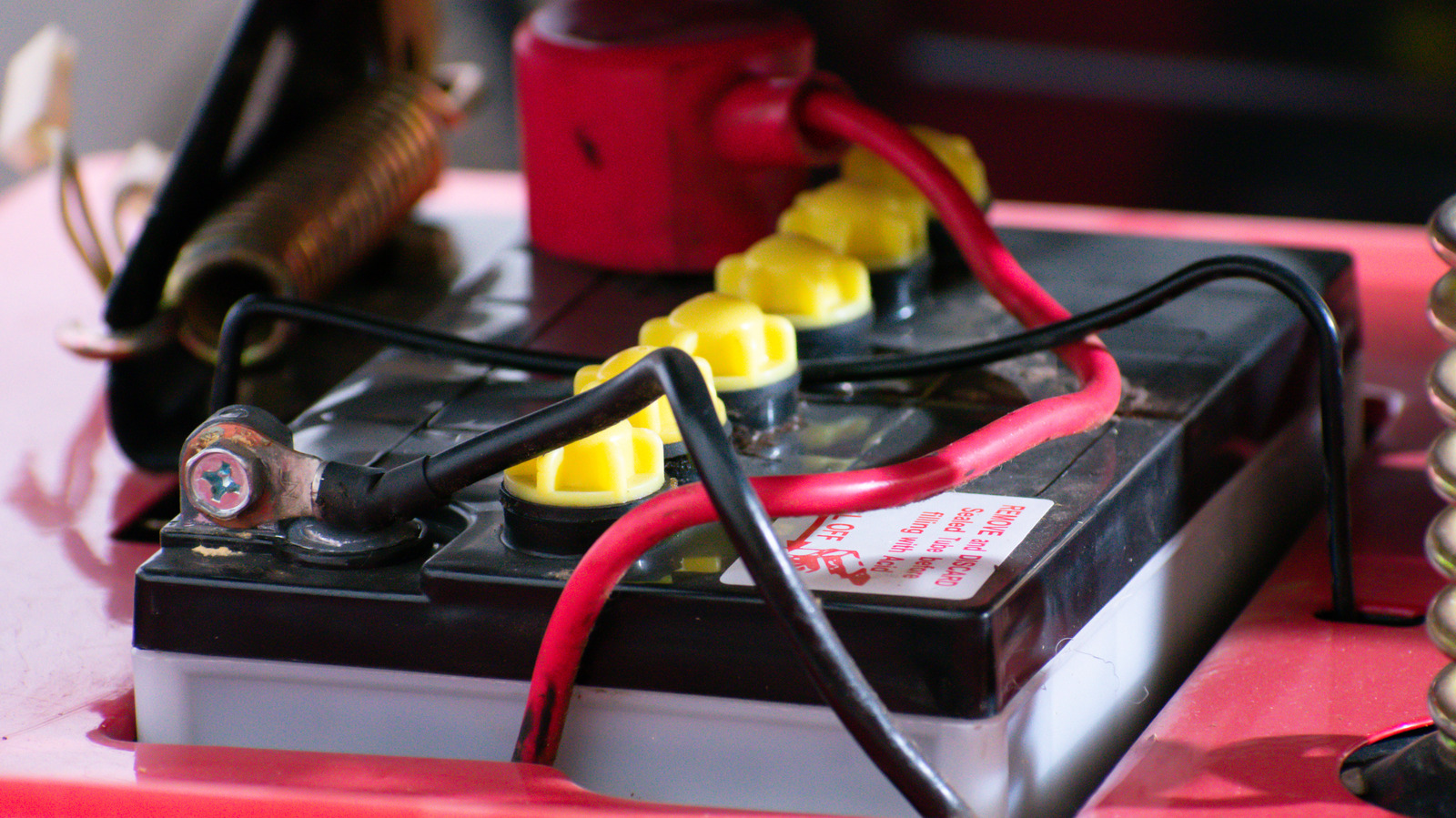
This piece explains why lawn mower batteries and car batteries might look similar but are engineered for different jobs, how their chemistry and design affect performance and safety, and what to consider when replacing or charging them so you don’t damage equipment or risk injury.
Lawn mower batteries and car batteries share a boxy appearance and the same basic job of storing electrical energy, but they are built for different kinds of demand. A mower battery is often designed for short bursts of high current and lightweight portability, while an automotive battery must deliver sustained high current to crank an engine and handle a vehicle’s electrical loads. Those differences change how they’re sized, chemically formulated, and maintained.
Voltage is the first clear distinction to check, even though many small engines use 12-volt systems like cars. What matters beyond voltage is capacity and cold-cranking amps. Car batteries are rated for cranking power to start a cold engine, whereas mower batteries emphasize reserve capacity and durability for intermittent load cycles, so swapping one for the other can leave you underpowered or overtax the battery.
Chemistry and construction create another dividing line. Automotive batteries are usually flooded lead-acid or absorbed glass mat types optimized for starting and long life under constant alternator charging. Mower batteries and other powersports cells often use lighter materials or different plate designs to save weight and fit compact housings. Those trade-offs influence lifespan, recharge behavior, and how the battery copes with deep discharges.
Physical size and terminal placement matter more than you might think. Even if a battery fits the tray, terminal locations and hold-down fittings can interfere with cables and safety components. Using a battery that doesn’t secure properly risks vibration damage or shorts. Always check fit and terminal orientation before considering a substitution.
Charging strategy is another area where mismatches cause trouble. Car alternators are meant to top up batteries while running, and chargers for automotive batteries often deliver a different charge profile than chargers for small batteries. Using an aggressive automotive charger on a mower battery could overheat it or reduce its life, while undercharging a car battery leaves it sulfated and unreliable.
Safety is non-negotiable. Batteries can leak acid, emit hydrogen gas, or spark under load, so swapping incompatible batteries increases the chance of injury or fire. Battery cases that aren’t vented for the specific chemistry can trap gases or crack under stress. Wear eye protection, disconnect the negative terminal first, and avoid cross-connecting different types of cells.
Performance signs tell you when a replacement is needed. Rapid voltage drop under load, swollen casings, or difficulty holding a charge signal a failing battery regardless of type. If your mower dies mid-job or your car struggles to start, testing with a proper battery analyzer gives a clearer picture than guessing based on looks alone.
When it’s time to replace, match specs, not appearances. Look for the correct voltage, recommended cold-cranking amps for engines, capacity for run time, and the right terminal layout. If in doubt, choose a battery marketed for your specific machine or consult a professional to avoid warranty voids and safety risks.
With batteries being the hidden heart of small engines and cars, treating them according to their intended design keeps equipment reliable and safe. Swapping batteries on a whim because they look alike is tempting, but a few minutes of checking specs and fit can save you downtime and hazards down the road.
