
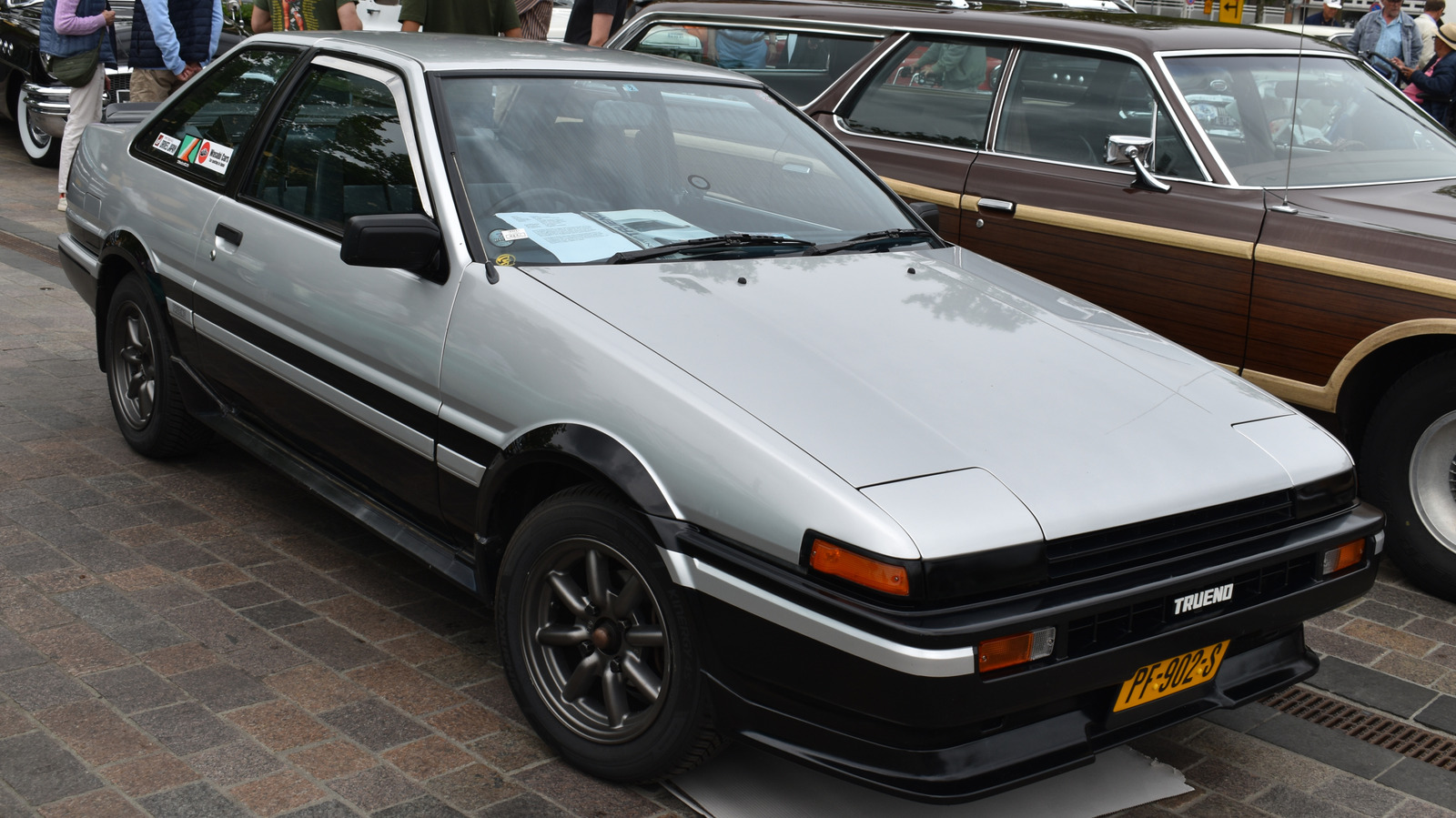
Many of the cars we once saw everywhere on suburban streets have quietly moved into classic status, and that shift has opened a sweet spot for buyers who want character without the sticker shock. This piece looks at why formerly common 1980s cars are suddenly prized, how they fit into modern collections, what to watch for when shopping, and why they still deliver simple, honest driving fun. Expect practical angles and a few examples to help you see opportunity where others see faded paint.
The appeal starts with design that felt ordinary back then but now reads as distinct and era-defining. Boxy lines, analog gauges, and mechanical simplicity age differently than glossy, tech-saturated cars; they wear nostalgia well and stand out in a crowd. That visual identity gives formerly common models collectible cachet without the exclusivity hangover of supercars.
Affordability is the practical hook. Limited-production exotics climb into six and seven figures, but many 1980s survivors are still within reach for enthusiasts on modest budgets. That means you can own a piece of automotive history and use it, rather than store it under bubble wrap and a museum-style rope.
Parts and know-how matter more than you might think, and for many 1980s models those ingredients are still available. A huge community of owners, aftermarket suppliers, and specialty shops keeps rotors, trim, and mechanical parts circulating, so maintenance is more doable than with older, rarer cars. In short, you can fix and upgrade these cars without launching a GoFundMe campaign.
Certain models punch above their original market position because they were well built or offered engaging driving dynamics at the time. Early turbocharged sedans, compact sports cars, and durable European workhorses have all earned followings for good reason. They reward drivers who appreciate mechanical feedback and straightforward layouts instead of digital babysitters.
Buying tips are simple but earned: check the rust, verify service history, and prioritize a solid chassis over cosmetic perfection. A tidy driveline and a documented maintenance record often matter more to long-term ownership than a freshly painted body with hidden corrosion. Also, test drive for feel; many of these cars tell you what they need through vibration, noises, and simple behavior that a diagnostic lamp won’t capture.
Ownership joy comes from low-tech pleasures: manual transmissions that click and teach, analog toggles that don’t beg for software updates, and the kind of sounds that remind you a car is a machine. Weekend cruisers, local-car-show favorites, or inexpensive daily drivers, these once-common 1980s cars give people a tangible link to motoring culture without demanding a second mortgage. If you like cars that are honest, character-filled, and fixable, there are treasures hiding in the places other buyers overlook.
