
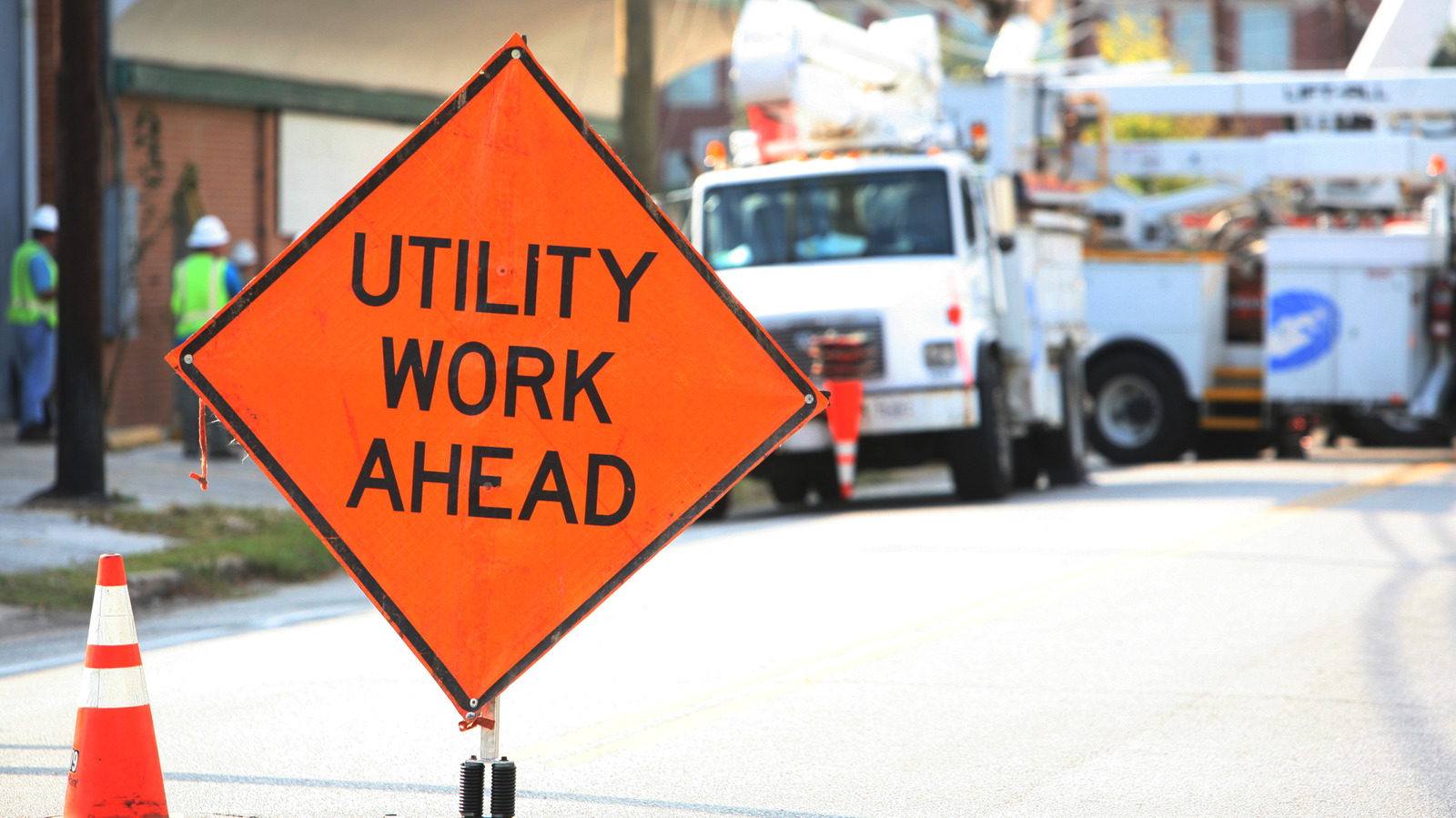
If a utility crew shows up and starts digging on your land, it can be unnerving. This piece lays out what rights you likely have, how to check whether the crew is authorized, and smart next steps to protect your property and safety without creating needless conflict.
First, keep your cool and prioritize safety. Heavy equipment and open trenches are dangerous, so don’t approach machines or step into excavations. If you see sparks, gas smell, or downed lines, back away and call emergency services right away.
Next, try to get basic identification and paperwork from the crew but do it from a safe distance. Ask who they work for and whether they have a permit or easement that authorizes this work, and record names, company trucks, unit numbers, and any visible badges. If they refuse or seem evasive, make clear you are documenting the interaction and will follow up with the utility and local authorities.
Understand that many crews have legal access via recorded easements or municipal agreements, which means they can lawfully dig even on private land. Easements are often buried in the property deed or county records, so check with your local recorder or assessor if you suspect the crew is exercising that right. If an easement exists, you still have the right to expect the work to follow reasonable standards and to be compensated for any avoidable damage.
If there’s no obvious legal basis for the dig, you should push back without escalating. Politely ask them to pause and provide written authorization while you verify their claim with the utility company or local government. Photograph the scene, note the time, and collect witness information so you have a clear record if you need to pursue restitution later.
Contact the utility company and your local municipal office as soon as you can. A quick call to the utility might confirm a planned repair or emergency response, while the municipal office can verify permits or planned public works. If the utility admits responsibility for damage, demand written confirmation and a timeline for repairs and compensation.
Document any damage immediately and preserve evidence. Take wide shots and close-ups, keep landscaping and materials as they were after the incident, and save receipts for any emergency fixes you must make. If the damage is significant, consult a property attorney to understand your options for formal claims against the responsible party.
Finally, learn how to prevent surprises going forward. Before any major yard work, planting, or construction call your local utility marking service to have lines located and flagged. Maintain copies of deeds and easement information, and consider adding a clause to future property sales or leases that clarifies access rights and compensation expectations. Doing the prep work makes it easier to respond calmly and effectively if a crew ever turns up at your gate again.
