
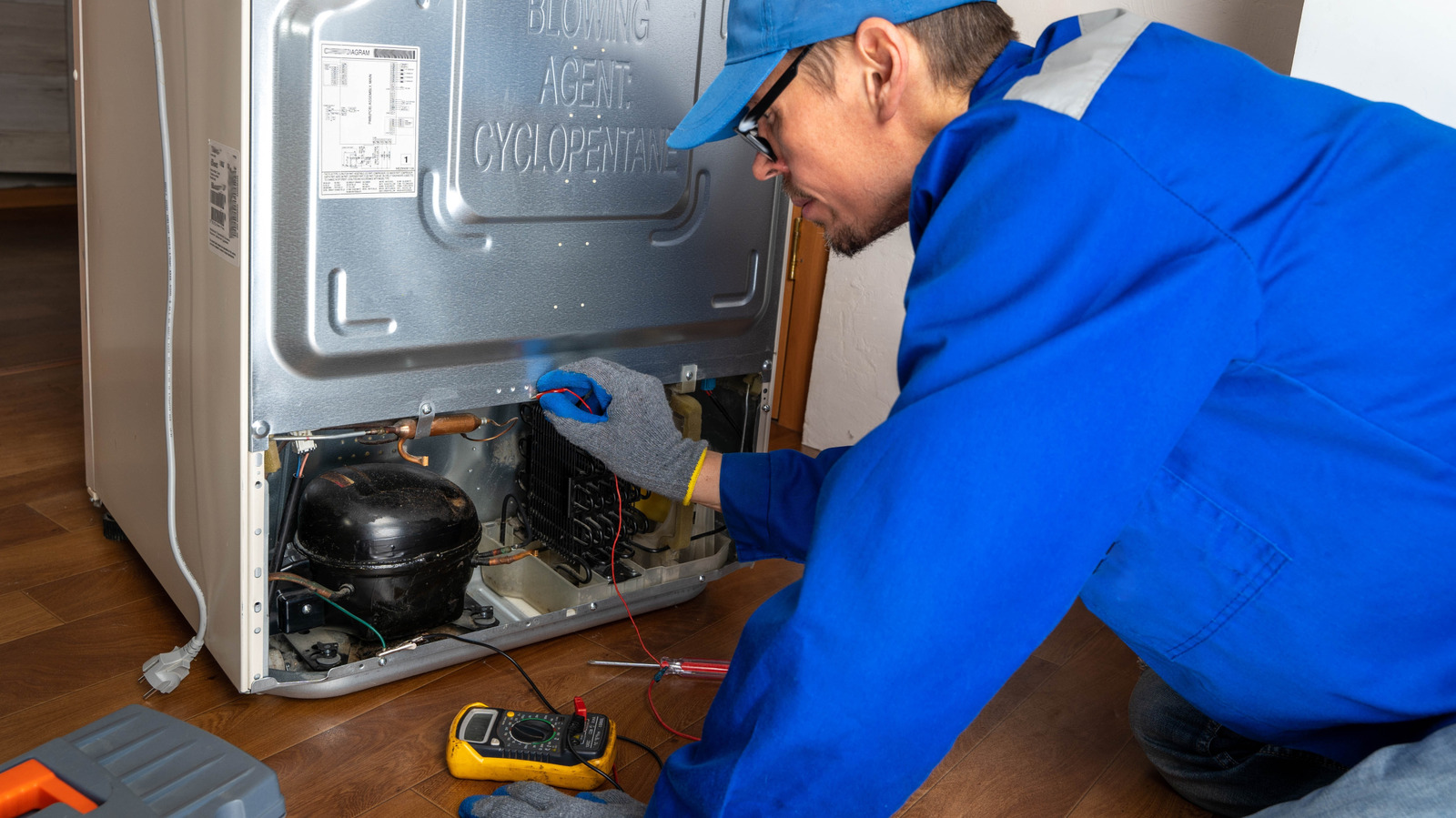
If you have an appliance that needs repair, there’s a simple rule you should be aware of. Here’s what it is, and what it means for the future of your fridge. This piece walks through why that rule matters, how it shapes what manufacturers decide next, and what you can expect from refrigerators in the years ahead.
The rule boils down to a single idea: who controls access to fixes controls the lifespan of the machine. When parts, manuals, or diagnostic tools are locked down, appliances become harder to repair and more likely to be replaced. That dynamic pushes costs up for families and feeds a cycle of faster turnover that benefits sellers more than owners.
On the flip side, when repair information and spare parts are available, appliances tend to live longer and perform better over time. Independent repair shops and handy homeowners can address small issues before they blow up into expensive failures. That means less waste, lower bills, and a calmer relationship with the things that keep our kitchens running.
Where the fridge comes in is interesting because modern refrigerators have become a battleground of hardware and software. Mechanical faults used to be the dominant problem, but now software locks, sensors, and proprietary control boards complicate simple fixes. A sealed software system can stop a fridge from working even when the compressor and coils are fine, turning an otherwise repairable unit into a write-off.
Manufacturers argue tighter controls protect safety and quality, and sometimes that’s true—there are cases where specialized training matters. But broad restrictions that block access to parts and information often do more harm than good. They create a landscape where consumers must either pay premium service fees or discard items prematurely.
The practical upshot is that your next fridge choice matters more than ever. Picking models built with straightforward mechanics, easily sourced components, and clear documentation reduces your future headaches. It also sends a market signal: if shoppers favor repair-friendly designs, makers will notice and adjust product strategy accordingly.
Policy and consumer pressure are already nudging the market. Advocacy for repairable products and clearer warranty rules has led some manufacturers to rethink parts availability and documentation. Whether those changes scale across the industry will shape the average lifespan of fridges and other appliances in the coming decade.
Meanwhile, small habits make a difference. Regular maintenance, quick attention to odd noises or small leaks, and choosing repairable brands can extend service life significantly. Those moves keep you out of the replacement cycle and reduce the environmental toll of more frequent appliance turnover.
Technological trends will keep complicating the picture, with smarter components offering real benefits but also new points of failure. The future fridge might be more efficient and connected, but if that intelligence is locked behind proprietary gates, owners lose the option of simple, affordable fixes. The more control stays in users’ hands, the better those innovations will serve homes rather than hinder them.
None of this is abstract: it affects monthly budgets, landfill totals, and how comfortable your kitchen feels five years from now. The core rule is straightforward: access equals longevity. When access is limited, replacement becomes the default; when access is open, repair becomes the norm and fridges stay out of the trash longer.
