
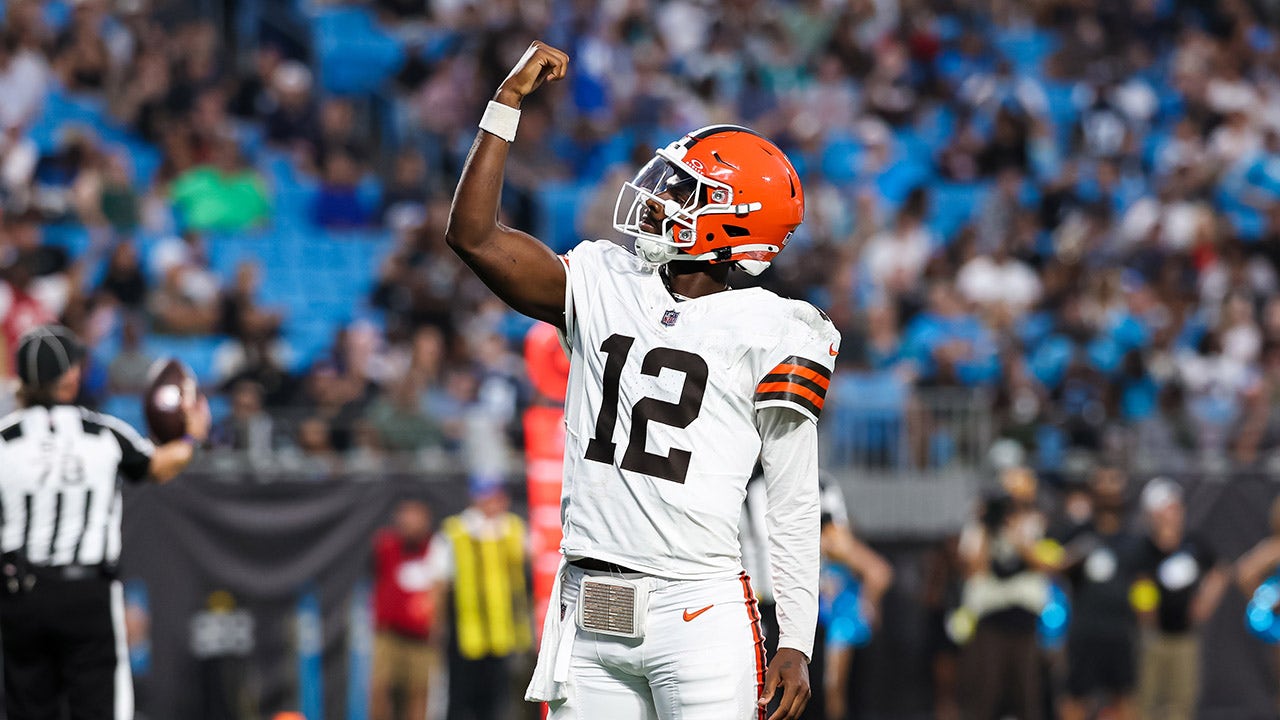
Shedeur Sanders, the new Cleveland Browns quarterback, generated a headline-grabbing $17.7 million from NFLPA group licensing income, setting a league record and overshadowing the previous high held by Tom Brady. That number reflects earnings tied to collective player licensing deals, like jersey sales and trading cards, and underscores how market buzz can translate into major revenue before a regular-season snap. The surge raises questions about modern fandom, the value of name recognition, and how teams and leagues capitalize on breakout stars.
The $17.7 million figure comes from the NFL Players Association’s group licensing pool, which aggregates money from partners who use player likenesses in products and media. Those payments are distributed based on formulas that reward players whose names and images generate the most demand. For a rookie to top the charts, especially by such a wide margin, is a sign that commercial momentum can be built well before a long pro resume exists.
Group licensing covers a range of revenue streams: official jersey sales, trading cards, digital collectibles, video game appearances, and other retail partnerships. When fans rush to buy a jersey or a collectible, those transactions feed into the pool that the NFLPA divvies up. The result is a financial snapshot that captures not just on-field performance but cultural impact and consumer interest.
Several forces pushed Sanders into this rarefied space. He arrived with high visibility from an acclaimed college career and a national spotlight that followed his move to the NFL. Social media reach, stadium moments, and a recognizable surname all accelerate merchandise demand. In short, marketplace curiosity and fandom can outpace tenure; attention converts fast into licensing dollars.
Putting the number next to Tom Brady’s previous mark highlights how the business of football has evolved. Brady built his earnings over a long, legendary career, but Sanders’ result shows how a concentrated burst of attention can rival decades of name recognition. It’s a reminder that modern media cycles and merchandising platforms can reshape value in compressed timeframes.
The Browns stand to benefit directly from the halo effect of a commercially hot quarterback. Team shops, local retailers, and digital storefronts see spikes when a player commands national notice, and that consumer activity filters back into the broader licensing pool. For franchises, the business side of the roster is now as visible as the Xs and Os, and that changes how front offices think about marketing and roster construction.
For Sanders himself, this windfall is an early indicator of commercial leverage. On-field production will still matter for long-term endorsement deals and contract negotiations, but group licensing dollars give immediate proof of marketability. Future seasons will tell whether this was a one-time peak driven by pre-season hype or the start of sustained celebrity-level earnings.
Watching the next moves matters: will jersey sales keep pace, will trading card runs sustain interest, and how will the NFLPA’s distribution evolve as more players enter the spotlight quickly? Those are the specific signals that will show whether $17.7 million was an outlier or a new normal for highly visible rookies. Either way, the league’s business reports now carry as much drama as the final scorelines.
