
This piece cuts through the hype around the so-called motor oil shortage, explains which oils are actually affected, why the panic is spreading, and how drivers can respond without fueling the problem themselves.
“America is running out of motor oil!” has become the kind of headline that gets shared before people read past the first sentence. The truth is messier: there are legitimate bottlenecks for some ultra-specific synthetic base oils, but that is not the same as a nationwide collapse of lubricant supplies. Most everyday oils remain on shelves, while a small slice of high-tech blends is experiencing tightness driven by production and shipping hiccups.
Spoiler alert: There is no nationwide motor oil collapse. What’s happening is concentrated and technical, centered on a handful of Group III base oils used in very low-viscosity synthetics. Those products matter to certain modern engines chasing efficiency targets, but they do not represent the full market for engine oil.
Shipping disruptions and refinery troubles, plus global instability in some regions, have narrowed the supply of these specialty components. Manufacturers and industry groups have responded with temporary flexibility in formulation approvals to keep cars running. That move shows the problem exists, but it also buys time while alternate blends and sourcing are arranged.
Older vehicles were often far more forgiving. Many could run multiple oil viscosities without major drama.
If your vehicle is a newer model engineered for ultra-thin lubricants, expect fewer promos, occasional higher prices, and the occasional temporary gap on a specific SKU. Owners of everyday cars and trucks that take common viscosities like 5W-30 or 10W-30 are unlikely to notice much more than a normal price wobble. The crunch is real for a minority of products, not a nationwide emergency that renders cars undrivable.
That nuance is easy to lose in headlines and feeds, because nuance does not generate clicks the way alarms do. Social posts and fast-talking coverage have lumped everything together under the word shortage, which triggers a classic consumer response: buy now, panic later. When people hoard, supply chains built for steady demand suddenly look empty and fragile.
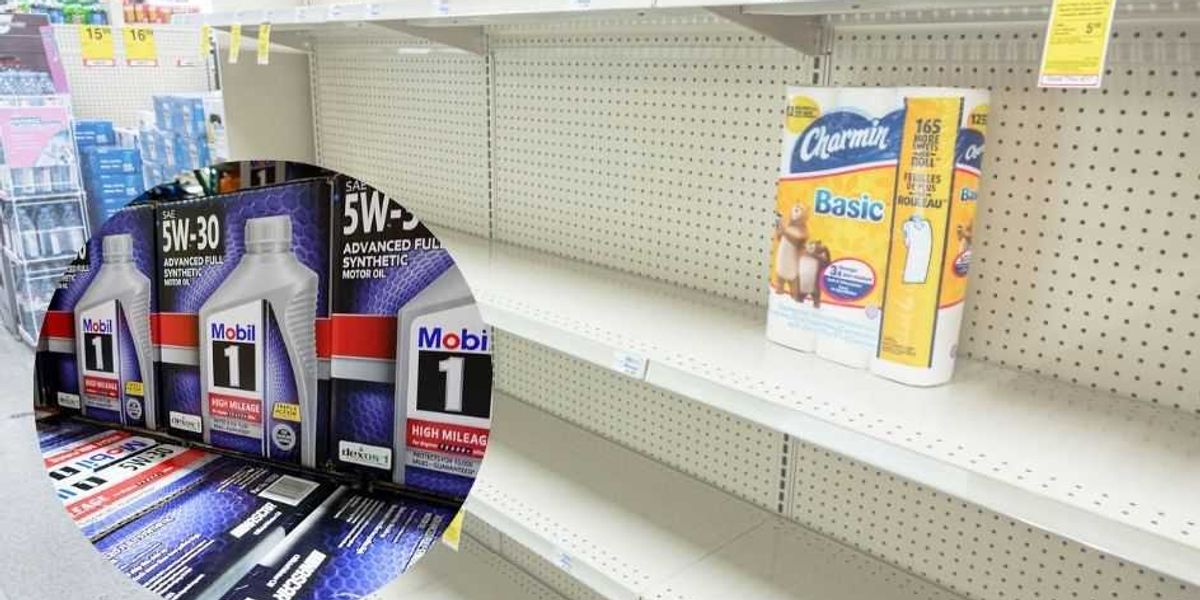
We saw this playbook with toilet paper in 2020, when hoarding and fear outpaced the system’s ability to respond, not the system’s ability to produce. The same psychology is at work here: a limited industrial problem turns into a retail scramble because consumers react emotionally. That reaction can turn a manageable supply hiccup into a real inconvenience.
Some distributors and repair shops are already stockpiling certain synthetics in anticipation of price increases, and retailers sometimes preemptively raise prices when they expect scarcity. Those behaviors can create feedback loops that make the situation worse for everyday car owners. Thoughtful buying and restraint from panic purchases would help stabilize local inventories.
There’s also a structural reason this happened: modern engines are tuned tightly to hit fuel economy and emissions rules, so they rely on very specific lubricants to minimize internal friction. That engineering choice improved test numbers and mileage figures but made a portion of the fleet dependent on narrow supply chains. Older cars with broader viscosity tolerances avoid that vulnerability.
If your car requires a specialized OEM-approved synthetic, keeping one extra oil change’s worth on hand is sensible. Buying a lifetime of oil because someone claimed “the shelves are going empty” on social media is precisely the behavior that produces artificial shortages. Rational, measured responses keep supply flowing and prevent opportunistic price spikes.
The bigger takeaway is about how quickly fear can be monetized and how easily conversation turns into consumption. A calm approach, checking owner manuals, and talking to trusted service shops will get most people through this without drama. And for the small share of owners affected by genuine specialty shortages, short-term planning and patience are the practical answers.
