
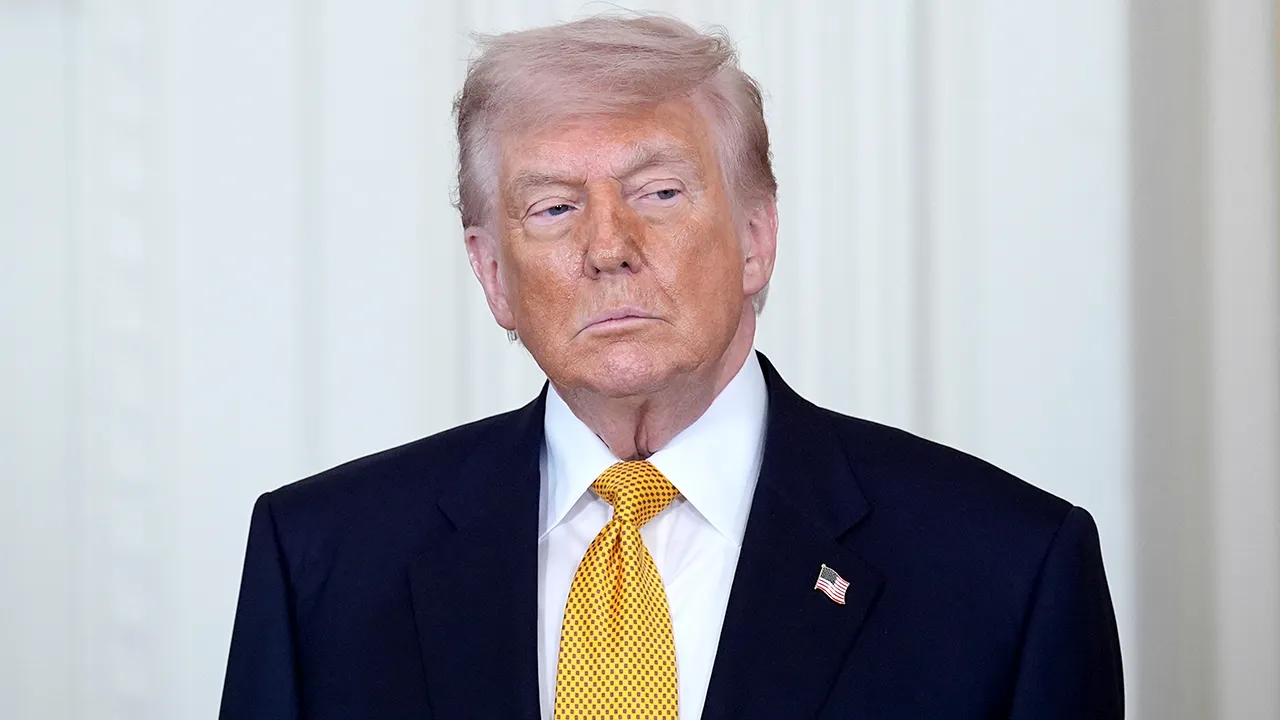
This piece takes a clear look at one claim from President Donald Trump — “I don’t care about the midterms.” — and shows why that sounds false when you watch what he actually does, from targeting Republicans he dislikes to running roughshod over opponents and shaping redistricting fights. It traces specific attacks, awkward campaign moments from his rivals, and how the White House’s priorities feed into the political theater around the elections. The tone here is plain and direct, arguing that the claim is posture, not policy.
When Trump says “I don’t care about the midterms.” it reads like a stunt. Smart politicians use bravado to shift blame, but actions tell the real story. If you look at who he targets and where he spends time, you see an active campaign architect, not an indifferent bystander.
He has gone after Republican officeholders he considers disloyal, pouring energy and endorsements into primary fights. That includes efforts to unseat people like Thomas Massie and Bill Cassidy and to elevate allies such as Ken Paxton over established figures like John Cornyn. Those moves shape who shows up on the ballot and who controls the party’s message.
Trump’s influence also shows up in the redistricting battles that decide House majorities for a decade. Picking favorable maps is hardly a sign of apathy. It’s a long game, and anyone who thinks the president is detached from the stakes hasn’t been paying attention.
He’s eager to define opponents with sharp, often mocking language, the kind that sets the tone for how voters remember a campaign rival. Calling James Talarico “A strong Open Borders advocate, he is WEAK ON CRIME, believes there are 6 genders, is insulting to Jesus Christ, will never support the Military…a Vegan who dislikes meat…” is mean, blunt, and very calculated. That kind of messaging is about winning narratives, not philosophical detachment.
Talarico’s own miscues made him an easy target; admitting to ordering vegan meals for a campaign invited quick ridicule. Under questioning he tried to reframe provocative lines like “God is non-binary,” explaining he meant “God can’t be defined by human categories.” But the damage was done: political opponents clip awkward soundbites and run them endlessly.
When candidates backpedal, it rarely saves them. Talarico’s defensive line — “There are some statements that I’ve made that I certainly regret. There are statements that I’ve made where I’ve missed the mark. I’ll be the first to admit that. But Ken Paxton is intentionally clipping my cringey comments to distract from his career of corruption.” — shows the playbook. The argument is familiar: attack the clipper, not the clip. It rarely works when voters already have a framed image.
At the same time, some media outlets pivot hard when it suits them, giving free passes and then sudden condemnation depending on the moment. Paxton’s legal troubles and personal scandals didn’t stop certain outlets from treating him as a GOP standard-bearer until a narrative shift occurred. That selective outrage doesn’t mean the president is indifferent; it means he’s playing by a different, harsher set of rules.
Two recent confessions underline how messy modern politics looks. Newt Gingrich called the Clinton impeachment a “mistake” in retrospect, and Jill Biden admitted of her husband’s debate that “I thought ‘Oh my God, he’s having a stroke.’ And it scared me to death.” Those admissions feed voter cynicism, but they don’t explain away the hands-on approach some politicians take to securing power.
The bottom line is straightforward: posture and rhetoric can claim indifference, but the moves on the chessboard say otherwise. From endorsements and map fights to ruthless messaging and courtroom distractions, the evidence points to deep involvement. If you want to know whether a leader cares about midterms, watch the strategy, not the headlines.
