
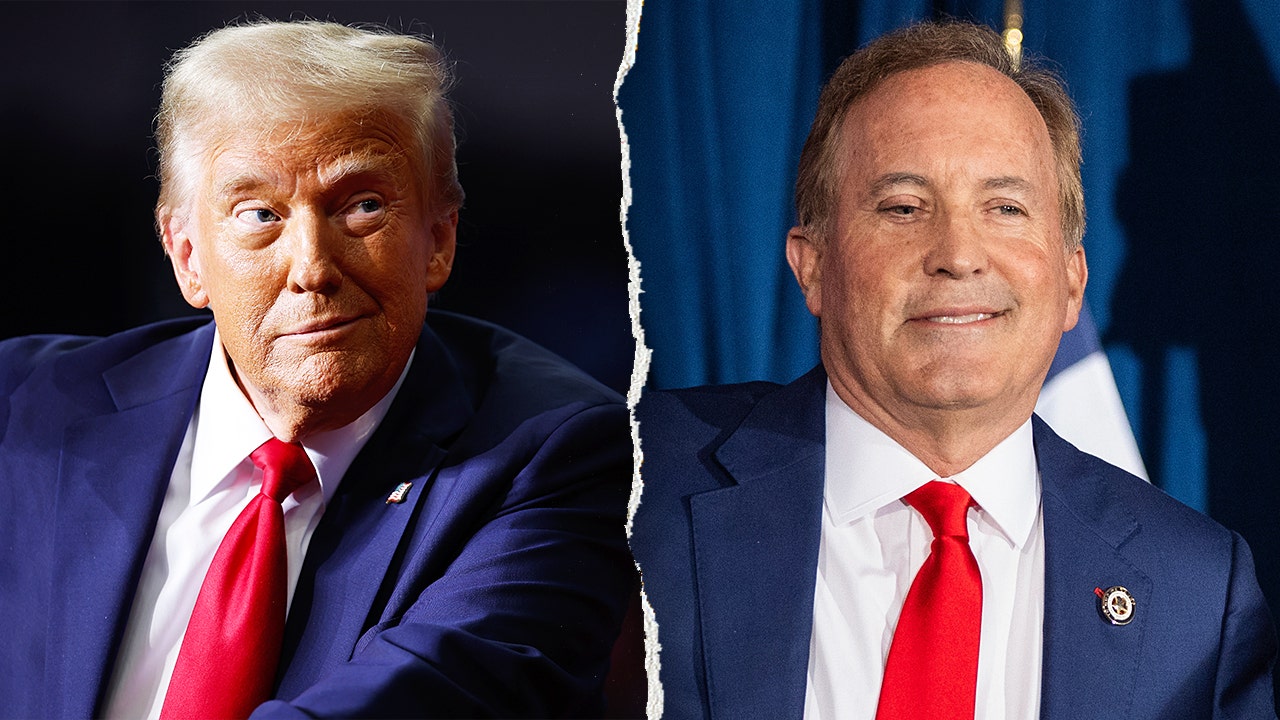
Ken Paxton’s victory over John Cornyn in the Texas GOP runoff reshapes the fall Senate map and hands Republican voters a clear choice. With President Trump’s late endorsement tilting the primary, Paxton now faces Democrat James Talarico in a race that will demand serious fundraising and full party unity. The stakes go beyond Texas: holding the Senate majority matters for the next two years of the presidency and for blocking a hard-left agenda. This piece lays out why Republicans should coalesce quickly and what’s at risk if they don’t.
Trump’s endorsement was decisive in the runoff, and in today’s GOP that kind of backing often ends the contest. Paxton’s win proves the point: when the former president backs a candidate, it moves voters and momentum. That reality doesn’t erase the hard work ahead, but it does explain how the nomination was settled.
Talarico is organizing resources and attention from national Democrats, and President Trump nicely summed him up as “weird.” Paxton will face a well-funded opponent who can drive turnout in urban and suburban districts, so this is no guaranteed victory. The campaign will be a test of messaging, fundraising and turnout on both sides.
Paxton will need to pull together the party quickly, and that means appealing to voters who supported Cornyn in the runoff. Conservatives respect Cornyn for his constitutional work and decades on the Judiciary Committee, and his supporters matter to victory in November. Party unity isn’t sentimental; it’s tactical and absolutely necessary if Republicans want to keep this seat.
“It is not becoming in any Minister to decry party who has risen by party,” Disraeli declared long ago. “We should always remember that if we were not partisans, we should not be Ministers.” Those lines apply to elected Republicans today: loyalty to the party after a fair primary contest is how you win general elections and preserve the majority.
Nationally, Republicans are defending several vulnerable seats that Democrats will throw money and talent at this year. Seats in Maine, Ohio, North Carolina, Georgia and a cluster of Midwestern and New England states are in play, and Democrats will target each with coordinated spending. That pressure makes every GOP pickup or hold essential to prevent a shift in control.
MAGA TRIUMPH: TRUMP ALLY KEN PAXTON DEFEATS JOHN CORNYN IN BITTER TEXAS GOP PRIMARY WAR
North Carolina’s open contest and Georgia’s fragile Democratic incumbency show how varied this map is. Michigan, Minnesota and New Hampshire also demand strong Republican nominees who can win swing-state voters. The party can’t afford to indulge grievances when the alternative is losing control of the Senate and ceding committee chairs to Democrats.
10 SENATE RACES THAT COULD DECIDE CONTROL OF THE CHAMBER IN THE 2026 MIDTERMS
The stakes for the president are real. President Trump’s record is often reduced to a few defining lines, and Republicans point to his Supreme Court nominees and his political comebacks as major achievements. Keeping the Senate majority protects judges, blocks punitive legislation, and keeps the focus on governing rather than endless investigations.
If Democrats seize the Senate, the coming two years will be consumed by investigations, impeachment theater and legal show trials aimed at crippling the presidency. Those moves may not remove a president, but they can sap time and energy and destroy the chance for meaningful legislative wins. Republicans must see that holding the Senate is both defensive and proactive.
So here is the practical pitch: Republicans should set aside intra-party bitterness, mobilize donors and voters, and recruit strong nominees where needed. The focus should be on turnout, message discipline and defending incumbents while helping Paxton shore up support in Texas. The alternative is giving Democrats a path to control that could reshape the next Congress.
