
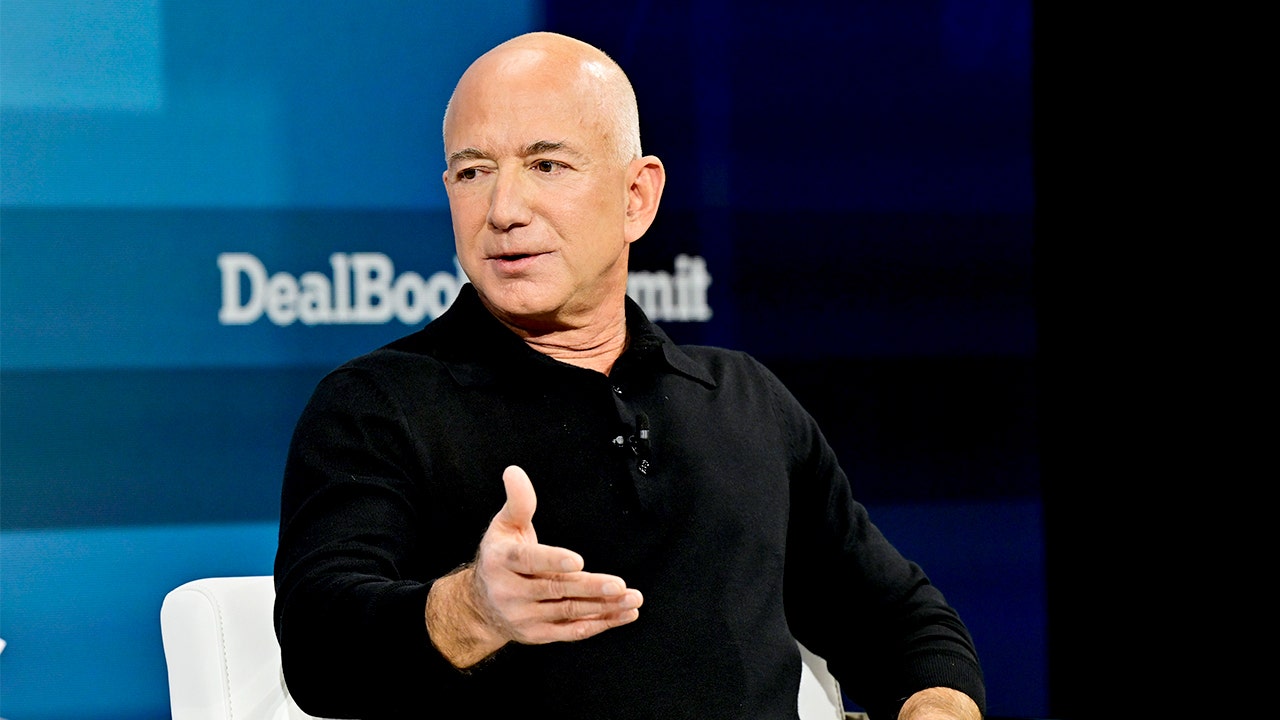
Jeff Bezos floated a stark idea: wipe federal income taxes off the books for the bottom half of earners, and the country erupted. That thought touches raw nerves about fairness, work incentives, and who actually pays for government. This piece walks through the political fallout, the math of debt, and why the real fight should be about spending and preserving American prosperity.
When Bezos suggested the bottom 50 percent should pay nothing in federal income taxes, a simple question rippled across dinner tables: “Honestly … why am I paying taxes at all?” That reaction matters because people who work feel squeezed and invisible. They see big headlines about billionaires and wonder whether the rules still reward effort.
Part of the issue is arithmetic. The bottom half of earners contributes a tiny slice of federal income taxes, and after credits and deductions many already pay very little. If policymakers make that official, someone has to pick up the tab. The choices are obvious: wealthier taxpayers send more cash, spending gets slashed, or the government borrows even more.
Borrowing more is Washington’s favorite move because cutting spending is political poison. Politicians buy votes with programs, and trimming them triggers howls from every interest group. That pattern leaves debt rising unchecked and interest costs climbing, which eats into priorities like defense and basic services over time.
Let’s be crystal clear: shifting the tax burden onto higher earners can work for a time, but it’s not a sustainable long-term plan. High earners can shelter income, shift residency, or scale back economic activity if rates climb too far. The conversation has to include spending discipline, not just new ways to extract money from success.
The policy debate is also nudging a deeper shift: taxing consumption instead of income. National sales taxes, VAT ideas, and luxury levies are getting attention because automation and globalization make taxing wages harder. If labor shrinks as a share of the economy, taxing what people buy becomes politically easier and more resilient.
But moving toward consumption taxes raises a clear trade-off. Do Americans want Scandinavian-level benefits and taxes, or the American blend of lower taxes and broader personal freedom? The answer matters because the math always shows up eventually. You can promise generous programs, but someone must write the check.
There’s also a moral argument here Republicans should lean into: fairness for work. When the system appears to reward unproductive behavior or punish success, trust collapses. Ideas that restore incentives — making labor pay again and simplifying the code — deserve serious attention alongside any tax-relief proposals.
Bezos’ remark is useful because it forces a basic question: who funds the country we want in the next 250 years? That’s not a fight about billionaires alone. It’s about whether America chooses hard-earned prosperity or ever-growing dependency funded by debt.
So let’s have honest choices on the table: cut spending, accept heavier taxation on the wealthy, or borrow our way forward. The smart play is a mix — simplify taxes to reward work, protect essential services, and lock in spending reforms so future generations aren’t buried by interest payments. That’s a conservative recipe for keeping the American dream alive without pretending the numbers will fix themselves.
