
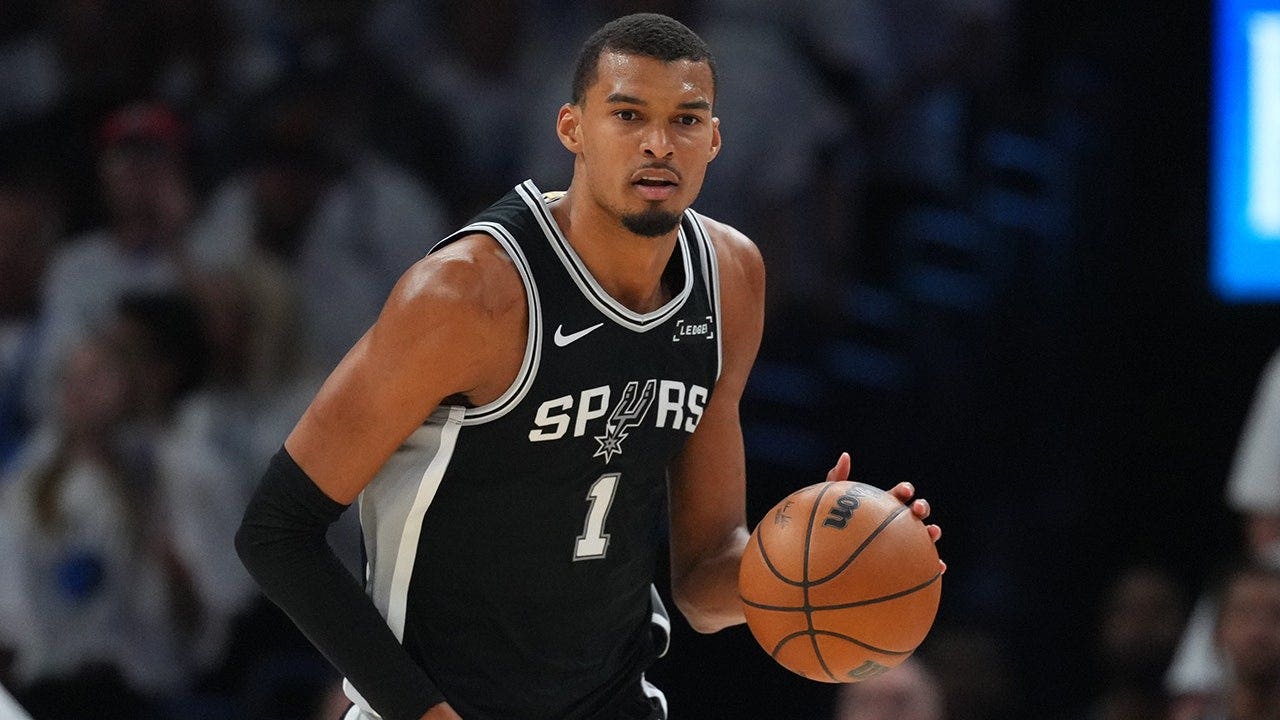
Victor Wembanyama avoided the postgame scrum after the Spurs’ Game 5 loss to the Thunder, a rough night that ended with him shooting 4-of-15 and San Antonio dropping a 127-114 contest. The silence from the rookie star felt as loud as the final buzzer, and the fallout is already shaping the conversation about his playoff readiness and how the Spurs respond next.
The image of Wembanyama walking past reporters without stopping stuck with viewers. It wasn’t just a bad shooting night; it was a moment that highlighted the stress and scrutiny a youngster faces in the postseason. Fans and analysts will dig through the tape, but the immediate scene was simple: a player who struggled on offense and chose to step back from the spotlight afterward.
Shooting 4-of-15 is a stat line that raises questions about rhythm, shot selection, and how the defense keyed on him. Oklahoma City attacked him on switches, crowded the paint, and forced contested looks. Those numbers don’t tell the whole story—he still altered shots and played passing lanes—but they do underline the need for adjustments when opponents send different looks at playoff speed.
There’s also the team dimension: basketball isn’t one-man theater, and a single off night can expose broader issues. The Spurs had moments where possessions stalled and rotations lagged, and when a primary option is off, others have to step into different roles. That push-and-pull between supporting the rookie and expecting him to carry more is a tension the Spurs must manage carefully.
Mental approach matters as much as mechanics. Playoff intensity compresses decision-making windows, and that pressure can manifest as rushed shots or hesitation. Wembanyama’s size and skill set give him a unique toolkit, but those tools need calm hands in crunch moments. How he handles this silence now—whether he studies the film, works on pacing, or leans on veterans—will shape the narrative moving forward.
Defensively, he still offers clear upside. Blocks, rebounds, and switchability kept San Antonio afloat at times, showing why he remains a transformational piece. The challenge is turning those defensive advantages into easier offensive opportunities through movement, spacing, and smarter touches. If the Spurs can manufacture higher-percentage chances for him, the scoring slump becomes less consequential.
Coaching adjustments will matter, too. Schemes that free him for catch-and-shoot chances or create mismatches in the post could help rebuild his confidence. At the same time, teammates must accept different looks and be ready to hunt for offense when he’s doubled. Playoff series are chess matches; small strategic tweaks can swing possession outcomes and momentum.
For the fan base, reactions will range from concern to patience. Young stars often endure public pressure early in their careers, and responses vary wildly. The best path forward is practical: analyze the mistakes, prioritize recovery and preparation, and treat this as a learning episode rather than a defining setback.
The larger takeaway is that young talent grows through friction. A tough Game 5, public silence, and a 4-of-15 performance are raw pieces of a longer story. How Wembanyama and the Spurs respond in the next game will reveal more than the numbers alone can show, and everyone watching will be waiting to see whether silence turns into determined focus or longer-term unease.
