
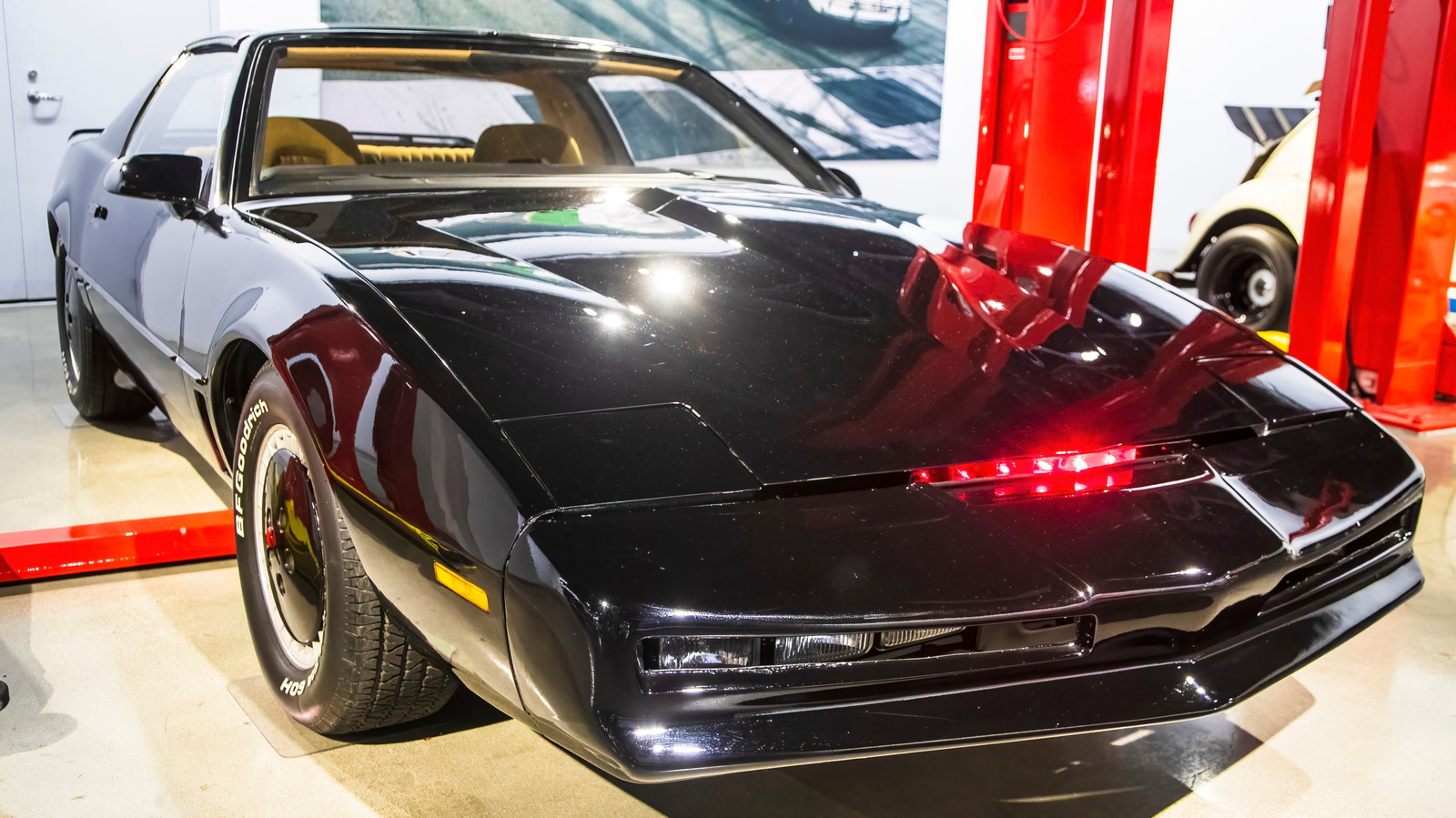
You heard it right: a Pontiac Trans Am parked behind glass inside a museum still managed to pick up a speeding ticket for zipping through a school zone. The claim sounds ridiculous, but it underlines how modern traffic enforcement can misfire in ways that leave car owners baffled and museums scrambling.
The scene is simple: an iconic muscle car on display, stationary and safe, yet the city’s automated enforcement system recorded a violation tied to that vehicle. Cameras and license plate readers do their job without context, and that can mean innocent cars end up in the wrong place at the wrong time on paper. When the machine says speeding, somebody somewhere gets a ticket, even if the car never moved.
Museum staff and the car’s owner were stunned when the citation arrived. They had documentary proof the vehicle was behind glass, on exhibit hours before and after the alleged offense. That sort of evidence usually leads to a quick reversal, but the process is often clumsy and bureaucratic, requiring phone calls, paperwork, and patience few people have.
This isn’t just about a single Trans Am and one lonely citation; it exposes a broader mismatch between automated enforcement and real-world context. Machines can’t see through glass, read exhibit signs, or check admission logs. When enforcement systems operate on blind plate reads without human review, errors are inevitable and can waste time and goodwill.
How do these mistakes happen? Often it’s a mix of misread plates, timing glitches, or licensing databases that don’t sync quickly. A car moved days earlier might still appear linked to a different owner, or a plate on a replica or static display triggers the same algorithm as a moving vehicle. Simple tech issues cascade into real penalties for people who did nothing wrong.
The practical fallout is obvious: the museum must prove its case and the owner needs to clear their record. That means assembling photos, receipts, and witness statements, then navigating whatever appeals portal the city provides. In many cases the ticket is dismissed after review, but not before it creates stress and eats up time for everyone involved.
There’s also a reputational angle for museums and collectors. No one wants a headline that suggests negligence just because automated systems misinterpret a display. Museums invest in curating history, not defending artifacts against mistaken traffic citations, yet they now must be prepared to document exhibits more thoroughly when public plate-reading enforcement is in force.
Fixing this problem requires smarter policy and smarter systems. Cities should include human review for edge cases flagged by cameras and allow museums to register static displays as non-operational vehicles. Better integration between local authorities and cultural institutions could prevent unnecessary tickets and reduce administrative overhead.
Until those changes happen, owners and museums can take preventive steps. Keep clear, timestamped photos and logs of display hours, and know the appeals process before a problem arises. If you’re managing a display vehicle, register it with local authorities if possible so it won’t be mistaken for an on-the-road vehicle.
The takeaway is straightforward: automated enforcement is useful, but imperfect. When machines are given the final say without context, odd and avoidable outcomes pop up — like a Trans Am getting a school-zone ticket while sitting safely inside a museum. It’s a reminder to balance technology with common sense and a bit of human oversight.
