
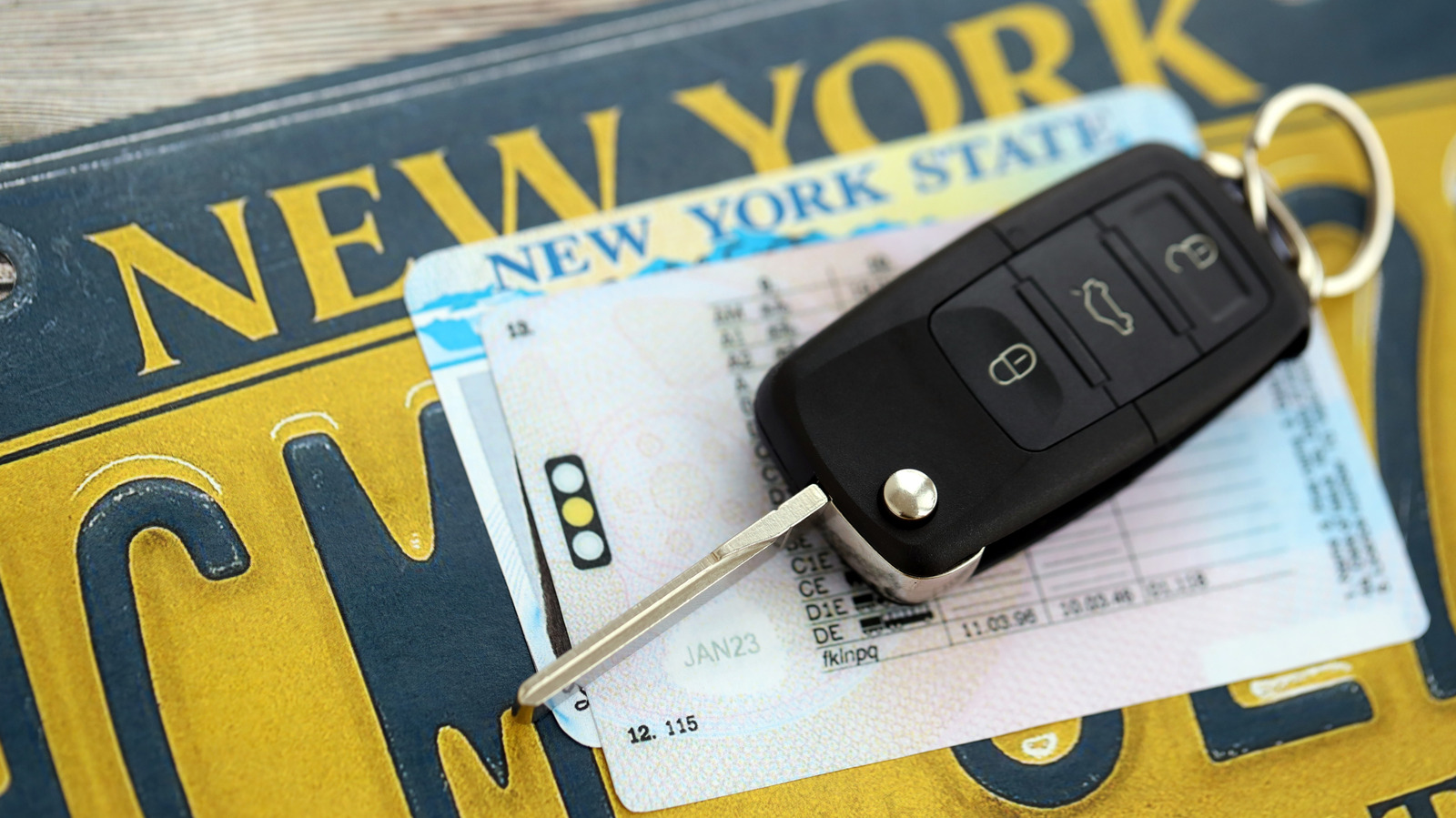
Authorities have broken up a lengthy scam involving counterfeit license plates, arresting several people tied to a scheme that ran for nearly a decade; this article explains the mechanics, the players, the scope, and the fallout from those arrests.
The scam operated quietly by exploiting gaps in plate production and vehicle registration systems. Criminals manufactured realistic-looking license plates and sold or swapped them to drivers who wanted to dodge fines, tolls, or detection. That basic tactic let the operation persist because it was profitable and low-risk for a long time.
At the center were a mix of small workshops and middlemen who handled distribution. Some makers produced plates to order, matching state fonts and reflective sheens so the fakes passed casual inspection. Distributors then pushed those plates through informal networks, sometimes bundling them with doctored registration paperwork or identity paperwork to make them seem legit.
Customers ranged from people seeking anonymity to repeat offenders avoiding fines and law enforcement. In some cases plates were swapped among multiple vehicles to confuse investigators and stretch the usefulness of a single fake plate. That recycling made tracking patterns harder and increased the scheme’s longevity.
Investigators pieced together the operation using a mix of surveillance, informants, and cross-referencing registration anomalies. They found clusters of vehicles using identical patterns of plates and saw suspicious spikes in plate orders tied to a few addresses. Those links pointed to workshops and intermediaries that ultimately led to arrests.
The arrests hit different roles within the network: producers, sellers, and a handful of repeat customers caught on camera or flagged by automated toll and camera systems. Charges typically include forgery, fraud, and possession of counterfeit items, and prosecutors are pushing penalties meant to deter similar rings. Sentencing in these cases can range from fines and restitution to prison time, depending on the scale and prior records.
The scheme also exposed weaknesses in how plates and registrations are issued and monitored. Some states rely on decal systems or paper notices that are easy to forge, and rushed DMV operations sometimes let paperwork slip through without deep verification. Technology upgrades like more secure plate materials, better database cross-checks, and enhanced camera analytics are now being discussed as fixes.
For everyday drivers, the takeaway is to steer clear of shortcuts that look tempting online or through word-of-mouth. Buying or using fake plates carries serious legal risks and can make you liable for crimes committed by others using the same plate. If you suspect someone is selling or swapping plates, report it to local law enforcement so they can shut down the pipeline before more people get tangled up.
This bust serves as a reminder that sustained criminal activity often relies on simple vulnerabilities and social trust, and that breaking a long-running racket requires both paperwork audits and boots-on-the-ground policing. The arrests will likely ripple through related markets and make it harder for counterfeit plate sellers to operate openly, at least for now. Expect continued investigations as authorities follow financial trails and trace how far the network reached over nearly ten years.
