
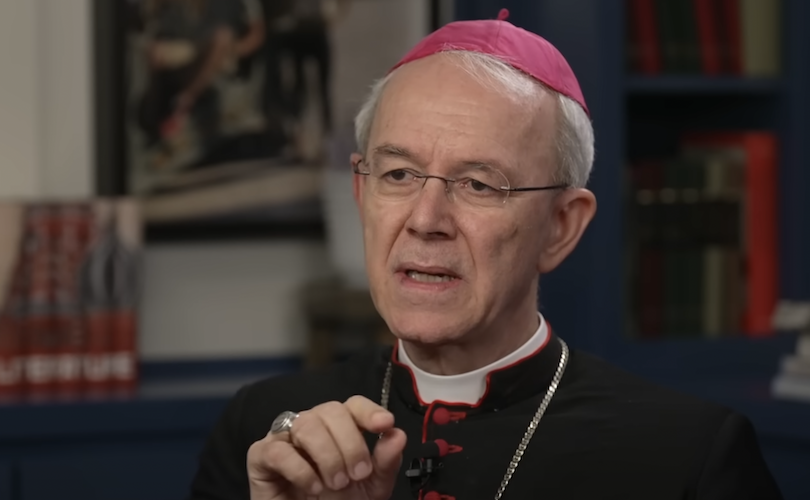
An urgent appeal backed by Bishop Athanasius Schneider asks Pope Leo XIV to endorse July 1 consecrations proposed by the Society of St. Pius X, arguing that papal support could prevent a hardening of divisions within the Church and a practical separation between faithful Catholics. The petition frames the moment as pivotal, pressing for leadership that favors communion and pastoral care rather than further estrangement. It presents the consecrations as both a spiritual act and a test of the Vatican’s ability to shepherd diverse currents in Catholic life. The tone is urgent but measured, insisting that the pope’s stance will shape unity in the months ahead.
The appeal is centered on a narrowly defined concern: some Catholics fear growing division if the consecrations go unsupported. Advocates stress that the move is not merely about ritual or recognition but about real pastoral consequences for communities tied to traditional liturgy and doctrine. That fear of fragmentation fuels the urgency, with backers hoping a clear papal signal will calm tensions. The language of the petition leans heavily on continuity and reconciliation as guiding principles.
Bishop Schneider’s endorsement gives the request a high-profile ecclesial voice, and his backing adds weight to the claim that the issue is about the Church’s internal cohesion. Observers note that a bishop’s support can influence both laity and other clergy who worry about schism or informal breakaways. For many, Schneider’s participation signals that traditionalist concerns are not fringe anxieties but matters deserving serious attention. His stance invites the Holy See to respond in a way that prioritizes unity over punitive measures.
Those promoting the consecrations argue they are a legitimate means of preserving a particular spiritual heritage while remaining within the Church’s fold. Supporters say the Society of St. Pius X seeks recognition without trying to start a separate ecclesial structure, and that formal acknowledgment would help regularize pastoral care for faithful communities. Opponents counter that unauthorized consecrations risk undermining canonical order and could encourage parallel jurisdictions. The debate, then, is framed as a clash between pastoral necessity and canonical propriety.
The petition includes the line that Pope Leo “may do much to avert a hardening of divisions in the Church and a practical separation of good and faithful Catholics” should he back the July 1 consecrations, and that sentence is being cited widely by proponents. That exact phrase captures the emotional core of the appeal: a plea for the pope to act as a bridge-builder rather than a breaker of fragile ties. It signals that the document’s authors see ecclesial harmony as fragile and subject to swift change depending on one leadership decision. Critics worry this framing oversimplifies complex theological and legal issues.
Practical consequences are at the heart of the conversation. If the consecrations proceed with papal support, communities currently in irregular status could receive clearer pastoral pathways, sacramental access, and the reassurance of belonging to the wider Church. Conversely, a refusal or rebuke might harden attitudes and push some groups toward de facto separation. Bishops and Vatican officials who follow the story must weigh doctrinal safeguards against the pastoral costs of alienation.
Public reaction inside Catholic circles has been varied, mixing cautious optimism, staunch opposition, and a desire for careful dialogue. Many ordinary parishioners want simple answers: will their priests be able to minister without fear, and will their sacraments be clearly recognized? Others worry that hasty accommodation could set precedents that complicate future governance. The petition aims to steer that public conversation toward reconciliation rather than confrontation.
The next steps depend on how the pope and his advisors evaluate both the canonical ramifications and the pastoral needs of the faithful. Supporters of the appeal see a narrow window for a decision that could prevent deeper rifts, while skeptics urge a more measured approach that safeguards ecclesial order. Either way, the appeal has thrust the question of unity versus separation into the spotlight, forcing a churchwide reckoning over how to keep diverse traditions thriving under a single roof.

1 Comment
I agree with Bishop Schneider! Vatican II period opened on October 11, 1962, and concluded on December 8, 1965! That is a long time to have allowed the rift and bastardization of the Traditions and Heart of the Church which has caused now almost countless issue and real problems for the faithful! It’s now time to rectify the damage done and this Pope must step-up and do the absolute right thing or he will allow and further push the Church to the coming “Globalist Disaster” that is now right on the horizon! Antichrist rising!
I focus on this astute point; “The petition includes the line that Pope Leo “may do much to avert a hardening of divisions in the Church and a practical separation of good and faithful Catholics” should he back the July 1 consecrations, and that sentence is being cited widely by proponents. That exact phrase captures the emotional core of the appeal: a plea for the pope to act as a bridge-builder rather than a breaker of fragile ties.”
Here I add again quoting: “Schneider’s participation signals that traditionalist concerns are not fringe anxieties but matters deserving serious attention. His stance invites the Holy See to respond in a way that prioritizes unity over punitive measures.”
I say, let’s get real, there have been and are Freemasons and even worse actors in the Holy See!
The Vatican has been deeply infiltrated and it is now I believe make or break time sadly!